

The Most Stylish Part of Sourcing Is Often the Least Photographed: Why an Export Operations Team Matters in Home Decor
There is a glamorous version of the home decor business, and then there is the real one.
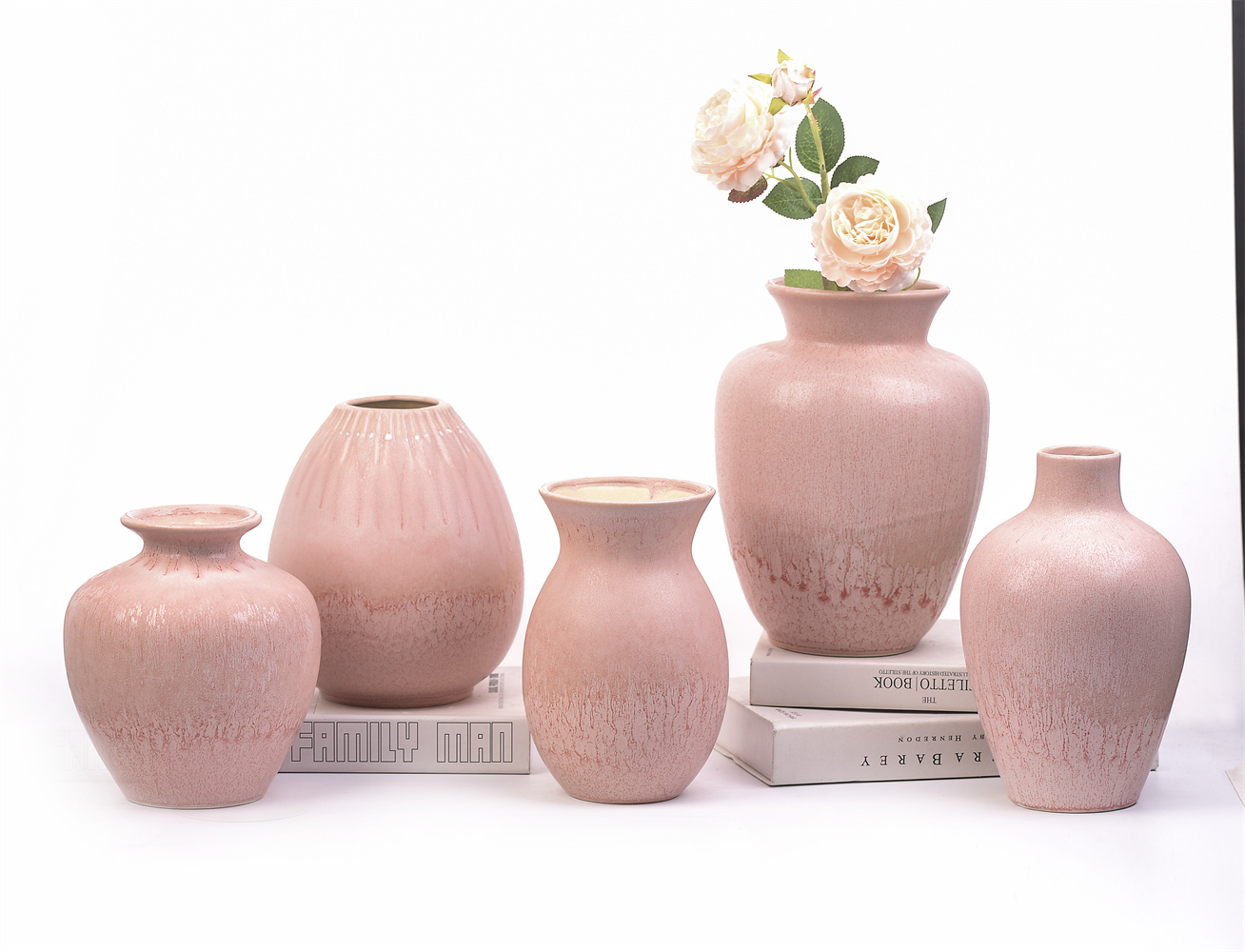
The glamorous version is the modern ceramic vase on the beautifully lit console. The real version is whether that vase arrives in the right color, in the right carton, with the right paperwork, on the right timeline, and still looks like the sample everyone approved three weeks ago.
That is why a strong export operations team home decor story matters so much. For U.S. buyers and designers, it is not just about whether a factory can make something beautiful. It is about whether that beauty can survive production, export, freight, receiving, merchandising, and reordering without becoming a tiny operational tragedy. Right now, that matters even more because North American design is moving toward homes that feel more personal, more expressive, and more connected room to room. ASID’s 2025 Trends Outlook preview highlights well-being, sustainability, inclusivity, joy, personal narratives, and authenticity, while NKBA’s 2026 research points to whole-home continuity, personalized expression, organic aesthetics, and material sophistication.
Good Taste Is Lovely. Operational Calm Is Better.
A factory can make a vase. An export operations team makes the program work.
That is the difference. A real service-minded partner does not only manage production. It helps coordinate samples, schedules, packaging details, export documentation, QC timing, and the many little handoffs that decide whether a collection feels easy or exhausting. For a buyer sourcing American home ceramic vases, that kind of support matters as much as the glaze. For a retailer testing American home trends vases, it can be the difference between a confident reorder and a category that quietly dies of paperwork fatigue.
This is also where Teruierdecor has a strong angle. The service story should not be “we have a factory.” Plenty of companies have that. The stronger story is “we have the kind of export operations team that helps turn design ideas into sellable, shippable collections.” That feels much closer to what buyers actually need.
North America Is Asking for More Feeling, But Also More Coordination
The market mood is not cold minimalism for minimalism’s sake. It is warmth, individuality, and rooms that feel composed rather than random. High Point Market’s Spring 2026 programming reflects that shift. Its Style Spotters program is built around identifying “newest products and moment-defining trends” across 11.5 million square feet of showroom space, and the spring market runs April 25–29, 2026. High Point also announced its first-ever keynote focused specifically on residential kitchen design, a useful signal that the industry is thinking in whole-home terms rather than isolated product categories.
There is a technology layer to this too. High Point’s spring schedule also includes a session on “Digitizing the Interior Design Industry,” centered on LiDAR space scanning, augmented reality, AI-powered tools, and integrated shopping workflows. That is telling. Buyers are not only shopping for style; they are increasingly working inside faster, more digital decision systems. So when a factory says it has an in-house design team home decor service, buyers increasingly expect that team to work in a more collaborative, responsive, and commercially aware way.
TikTok is pushing that same speed from the consumer side. TikTok’s 2025 trend report says “the comment section is the new focus group,” and highlights how brands use live audience feedback to refine products and creative direction. For home decor, that means trend signals reach factories and retailers faster than they used to. It is one more reason an export operations team has to do more than move cartons; it has to help the business respond to taste while it is still commercially relevant.
Why This Matters for the Products Buyers Actually Order
Take wholesale gifts from China. That category sounds simple until you realize how many things can go wrong: color drift, sizing inconsistency, weak giftability, poor carton logic, or a product that feels charming in a showroom and oddly flat on a retail shelf.
The same goes for Santa Fe style pottery wholesale or a warm-toned, textural vase collection aimed at U.S. regional tastes. The product itself matters, of course. But the operational choreography matters too: finish consistency, timeline management, label accuracy, sample revisions, and whether the factory can extend one strong idea into a wider assortment without losing the thread.
That is why the best factory-service story is not “we make things.”
It is “we help good ideas travel well.”
FAQ: What Serious Buyers Ask a Ceramic Factory
What does an export operations team actually do in home decor?
A real export operations team usually coordinates production timelines, export paperwork, packing details, inspection timing, shipment readiness, and communication between design, factory, and buyer. In practice, that means fewer avoidable surprises between sample approval and delivery.
Why does this matter so much for ceramic products?
Because ceramics are unforgiving in all the most inconvenient ways. Glaze variation, breakage risk, color consistency, and carton protection all matter. A stylish vase is only useful if it arrives intact and still looks like the approved piece.
What should I ask before ordering ceramic decor?
Ask for dimensions, finish notes, packing details, MOQ, lead time, intended use, and tolerance expectations. If the product could touch food or drink, ask about testing and compliance immediately. The FDA states that imported and domestic ceramic ware has been found to contain extractable cadmium, and its guidance for ceramic foodwares references lead-leaching limits and ASTM test methods for food-contact surfaces. Decorative ceramic and food-contact ceramic are not the same compliance conversation.
Who is responsible for U.S. import compliance?
Not only the factory. U.S. Customs and Border Protection says compliance is a shared responsibility between CBP and the importing and exporting community. The U.S. Consumer Product Safety Commission also states that manufacturers, importers, distributors, and retailers have legal duties to report certain product-safety information, including situations involving substantial product risk.
Does an in-house design team really help, or is it just a brochure phrase?
It helps when the team can translate market direction into workable product decisions. A good in-house design team home decor setup should refine proportion, finish, grouping logic, and category fit. It should help a buyer decide whether a modern ceramic vase belongs as a hero piece, part of a set, or part of a broader seasonal collection.
Can one factory support both trend-led design and operational stability?
Yes, but that is exactly what separates an average vendor from a real partner. The strongest factories do both: they understand visual direction and they understand what has to happen behind the scenes to keep that direction commercially viable.
The Quiet Luxury of a Good Factory Partner
In home decor, people love to talk about shape, color, finish, and mood.
Fair enough. Those things are lovely.
But if you ask me, one of the chicest things a supplier can offer is not a vase. It is calm. A calm sample process. A calm shipment. A calm reorder. A calm answer when something small needs fixing before it becomes something expensive.
That is the real promise behind export operations team home decor. And that is where Teruierdecor can stand out: not just as a maker of objects, but as the team that helps those objects move from idea to shelf with a little more grace.
Leave a Reply