

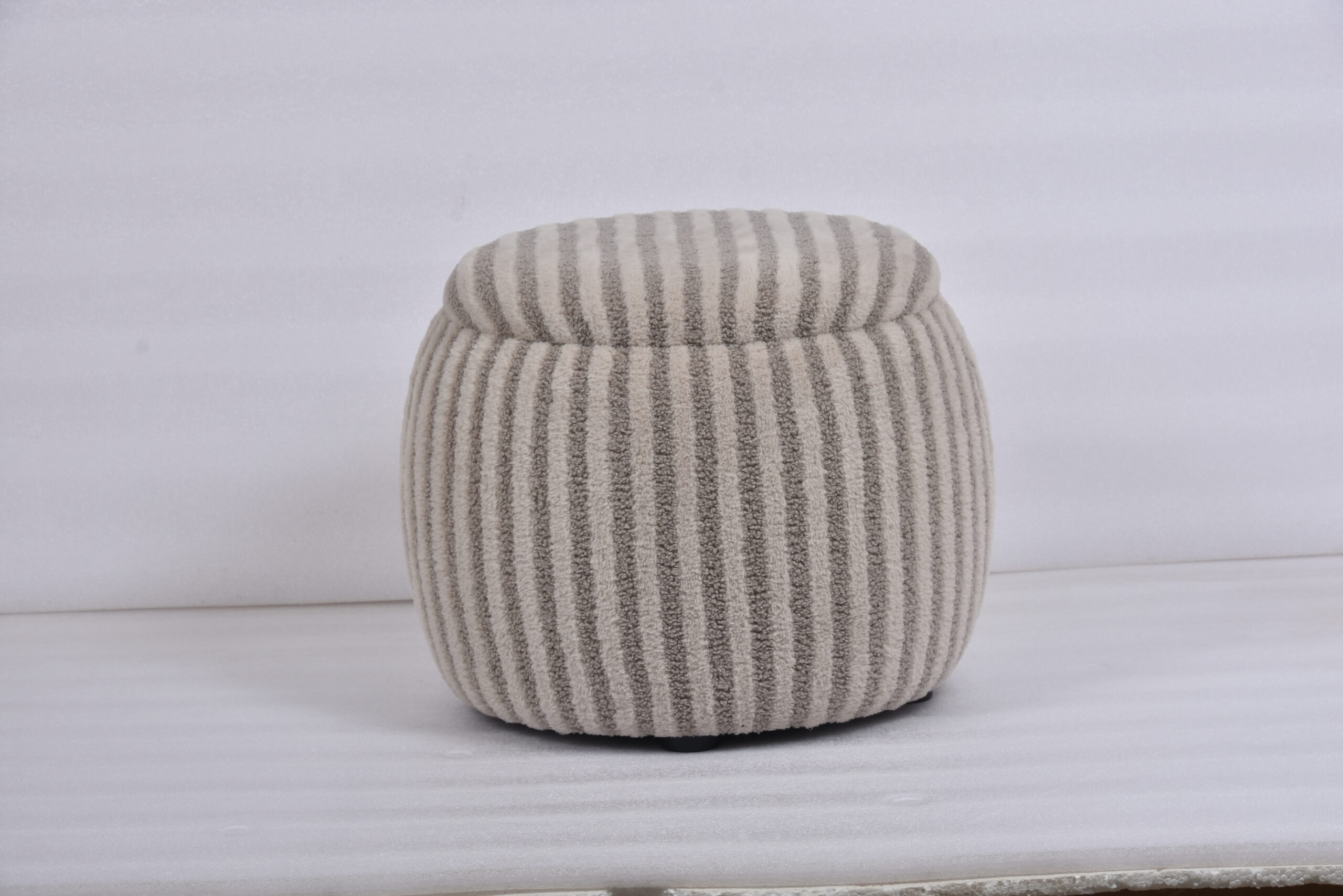
Ottomans and Benches Buying Guide: Start With How the Product Will Be Used
As an American home decor designer, I love a beautiful ottoman: soft upholstery, balanced proportions, a practical height, and just enough personality to make a room feel styled.
But B2B buyers have to look deeper.
An ottoman or bench is not only a decorative seat. It is a product that must survive sitting, styling, packaging, shipping, online photography, warehouse handling, and reorder planning.
That is why this ottomans and benches buying guide starts with one simple buyer question:
Can this product look good, work well, ship safely, and still make commercial sense?
Buyers Are Not Just Buying Shape. They Are Buying Materials.
For ottomans and benches, wholesale home decor materials matter as much as the silhouette.
A buyer should look at:
upholstery fabric,
frame structure,
foam density,
leg material,
stitching,
weight,
surface durability,
carton structure,
and whether the product can be repeated in the next order.
A bench may look beautiful in a catalog, but if the fabric pills quickly, the frame feels weak, or the packaging allows corner damage, the buyer sees risk.
This is where material judgment becomes part of sourcing strategy.
Why Buyers Trust Grounded Production Answers
This is why buyers trust grounded production answers.
A weak supplier says, “Yes, we can make this bench.”
A stronger supplier says:
“This fabric looks good, but this weave may be safer for repeat orders.”
“This leg shape needs better protection in the carton.”
“This cushion thickness works better for retail comfort.”
“This ottoman can be the hero item, but the collection needs one smaller add-on.”
“This product may need consolidated shipping planning because of carton volume.”
Buyers trust answers that sound like they came from the workshop floor, not a sales script.
Grounded answers reduce guessing. They help buyers understand what can be made, what should be revised, and what may become expensive later.
Home Decor Product Development Should Test More Than Style
Good home decor product development is not only about making a pretty sample.
For ottomans and benches, sample review should test:
seat height,
foam comfort,
fabric handfeel,
leg stability,
frame strength,
stitching quality,
carton protection,
and whether the product belongs inside a larger assortment.
Stanford d.school’s design thinking framework treats prototyping and testing as ways to learn before making bigger commitments. That same logic applies to B2B sourcing: a sample is not just a preview; it is the buyer’s first real risk check.
Building a Small but Profitable Assortment
For many retailers, building a small but profitable assortment is smarter than launching too many untested pieces.
A practical ottoman and bench assortment may include:
one hero storage ottoman,
one upholstered bench,
one small accent stool,
one neutral fabric option,
one bolder seasonal fabric,
and one easy-to-ship item for online sales.
The goal is not to make the collection huge. The goal is to make it easy to display, easy to explain, easy to ship, and easy to reorder.
A small assortment with good material choices and strong packaging can be more profitable than a large assortment full of beautiful but difficult products.
What an Online Home Decor Seller Supplier Should Understand
An online home decor seller supplier has to think differently.
Online customers cannot touch the fabric. They cannot sit on the bench before buying. They judge from photos, dimensions, product copy, reviews, and delivery experience.
That means ottomans and benches for online channels need:
clear scale photos,
accurate dimensions,
simple assembly notes if needed,
durable materials,
strong packaging,
and product descriptions that explain use cases clearly.
A bench that photographs well but arrives with dented corners or unclear size expectations can create returns. For online sellers, product development and packaging are part of the customer experience.
Why Consolidated Shipping Home Decor Matters
Ottomans and benches are bulkier than small ceramic décor, mirrors, or tabletop accessories.
That is why consolidated shipping home decor can matter for buyers building mixed assortments.
A buyer may want to combine benches, ottomans, ceramic vases, candle holders, mirrors, and small accents in one shipment. That can improve efficiency, but it also requires better coordination.
The supplier must think about:
carton size,
loading plan,
damage risk,
mixed SKU handling,
MOQ planning,
lead time,
and whether fragile items need separation from heavier furniture pieces.
For B2B buyers, shipping is not separate from assortment planning. It is part of the margin story.
Recent U.S. Trends Make Ottomans and Benches More Interesting
Recent U.S. home trend coverage points toward richer texture, more detailed interiors, oversized scale, menswear patterns, draped forms, and a return to more expressive rooms.
That creates opportunity for ottomans and benches.
A tailored bench can carry the menswear trend. A soft upholstered ottoman can support the cozy, textured interior direction. A storage ottoman can bring function into smaller homes. A patterned stool can add a trend signal without making the full assortment too risky.
TikTok is also speeding up home decor taste cycles, especially around cozy, nostalgic, tactile, and personality-driven interiors.
But TikTok does not answer buyer questions:
Can the fabric repeat?
Can the frame hold up?
Can the carton protect the legs?
Can the product ship with other home decor items?
Can the style still sell after the viral moment fades?
That is where sourcing discipline matters.
A Practical Buyer Checklist for Ottomans and Benches
Before approving ottomans or benches, buyers should ask:
Does the product have a clear role in the assortment?
Does the fabric match the target market?
Does the frame feel stable?
Does the foam feel comfortable enough for the price point?
Can the product be packed safely?
Can the item ship alone or as part of consolidated shipping?
Can the supplier repeat the approved sample?
Does the product support a second order?
If the answer is unclear, the product may need revision before production.
FAQ: Ottomans and Benches Buying Guide
What should buyers check when sourcing ottomans and benches?
Buyers should check upholstery material, frame strength, foam comfort, stitching quality, leg stability, carton protection, size accuracy, MOQ, lead time, and whether the product fits a larger assortment.
Why do materials matter for ottomans and benches?
Materials affect comfort, durability, appearance, packaging risk, customer satisfaction, and reorder confidence. Fabric, foam, frame, and leg materials all influence the final product experience.
How can buyers build a small but profitable assortment?
Buyers can start with one hero ottoman, one bench, one smaller accent stool, one neutral fabric, one bolder trend fabric, and one easier-to-ship item for online sales.
Why does consolidated shipping matter in home decor sourcing?
Consolidated shipping helps buyers combine multiple product categories, but it requires careful carton planning, loading strategy, damage control, and coordination across different product sizes and materials.
Final Thought: The Best Ottoman Is Designed for the Whole Buying Journey
A beautiful ottoman gets attention.
A well-developed ottoman gets the order.
That is why a serious ottomans and benches buying guide should look beyond style. Buyers need material judgment, production answers, packaging control, shipping planning, and assortment thinking.
In B2B home decor, the best product is not only the one that looks good in a photo.
It is the one that can sell, ship, and reorder with confidence.
Leave a Reply