

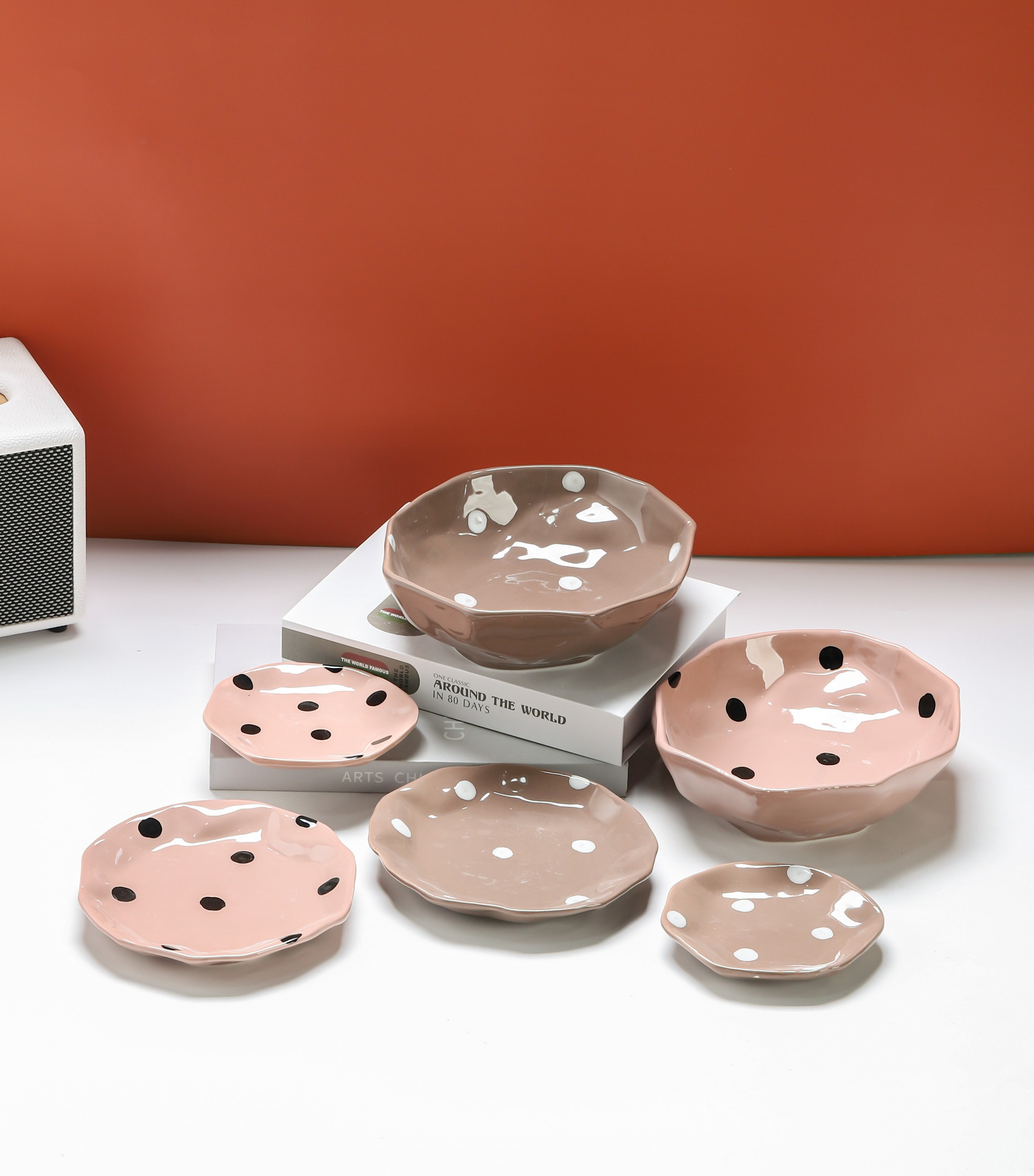
Where Packaging Awareness Begins Before Shipping
As an American home decor designer, I used to think packaging came after the product was finished.
Now I know better.
For B2B buyers, where packaging awareness begins before shipping is not the warehouse. It begins much earlier: during material selection, sample review, size correction, finish testing, MOQ planning, and product development.
A product that cannot be packed safely is not really ready.
That is true for a stoneware vase wholesale order. It is true for mirrors. It is true for tabletop décor. It is also true for soft goods, which is why any serious ottomans and benches buying guide should talk about carton size, leg protection, fabric surface care, and consolidated loading—not just upholstery style.
Packaging Starts When the Product Shape Is Chosen
A vase with a narrow neck needs different protection than a wide-mouth vase.
A tall stoneware vase needs base stability.
A sculptural object may need custom inner support.
An ottoman with exposed legs may need corner protection.
A bench with fabric upholstery may need surface protection from pressure, dust, and rubbing.
This is why packaging awareness begins at the product design stage. Shape, material, surface, and carton structure are connected from the beginning.
A supplier who waits until shipping week to think about packaging is already late.
What Production Memory Really Changes
This is what production memory really changes.
A supplier with real production memory does not only say, “Yes, we can pack it.”
A better supplier says:
“This rim may chip if the inner support is too loose.”
“This finish may rub if the product moves inside the carton.”
“This bench leg should be protected separately.”
“This stoneware vase needs a wider base before packaging can work well.”
“This product looks good, but the carton size may affect freight cost.”
That kind of answer builds buyer trust because it comes from real making experience, not from a sales script.
How a Craft Region Shortens the Correction Cycle
This is also how a craft region shortens the correction cycle.
In a craft region, makers have usually seen the same problems many times: glaze rubbing, weak rims, unstable bases, scratched surfaces, loose inner cartons, soft packaging that collapses, and product shapes that look good but travel badly.
That local experience makes correction faster.
The buyer does not have to wait through three rounds of guessing. A workshop with production memory can often identify whether the issue comes from material, shape, finish, carton structure, or packing method.
That is why craft-region sourcing is not only about tradition.
It is about faster problem recognition.
Why Home Décor MOQ and Lead Time Depend on Packaging
Buyers often ask about home décor MOQ and lead time early.
That makes sense. MOQ affects cash flow. Lead time affects launch planning.
But packaging affects both.
If the product needs custom inner protection, the lead time may change. If the carton size affects loading efficiency, the cost structure may change. If a buyer wants a small test order, packaging material preparation still has to make sense.
A low MOQ is not useful if the product arrives damaged.
A fast lead time is not useful if the packaging was rushed.
Packaging awareness protects the order before shipment begins.
What an Online Home Decor Seller Supplier Should Understand
An online home decor seller supplier has to think even harder about packaging.
Online buyers do not touch the product before purchase. Their first physical experience may be the delivery box.
That means the product must arrive clean, stable, and close to what the online image promised.
For online sellers, packaging affects:
customer reviews,
return rates,
product ratings,
replacement cost,
brand trust,
and repeat purchase.
A stoneware vase that looks beautiful online but arrives with surface rubbing becomes a customer-service problem. A bench that arrives with dented legs becomes a review problem. A candle holder with chipped edges becomes a refund problem.
Packaging is part of the online customer experience.
Why Recent Home Trends Make Packaging Awareness More Important
Recent U.S. home trends continue to move toward richer texture, more sculptural silhouettes, natural materials, oversized scale, and more personality-driven interiors.
That creates opportunity for home decor buyers.
It also increases packaging risk.
A larger vase needs more stable inner support.
A textured finish needs surface separation.
A sculptural shape may need custom packing.
A soft bench may need pressure protection.
A handmade-looking object may need clearer acceptable-variation standards.
TikTok can make a shape or finish popular very quickly. But social media does not answer the buyer’s packaging question.
Can the product arrive safely?
That question belongs to the supplier.
A Better Packaging Awareness Checklist for Buyers
Before approving a home decor product, buyers should ask:
Does the shape create packaging risk?
Does the finish need surface protection?
Does the product move inside the carton?
Does the rim, corner, base, leg, or frame need extra support?
Does packaging cost still fit the target price?
Does packaging affect MOQ or lead time?
Can this packing method be repeated in the next order?
This is not overthinking.
This is how buyers avoid expensive surprises.
FAQ: Where Packaging Awareness Begins Before Shipping
Where does packaging awareness begin before shipping?
Packaging awareness begins during product development, not at the warehouse. Buyers should consider shape, material, finish, sample review, carton structure, MOQ, lead time, and shipment risk before production is finalized.
Why does packaging matter for stoneware vase wholesale?
Stoneware vases may have fragile rims, heavy bodies, textured finishes, and unstable shapes. Packaging must protect both the ceramic structure and the visible surface.
How does production memory improve packaging decisions?
Production memory helps suppliers recognize common risks earlier, such as glaze rubbing, rim chipping, carton movement, base instability, and surface damage.
Why should online home decor sellers care about packaging early?
Online sellers depend on delivery experience, reviews, and low return rates. Poor packaging can turn a good-looking product into a customer-service problem.
Final Thought: Packaging Is a Product Decision
A product photo creates interest.
A sample starts the conversation.
But packaging decides whether the product can survive the real journey.
That is why where packaging awareness begins before shipping matters in B2B home decor sourcing. It begins at the sample table, in the workshop, during MOQ planning, and inside every product decision that happens before the carton is sealed.
A beautiful product gets attention.
A well-developed product arrives ready to sell.
Leave a Reply