

A Beautiful Vase Is Lovely. A Reliable Vase Program Is Better: What Retailers and Importers Really Need From a Supplier
As an American interior designer, I will happily admit that I am biased toward the decorative object. A vase with the right curve can make a room feel lighter. A planter with the right glaze can make a shelf feel edited. A small ceramic accent can do that delightful thing good decor always does: make everything around it look more considered.
But for retailers and importers, beauty alone is not enough.
A great retailers and importers supplier has to do something more difficult and much more valuable. It has to turn that lovely object into a repeatable product line—something that can survive sampling, production, shipping, merchandising, gifting season, and, ideally, a reorder that does not cause anyone to lose their composure in front of a spreadsheet.
That is why the supplier conversation matters so much right now. ASID’s research points to a design market shaped by authenticity, individuality, and emotionally resonant spaces, while NKBA’s 2026 North American report highlights whole-home continuity, personalized style, organic aesthetics, and material sophistication. In other words, buyers want warmth and character, but they also want products that fit a bigger story.
The Best Supplier Is Not Just Making Product. It Is Building Confidence.
That is the subtle difference between a factory you can buy from and a partner you can build with.
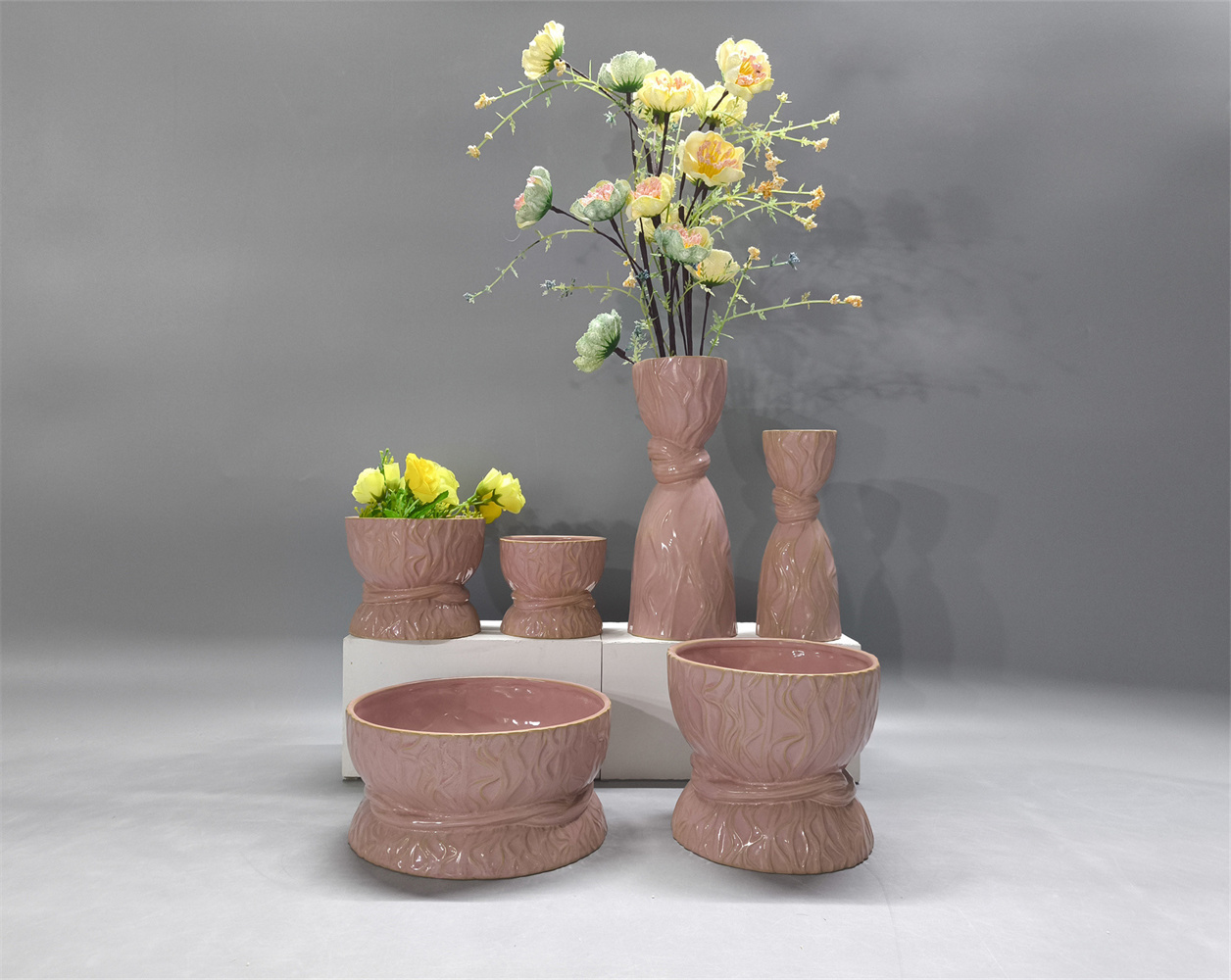
A basic supplier might send a quote for a vase. A stronger ceramic vase supplier helps you think in assortments: which shape works as a hero piece, which glaze feels giftable, which size sits comfortably in entry-level retail, and which item can extend into a broader family of Wholesale Home Decor Vases without looking repetitive.
The same goes for ceramic planters wholesale. A good supplier should understand that planters are not just containers. They are styling tools, merchandising tools, and often quiet traffic-builders in seasonal collections. They need the right scale, the right finish, and the right level of visual ease to move across spring, gifting, and everyday home categories.
And if you are in gifting, tourism, or lifestyle retail, the conversation gets even more nuanced. A strong Souvenir Wholesale Supplier does not just chase novelty. It understands which objects feel portable, presentable, emotionally legible, and easy to display. That matters enormously when a decorative vase for gifts has to work both as a design object and as a purchase with quick emotional appeal.
The North American Mood Is Moving Toward Character With Structure
The latest market signals are not really about colder minimalism. They are about warmth with discipline.
High Point Market’s Spring 2026 programming includes Style Spotters, Hot Spot Tours, and a first-ever keynote focused specifically on residential kitchen design. That tells you something useful: the industry is increasingly treating accents, decorative pieces, and functional objects as part of one connected home language rather than scattered add-ons. High Point runs April 25–29, 2026, and remains one of the major trade-only spaces where product direction and buying priorities become visible.
The social side of the market is accelerating that shift. TikTok’s own 2025 trend report says the comment section is becoming “the new focus group,” while ELLE Decor’s March 2026 interior trend coverage highlights nostalgia, skirted forms, and personality-led styling with real staying power. So yes, the trends are moving quickly—but the deeper story is that people want homes that feel expressive, layered, and slightly more human. Suppliers now need to respond to that mood with products that are stylish but not chaotic, charming but not operationally messy.
That is where Teruierdecor has a persuasive service angle. The factory story is not just about production. It is about helping buyers move from an idea to a line, and from a line to a program that feels stable enough for retail life.
Why Direct Factory Export Still Matters
There is something quietly elegant about Direct Factory Vase Export when it is done well.
Not because “direct” sounds efficient on a brochure, but because it can reduce interpretation loss. Fewer layers can mean faster sample adjustments, clearer finish confirmation, tighter communication, and a better chance that the item you approved is the item you actually receive.
For retailers and importers, that is not a small detail. It is the difference between buying decor and buying peace of mind.
And for a brand like Teruierdecor, that is the real opportunity: to position its factory service not as anonymous output, but as design-aware support for buyers who need good-looking product and a calmer path to getting it.
FAQ: What Smart Buyers Ask a Ceramic Factory
What should I ask before ordering ceramic vases or planters?
Ask for dimensions, finish notes, glaze variation expectations, carton details, MOQ, lead time, usage classification, and how the item fits into a broader assortment. If you are buying a family of products, ask how finish consistency is maintained across sizes.
Why is a factory’s product judgment so important?
Because a pretty product can still fail in retail if the scale is awkward, the glaze is unstable, or the assortment is too scattered. Good factories help buyers refine product logic before those problems become expensive.
Are decorative ceramic products treated the same as food-contact ceramics?
No. Decorative pieces and food-contact ceramics are not the same compliance conversation. The FDA states that imported and domestic ceramic ware has been found to contain extractable cadmium, and its lead guidance for ceramic foodwares references leaching limits and ASTM test methods for food-contact surfaces. If a product may touch food or beverages, buyers need specific testing and documentation discussions early in the process.
Who handles U.S. import compliance?
Not just the supplier. CBP says compliance is a shared responsibility between Customs and the importing/exporting community. CPSC also states that manufacturers, importers, distributors, and retailers have legal duties to report certain safety-related information, including situations involving substantial product risk.
What makes a ceramic supplier feel trustworthy to importers?
Clarity, consistency, and follow-through. A trustworthy supplier can explain materials, tolerances, packaging, sampling, and production timelines without making everything sound mysterious.
Can one supplier support both gift channels and home decor retail?
Yes—if the supplier understands assortment strategy. A decorative vase for gifts has different emotional and display needs than a mass retail shelf program, but the best partners know how to adapt product families across channels without losing discipline.
Great Decor Should Travel Well
That may be the whole secret.
The best retailers and importers supplier does not just make objects. It makes those objects easier to trust, easier to ship, easier to display, and easier to reorder when the market responds well.
That is the kind of service Teruierdecor should lean into.
Not just “we make vases.”
More like: we help beautiful product arrive in the real world looking exactly as composed as it did in your head.
Leave a Reply