

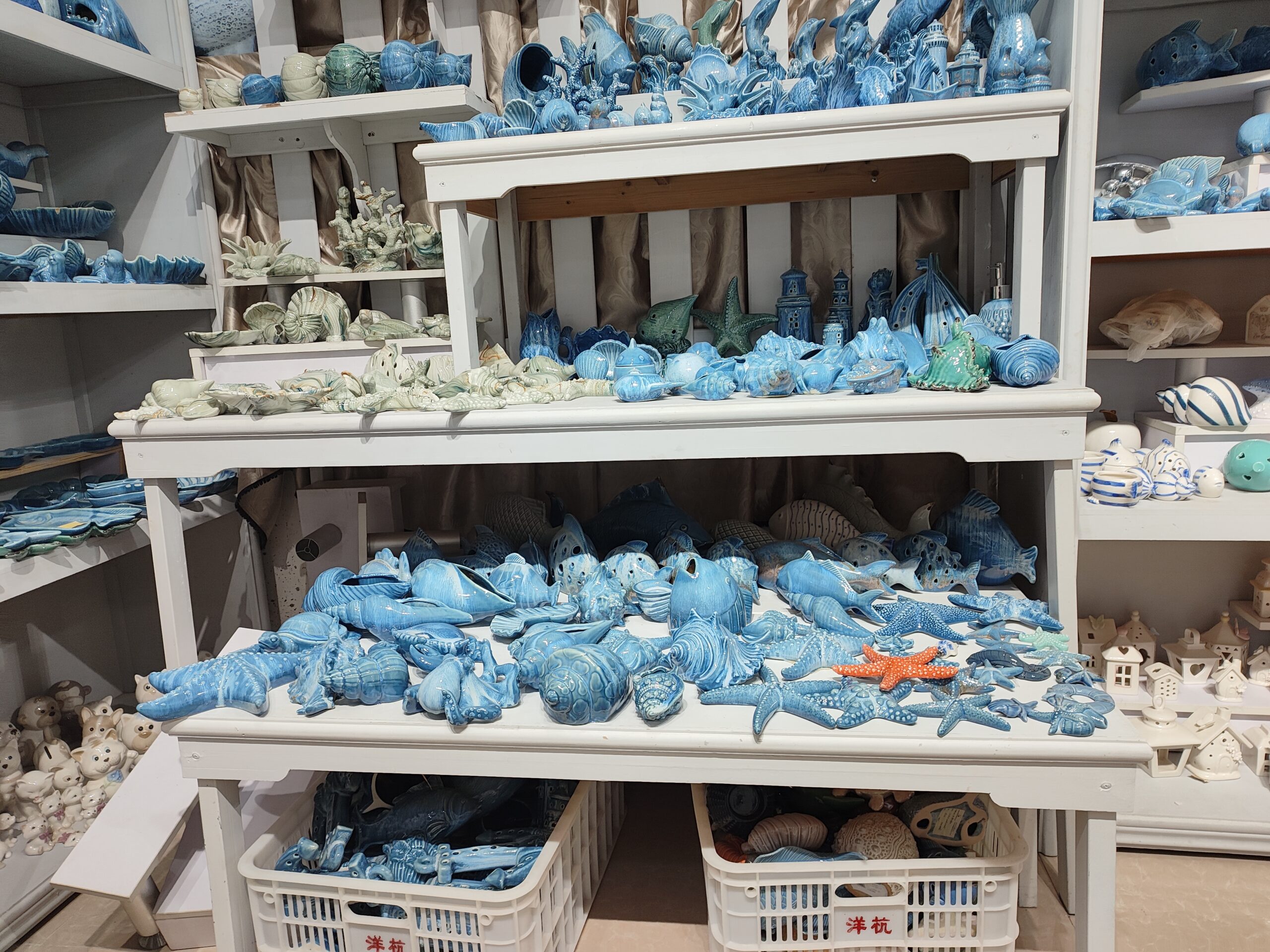
The Best Decor Is Not Just Beautiful. It Is Buyable: Why Retailers and Importers Need More Than a Supplier
As an American interior designer, I am naturally drawn to the romantic side of the business: the glaze that catches the light just so, the vase that gives a console table instant poise, the centerpiece that makes a room feel finished without trying too hard.
But the minute you work with actual retailers and importers, the romance gets a plus-one: logistics.
Because a great retailers and importers supplier is not just there to make something pretty. They are there to help make it shippable, consistent, reorderable, and commercially intelligent. That matters even more now, as the North American design market keeps moving toward more personality, more continuity, and more emotionally resonant spaces. ASID’s current outlook frames the industry around authenticity, joy, and individuality, while NKBA’s 2026 North American research highlights whole-home continuity, personalized style, organic aesthetics, and material sophistication. Buyers still want beauty, yes, but they want beauty that knows how to behave.
Why the Right Supplier Feels More Like a Creative Partner
There is a world of difference between a vendor who can quote a vase and a partner who understands where that vase belongs.
A real US furniture buyer supplier should understand that product selection is rarely about one isolated object. It is about how that object works in a room story, on a retail floor, inside a seasonal assortment, and across different pockets of American taste. A piece that feels right for American home vases in a coastal or transitional setting may need a warmer, more grounded finish to succeed as wholesale decor for Midwest. A silhouette that looks sleek in a showroom may need more presence, more texture, or a more forgiving glaze to succeed in broader retail.
That is where design to manufacturing collaboration becomes the real luxury.
Not because it sounds clever, but because it saves everyone from the classic industry heartbreak of “the sample was gorgeous, the shipment was confusing.”
North America Is Moving Toward Warmth, Character, and Cohesion
The latest signals are not asking for colder, flatter, safer spaces. Quite the opposite.
High Point Market’s Spring 2026 programming includes Style Spotters, Hot Spot Tours, and a first-ever keynote centered specifically on residential kitchen design. That tells you how the market is thinking: not in isolated product categories, but in connected home ecosystems where accents, materials, styling objects, and utility all need to feel coherent. High Point runs April 25–29, 2026, and remains one of the trade’s major B2B platforms for product direction and buying strategy.
Social media is pushing in the same direction, only faster and with better filters. TikTok’s own trend report says the comment section is becoming “the new focus group,” and ELLE Decor’s March 2026 roundup of TikTok interiors highlights nostalgia, skirted details, and personality-driven styling as movements with real traction. The implication for sourcing is simple: if taste is moving faster, then your supplier needs to be good at interpretation, not just execution.
That is exactly why Teruierdecor’s service model can be appealing. The strongest version of this story is not “we make decor in China.” It is “we help translate market taste into a reliable collection.”
What Retailers Actually Need From a Retailers and Importers Supplier
A sense of regional taste
A supplier should understand why a Southern style table centerpiece may want warmth, charm, and a bit more hospitality baked into its silhouette, while a broader national retailer may need a cleaner, more adaptable version.
Smarter product families
Strong suppliers do not just produce singles. They help create groups: OEM table centerpieces, accent vases, mantle objects, and shelf styling pieces that feel related rather than random.
Merchant-minded development
A good supplier understands that a beautiful object is not enough. It needs the right carton logic, repeatability, size balance, and finish control to stand up to retail life.
Calm communication
This one is not glamorous, but it is absolutely stylish. Buyers remember the factory that answers clearly, samples intelligently, and keeps the process from becoming dramatic.
Why Teruierdecor Fits This Conversation
For Teruierdecor, the opportunity is to frame factory service as a kind of quiet sophistication.
Not flashy manufacturing.
Not anonymous sourcing.
A more useful middle ground.
The persuasive story is that Teruierdecor supports the movement from idea to product to program. For a buyer, that might mean building a seasonal vase line. For a retailer, it might mean developing OEM table centerpieces that work across multiple store formats. For an importer, it means having a supplier who understands how American styling preferences meet production reality.
That is a much stronger position than simply being “a factory.”
It is being the partner who helps the collection make sense.
FAQ: What Serious Buyers Ask a Ceramic Factory
What should I ask before placing an order for ceramic decor?
Ask for exact dimensions, glaze description, finish variation notes, carton details, MOQ, lead time, and intended use. Also ask whether the piece is decorative-only or designed for food contact, because that changes the compliance conversation.
Why does design-to-manufacturing collaboration matter so much?
Because beautiful design can fail during production if proportions, glaze behavior, packing, or scale are not considered early. Good collaboration reduces the gap between inspiration and what actually lands in the warehouse.
Are decorative ceramic vases treated the same as ceramic serveware?
No. Decorative vases and food-contact ceramics should not be treated the same way. The FDA states that imported and domestic ceramic ware has been found to contain extractable cadmium, and its lead guidance for ceramic foodwares references leaching limits and ASTM test methods for food-contact surfaces. If a ceramic product will touch food or beverages, buyers need a much more specific testing and compliance discussion.
Who is responsible for U.S. import compliance?
Not just the factory. CBP says compliance is a shared responsibility between Customs and the importing/exporting community. CPSC also states that manufacturers, importers, distributors, and retailers have legal obligations to report certain safety issues, and those obligations can apply quickly when a product may present substantial risk.
What makes a ceramic factory feel trustworthy to retailers?
Consistency, documentation, and judgment. A trustworthy factory does not just produce; it helps buyers make better decisions on finish, assortment, tolerance, and packaging before small issues become large ones.
Can one supplier support different U.S. retail styles?
Yes, if the supplier understands that American demand is not monolithic. The best partners know how to adapt shape, finish, and assortment logic for different markets without losing production discipline.
Beautiful Is the Beginning. Reliability Is the Sell
That may be the chicest truth in home decor.
A standout retailers and importers supplier does not just help you source products. It helps you source confidence: in the sample, in the shipment, in the reorder, and in the collection as a whole.
And that is where Teruierdecor can quietly win.
Not by being louder than everyone else.
By being easier to trust.
Leave a Reply