
The Best Home Decor Manufacturer Story Does Not Start in a Factory. It Starts in a Room.
A Home Decor Manufacturer Story with More Style Than Noise
A memorable home decor manufacturer story should not begin with machines, square footage, or a parade of export clichés. It should begin with taste.
That is the part American designers notice first. Not just whether a supplier can make a vase, planter, or tabletop accent, but whether it understands proportion, finish, softness, and mood. Whether it knows how a product will sit in a sunlit entry, on a layered console, or in a hospitality lobby that needs to feel polished without feeling stiff.
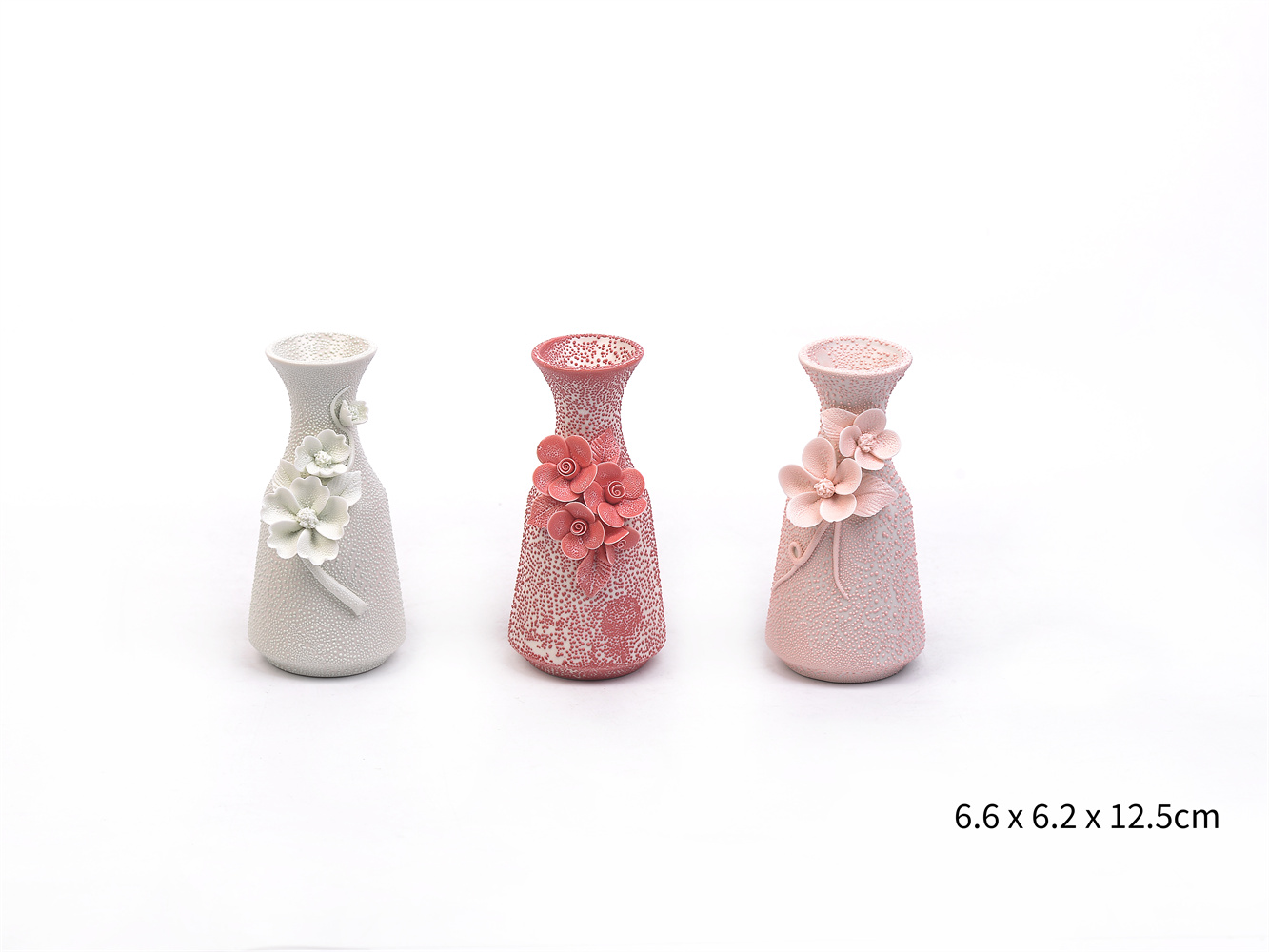
That is why Teruierdecor’s story matters. It comes from a craft-rich hometown, the kind of place where decorative making is still close to the hand, the eye, and the material itself. In a market full of factories that sound interchangeable, that kind of origin gives the brand story a different texture: less anonymous production, more design translated into something commercially usable.
Why This Story Feels Timely in North America
The North American market is quietly telling us the same thing. High Point Market’s Spring 2026 programming is spotlighting beauty, neuroaesthetics, and biophilia, while its Style Spotters platform continues to frame the show as a place to discover moment-defining trends across 11.5 million square feet of showrooms. That is a useful signal. It suggests the conversation is moving toward interiors that feel restorative, layered, and emotionally intelligent, not merely “new.”
Las Vegas Market is pointing in a similar direction. ANDMORE said Winter 2026 showcased what is next across home, gift, and lifestyle, with Market Snapshot themes including Timeless Romance, Symbols & Shapes, and Restorative Softness across 3,500+ furniture, décor, and gift offerings. In plain English: buyers are still responding to softness, shape, storytelling, and products with visual character.
Even TikTok’s design culture is pulling in that direction. ELLE Decor reported that some of 2026’s biggest TikTok interior trends have real staying power and historical precedent, including skirted furniture and more broken, zoned layouts rather than one-note open-plan sameness. That matters for decorative suppliers because when rooms become softer and more personality-led, objects have to do more than fill a shelf. They have to support the room’s point of view.
Teruierdecor’s Brand Story Is Really About Translation
So the real Teruierdecor story is not “we make home decor.”
It is closer to this: we come from a place that knows how decorative products are made, and we know how to translate that craft into collections American buyers can actually use.
That matters for the buyer searching for a retailers and importers supplier who can do more than ship cartons. It matters for the designer looking for a sensible trade program for interior designers with products that feel collected rather than generic. And it matters for project teams who need a real hospitality procurement supplier, not just a catalog with pretty images.
Because serious buyers are rarely buying one thing. They are buying a chain of confidence.
They want style, yes. But they also want consistency. They want a reorder stability manufacturer that understands that the second shipment matters just as much as the first. They want factory direct pricing home decor that still feels edited, not random. They want pieces that arrive clean, photograph well, survive handling, and do not turn replenishment into a guessing game.
That is where brand story becomes operational, and where a beautiful origin story becomes useful.
Good Design Is Lovely. Good Process Is What Makes It Reorderable.
This is also why the best factory stories are never purely romantic.
A good decorative object needs a good production rhythm behind it. For B2B buyers, that means sampling discipline, carton logic, glaze consistency, dimensional stability, and the quiet paperwork that keeps international orders moving. The phrase compliance documents for importers may not sound glamorous, but in real wholesale work it is one of the reasons a relationship becomes long-term. If the shipment paperwork is sloppy, the romance fades very quickly.
U.S. customs rules require the commercial invoice or acceptable substitute documentation to contain an adequate description of the merchandise, quantities, values, the relevant tariff subheading, and the name and address of the responsible foreign firm. That is exactly why experienced import buyers care whether a supplier treats documentation as part of the product, not an afterthought.
So yes, Teruierdecor’s story begins in a craft hometown. But what makes that story commercially meaningful is this: it connects aesthetics to process. The vase and the carton. The glaze and the invoice. The room and the route.
That is the kind of story American buyers tend to trust.
FAQ: Ceramic Factory Questions Serious Buyers Actually Ask
What is the difference between earthenware, stoneware, and porcelain?
The Royal Society of Chemistry explains that pottery usually goes through an initial firing of about 1000°C to create biscuit ware, and that clay bodies behave differently depending on composition and firing range. Broadly speaking, earthenware is lower-fired and more porous, while stoneware and porcelain are fired higher and become denser and less absorbent.
Why does firing temperature matter in decorative ceramics?
Because firing temperature affects porosity, density, shrinkage, and durability. Preservation guidance from the University of Illinois notes that high-fired ceramics such as porcelain are less porous, but also harder and more brittle, which means they can be more vulnerable to impact damage even while offering better water resistance.
What are common ceramic defects buyers should watch for?
The University of Illinois preservation guide highlights warping and cracking in the clay body, along with glaze issues such as crazing and blistering, as defects that reduce structural integrity. It also notes that crazing can expose the body beneath the glaze, making it more susceptible to staining. For buyers, this is why finish inspection cannot be separated from durability inspection.
Why do import buyers ask so many documentation questions?
Because paperwork errors create real cost. U.S. rules require invoices to include a usable product description, quantities, values, tariff classification, and the responsible foreign party’s identity. In other words, proper compliance documents for importers are not clerical extras; they are part of whether the shipment clears smoothly.
What should a buyer ask a pottery supplier before placing an order?
Ask about clay body, firing range, glaze consistency, sampling lead time, protection for fragile areas, carton structure, QC checkpoints, and how reorders are controlled for color and size. The prettiest sample in the world is not enough if the factory cannot explain how it will hold up across production and transit. That is usually the difference between a decorative vendor and a long-term manufacturing partner.
The Short Version
Teruierdecor’s home decor manufacturer story works because it is not only about where the products come from.
It is about how they move from craft to commerce without losing their point of view.
A stylish product.
A steadier reorder rhythm.
A supplier that understands designers, retailers, importers, and hospitality teams.
And a craft hometown that still gives the work its soul.
That is a better brand story than scale alone.
And, frankly, a prettier one too.
Leave a Reply