

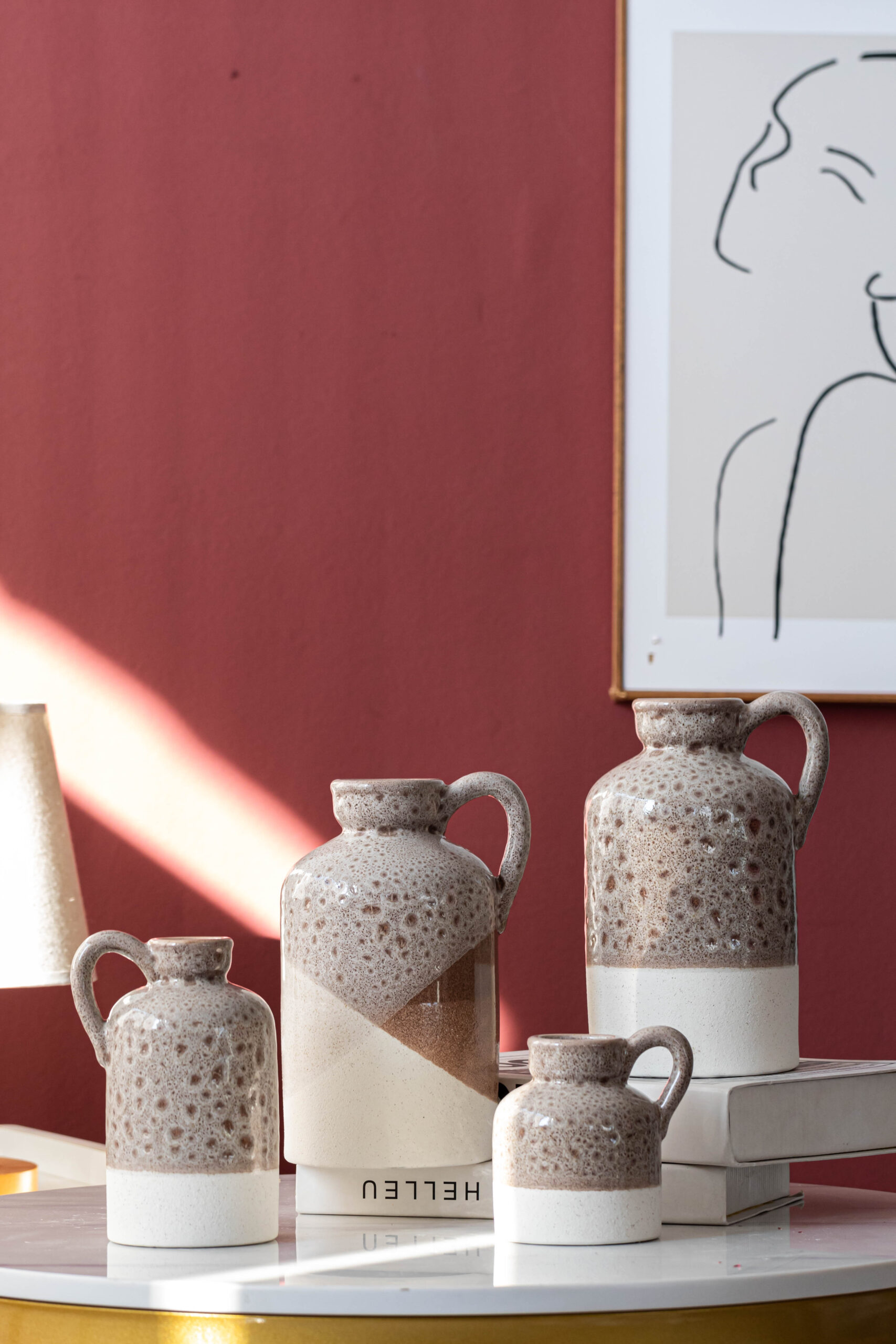
Home Decor Shelf Logic Is the Buyer’s Real Test
As an American home decor designer, I can love one beautiful vase, mirror, tray, or wall accent very quickly.
But buyers cannot build a retail program from one pretty product.
That is why home decor shelf logic matters. It helps buyers decide whether a product can sit with other items, support a price ladder, ship safely, and become part of a profitable home decor assortment.
A strong shelf is not just decorated.
It is edited.
It has rhythm, price structure, visual balance, packaging discipline, and a reason for the buyer to reorder.
Why Shelf Logic Matters When Comparing Wholesale Home Decor Suppliers
When buyers compare Wholesale Home Decor Suppliers, they do not only compare unit price.
They compare product judgment.
Can the supplier build a collection, not just send random SKUs?
Can the supplier explain why one item should be the hero?
Can the supplier suggest a smaller add-on?
Can the supplier spot packaging risk early?
Can the supplier help protect margin after shipment?
That is where home decor assortment strategy becomes practical. The buyer is not just buying objects. The buyer is building a shelf story that needs to sell, ship, and repeat.
A Short Wall Décor Buying Guide for Shelf Logic
A practical wall décor buying guide should ask more than “Does it look good?”
Buyers should ask:
Does the wall piece give the collection height?
Does it connect with tabletop décor, mirrors, trays, or ceramic accents?
Does the frame or surface match the finish direction?
Can it ship without corner damage?
Does it make the shelf feel complete, or does it feel like a separate idea?
Wall décor often gives a collection vertical balance. Without it, the assortment can feel flat. With the wrong wall décor, the whole shelf can feel confused.
Why Recent U.S. Home Trends Need Shelf Control
Recent U.S. design coverage from Spring 2026 High Point Market pointed to draped forms, artisanal textures, Southwest influence, menswear patterns, oversized scale, and more detailed interiors. These are useful signals for home decor buyers, but they still need to be translated into shelf-ready products.
A trend may look strong in one showroom image.
But can it work on a real shelf?
A large sculptural vase may catch attention, but it may need quieter support pieces. A textured wall accent may feel current, but too much texture across the whole assortment can become visual noise. A bold material story may look fresh, but the buyer still needs packaging stability, price logic, and reorder confidence.
That is why shelf logic matters.
How Making Depth Improves Sourcing Confidence
This is how making depth improves sourcing confidence.
A catalog can show the finished product.
A workshop can explain what may go wrong.
Will the ceramic finish rub during transit?
Will the wall décor frame need stronger corner protection?
Will the tray surface scratch?
Will the base sit flat?
Will the carton protect the product without killing margin?
MIT professor Eric von Hippel’s work on “sticky local information” explains why some useful product knowledge is hard to move away from the place where the problem is actually being solved. In home decor, that knowledge often lives close to the workshop: material behavior, finish control, packing risk, and repeat production.
For buyers, that knowledge reduces guessing.
Packaging Stability Is Part of Shelf Logic
A product is not shelf-ready if it cannot arrive safely.
That is why packaging stability home decor decisions should happen early, not after the collection is approved.
ISTA notes that many package test protocols begin by defining product damage tolerance and package degradation allowance before testing. For fragile home decor, that matters because buyers need to know what kind of damage is unacceptable before shipment begins.
A mirror with weak corner protection is not retail-ready.
A vase with a fragile rim is not retail-ready.
A wall accent that scratches in transit is not retail-ready.
A tray that needs excessive protection may break the price structure.
Shelf logic and packaging logic belong in the same conversation.
TikTok Can Start the Look. Shelf Logic Decides the Order.
TikTok continues to move home decor taste quickly. ELLE Decor’s 2026 TikTok interior trend coverage pointed to skirted furniture, broken floor plans, friction-maxxing, and cabbagecore as signs of more nostalgic, tactile, personality-driven interiors entering the wider design conversation.
But TikTok does not answer the buyer’s real questions.
Can this become a product family?
Can the finish be repeated?
Can the shelf stay clear?
Can the product ship safely?
Can the collection still make sense after the viral moment fades?
That is where home decor shelf logic turns inspiration into sourcing judgment.
FAQ: Home Decor Shelf Logic
What is home decor shelf logic?
Home decor shelf logic is the way buyers judge whether products work together on a retail shelf, including height, color, finish, function, price structure, packaging, and collection rhythm.
Why does shelf logic matter for B2B buyers?
Because buyers rarely purchase one isolated item. They need products that can be displayed, explained, shipped, sold, and reordered as part of a larger assortment.
How does shelf logic help build a profitable home decor assortment?
It helps buyers avoid random SKUs and build a collection with a hero item, supporting products, price balance, visual rhythm, packaging stability, and reorder potential.
What should buyers look for in Wholesale Home Decor Suppliers?
Buyers should look for suppliers with product judgment, sample development ability, packaging awareness, finish control, and enough making depth to explain risks before production.
Final Thought: The Shelf Decides
A product photo creates interest.
A sample starts the conversation.
But the shelf decides whether the assortment is ready.
That is why home decor shelf logic matters in B2B sourcing. It helps buyers turn individual products into collections that look balanced, ship safely, protect margin, and have a real chance to reorder.
Leave a Reply