

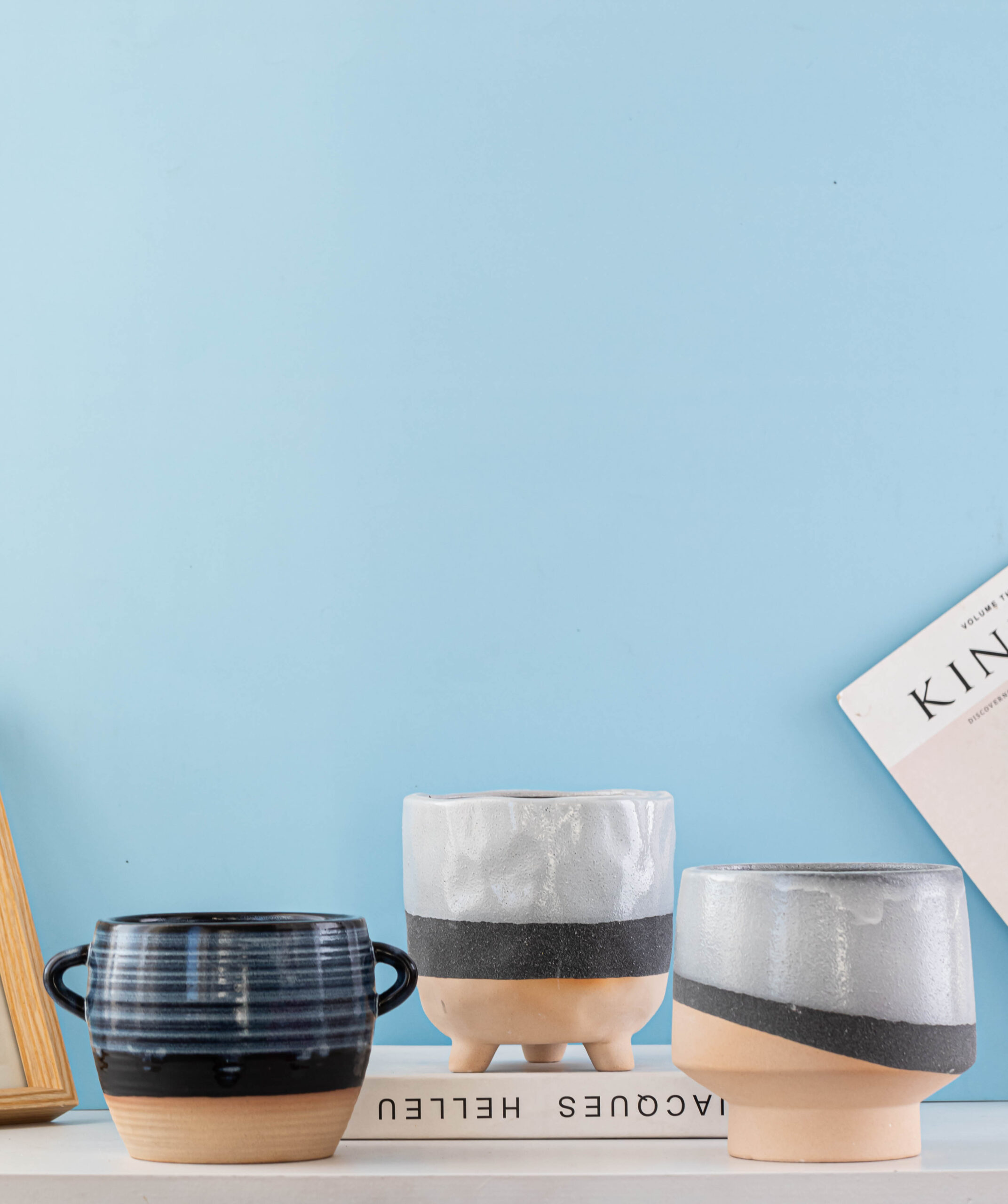
Home Decor Shelf Logic Is Where Buyers Get Serious
As an American home decor designer, I can fall for one beautiful vase very quickly.
But buyers cannot build a business from one pretty object.
That is why home decor shelf logic matters. A buyer is not only asking, “Is this product attractive?” The better question is: “Can this item sit with other products, tell one clear story, fit a price ladder, ship safely, and give the retailer a reason to reorder?”
A Red Contemporary Vase may catch attention.
A Cherry Blossom Home Accent may bring seasonal softness.
A piece of matte ceramic decor may add quiet texture.
But the shelf decides whether they belong together.
A Short Tabletop Décor Buying Guide: The Shelf Needs Rhythm
A practical tabletop décor buying guide should start with rhythm.
A good shelf usually needs:
One hero item that catches the eye.
One softer supporting piece.
One smaller add-on.
One texture anchor.
One item that gives the collection height.
One item that makes the display feel complete.
If every item is bold, the shelf feels loud. If every item is too safe, the shelf feels flat. If the color story jumps too much, buyers lose confidence.
This is why home decor assortment strategy is not about adding more SKUs. It is about giving every product a clear role.
Retail assortment planning is built around offering the right product mix through the right channels, with the right styles, colors, and sizes for the market. For home decor, that logic becomes visible on the shelf.
Why Recent U.S. Trends Need Shelf Control
Recent U.S. design coverage from Spring 2026 High Point Market pointed to draped forms, artisanal textures, Southwest influence, menswear patterns, oversized scale, and richer interior detail. These signals are useful for home decor buyers, but they still need to be translated into shelf-ready products.
A trend may look strong in one photo.
But can it work across a shelf?
A red vase may be exciting, but too much red can overpower the assortment. A cherry blossom accent may feel charming, but if the whole shelf becomes too seasonal, the buyer may see risk. Matte ceramic decor may feel calm and premium, but if every piece is matte and neutral, the shelf may lose energy.
Good shelf logic uses the trend signal without letting the trend take over.
What a Home Decor Product Sample Review Should Ask
A home decor product sample review should not only ask whether the sample looks good.
It should ask:
Does the finish work beside the other pieces?
Does the size help the shelf rhythm?
Does the product have a clear role?
Does it support the price ladder?
Does it look retail-ready under normal light?
Can it be packed safely?
Can the supplier repeat it?
A sample is not just a product preview. It is a shelf test.
How Making Depth Improves Sourcing Confidence
This is how making depth improves sourcing confidence.
A catalog can show the final product.
A workshop can explain what may go wrong.
Will the matte finish rub during shipping?
Will the red glaze stay controlled?
Will the ceramic rim chip?
Will the base sit flat?
Will the cherry blossom detail still look refined in bulk production?
MIT professor Eric von Hippel’s research on “sticky local information” explains why some product knowledge is hard to move away from the place where the work is actually done. In home decor, that knowledge often lives near the workshop: material behavior, finish control, shaping limits, packaging risk, and repeat production.
That is why a supplier with real making depth can help buyers decide which product should lead, which should support, and which should be revised before production.
TikTok Can Start the Look. Shelf Logic Decides the Order.
TikTok now moves home decor trends quickly. ELLE Decor’s 2026 TikTok interior trend coverage highlighted skirted furniture, broken floor plans, friction-maxxing, and cabbagecore as signs of more nostalgic, tactile, personality-driven interiors.
But TikTok does not answer buyer questions.
Can this become a product family?
Can the finish be repeated?
Can the shelf stay clear?
Can the product ship safely?
Can the style still work after the viral moment fades?
That is where home decor shelf logic becomes useful. It turns fast inspiration into slower, safer buying decisions.
FAQ: Home Decor Shelf Logic
What is home decor shelf logic?
Home decor shelf logic is the way buyers judge whether products work together on a retail shelf, including height, color, finish, price structure, packaging, and collection rhythm.
Why does shelf logic matter for B2B buyers?
Because buyers rarely purchase one isolated item. They need products that can be displayed, explained, shipped, sold, and reordered as part of a larger assortment.
How does a tabletop décor buying guide support shelf logic?
It helps buyers check whether a product group includes a hero item, supporting pieces, smaller add-ons, texture, height, and a clear visual story.
Why does matte ceramic decor need shelf testing?
Matte ceramic decor can look premium, but it needs the right supporting colors, textures, and shapes. Too much matte neutrality can make the shelf feel flat.
Final Thought: The Shelf Is the Real Test
A product photo creates interest.
A sample starts the conversation.
But the shelf decides whether the assortment is ready.
That is why home decor shelf logic matters in B2B sourcing. It helps buyers turn products like a Red Contemporary Vase, Cherry Blossom Home Accent, and matte ceramic decor into a collection that looks balanced, feels commercial, and has a real chance to reorder.
Leave a Reply