

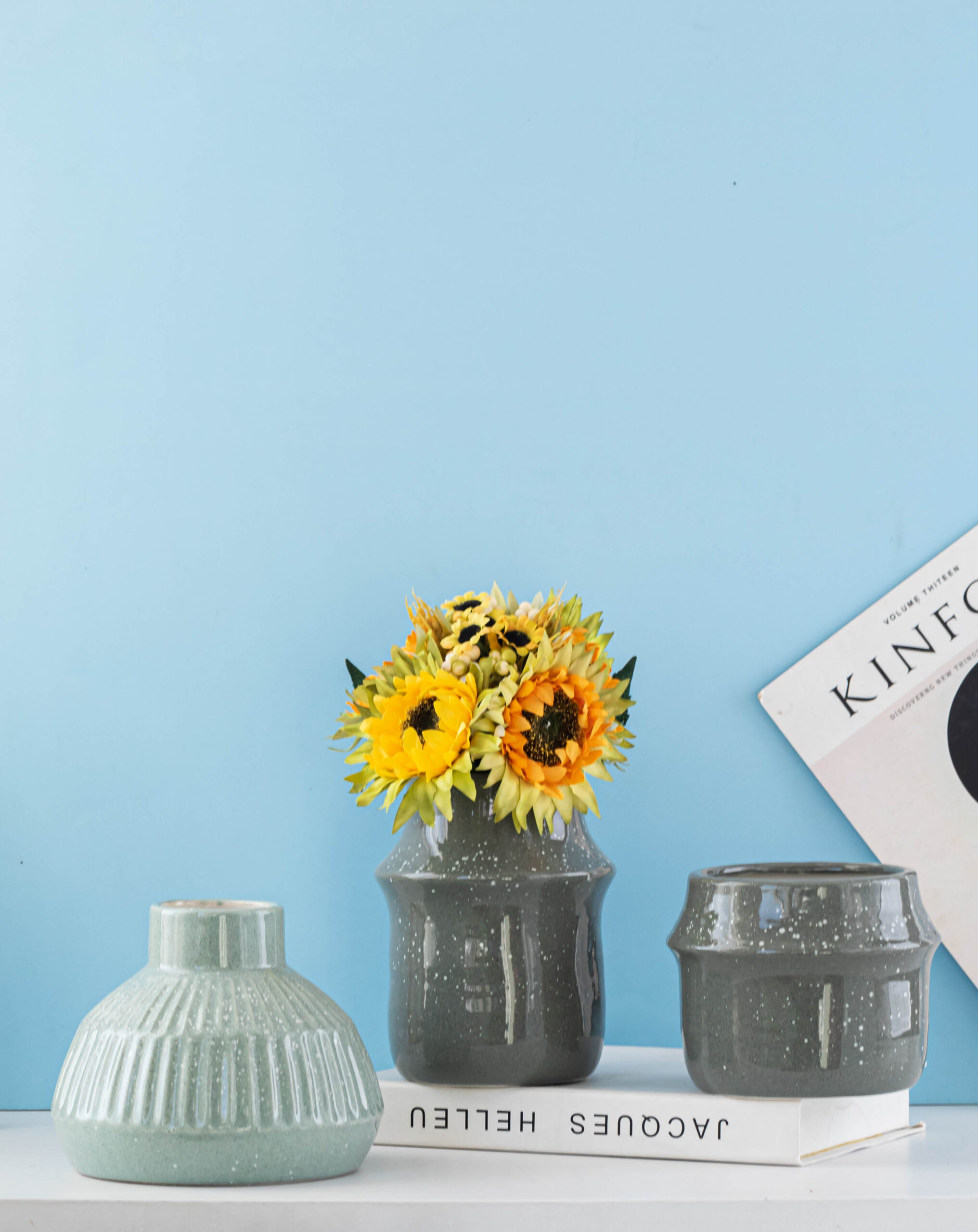
Home Decor Shelf Logic Is the Buyer’s Real Filter
As an American home decor designer, I can love a single vase in three seconds.
A buyer has to be more careful.
The buyer is not only asking, “Is this product attractive?” The better question is: “Can this product sit on a shelf with other items, support a price ladder, pack safely, and give the store a reason to reorder?”
That is why home decor shelf logic matters.
It turns a product from a nice sample into part of a profitable home decor assortment.
A Shelf Needs Roles, Not Random Products
A strong shelf usually needs rhythm.
One hero item catches attention.
One mid-size item carries the style.
One smaller add-on makes the purchase easier.
One texture anchor gives the shelf depth.
One quiet item keeps the whole group from becoming too loud.
This is the practical side of home decor assortment strategy. Retail assortment planning is about offering the right mix of products, styles, sizes, colors, and channels to meet customer demand and improve sales, cash flow, and profitability. For home decor, that “right mix” becomes visible on the shelf.
Why Customizable Size Vases Matter
For buyers, one vase is rarely enough.
Customizable size vases help build shelf rhythm. A tall vase gives height. A medium vase carries the shape. A smaller vase becomes the easy add-on. Together, they create a collection instead of a single product.
But size customization only works when the proportions still feel right.
A tall version cannot look stretched.
A small version cannot lose its character.
A wide version cannot become difficult to pack.
That is why shelf logic should be part of sample development from the beginning.
What a Home Decor Product Sample Review Should Ask
A serious home decor product sample review is not just a beauty check.
It should ask:
Does the product have a clear shelf role?
Does the finish work beside the other items?
Does the size support the collection?
Does the weight feel right for the price?
Can the item ship safely?
Can the supplier repeat it after approval?
Stanford d.school identifies Prototype and Test as core design-thinking modes. In home decor sourcing, samples work the same way: they help buyers learn before full production becomes expensive.
Why Matte Ceramic Decor Needs Shelf Testing
Matte ceramic decor can look premium, calm, and modern.
It can also make a shelf feel flat if every item has the same quiet finish.
A matte vase may need a glossier accent nearby. A neutral ceramic object may need a warmer tone beside it. A soft surface may need better protection in packaging because rubbing marks show easily.
Recent U.S. home design coverage points toward richer texture, sculptural forms, oversized scale, artisanal surfaces, and more detailed interiors. These trends create opportunity for ceramic decor, but they also require stronger shelf control.
Why Packaging Enters the Conversation Early
This is why packaging enters the conversation early.
A product is not shelf-ready if it cannot arrive safely.
A sculptural vase may need stronger inner support. A matte ceramic surface may need separation to prevent rubbing. A wide base may affect carton size. A fragile rim may change the packaging cost.
ISTA describes its work as helping organizations minimize product damage throughout distribution and optimize resource use through effective package design. That is exactly why B2B home decor buyers think about packaging before the purchase order becomes expensive.
Shelf logic and packaging logic belong in the same conversation.
TikTok Can Start the Look. Shelf Logic Decides the Order.
TikTok is now part of the home decor trend cycle. ELLE Decor’s 2026 TikTok interior trend coverage points to nostalgic, tactile, personality-driven directions such as skirted furniture, broken floor plans, friction-maxxing, and cabbagecore.
But TikTok does not answer buyer questions.
Can this become a product family?
Can the finish be repeated?
Can the shelf stay clear?
Can the product pack safely?
Can the style still make sense after the viral moment fades?
That is where home decor shelf logic turns trend energy into sourcing judgment.
FAQ: Home Decor Shelf Logic
What is home decor shelf logic?
Home decor shelf logic is the way buyers judge whether products work together on a retail shelf, including height, color, finish, function, price structure, packaging, and collection rhythm.
Why does shelf logic matter for B2B buyers?
Because buyers rarely purchase one isolated item. They need products that can be displayed, explained, shipped, sold, and reordered as part of a larger assortment.
Why are customizable size vases useful?
Customizable size vases help buyers create height rhythm, price variety, and stronger collection structure. They make one design idea easier to turn into a shelf-ready product family.
Why does matte ceramic decor need careful review?
Matte ceramic decor can look refined, but buyers need to check finish consistency, surface protection, shelf balance, and whether the collection needs contrast.
Final Thought: The Shelf Decides
A product photo creates interest.
A sample starts the conversation.
But the shelf decides whether the assortment is ready.
That is why home decor shelf logic matters in B2B sourcing. It helps buyers turn matte ceramic decor, customizable size vases, and sample ideas into assortments that look balanced, ship safely, protect margin, and have a real chance to reorder.
Leave a Reply