

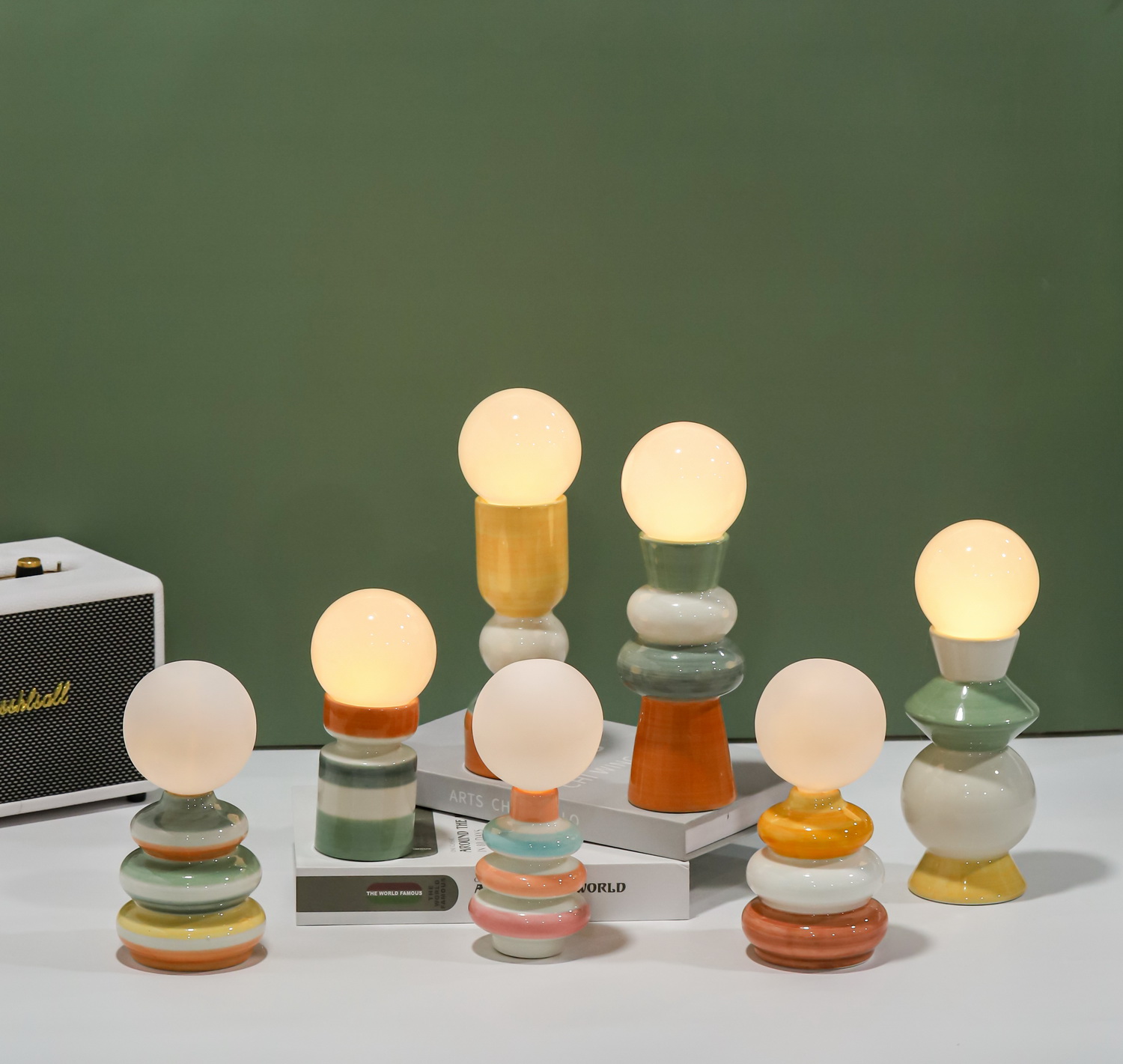
Home Décor Sourcing for Retail Buyers Starts With Product Reality
As an American home decor designer, I love a beautiful product: a small bud vase, a sculptural ceramic object, a textured tray, or a quiet tabletop accent that makes a shelf feel finished.
But retail buyers have to look beyond beauty.
They are asking:
Will this product ship safely?
Will the finish repeat?
Will the price make sense?
Will the supplier correct samples quickly?
Will the product still look good in the second order?
That is why home décor sourcing for retail buyers is not only about finding attractive products. It is about finding suppliers who can reduce risk before the order becomes expensive.
Why Buyers Trust Grounded Production Answers
This is why buyers trust grounded production answers.
A weak supplier says, “Yes, we can make it.”
A stronger supplier says:
“This glaze looks good, but this version will be easier to repeat.”
“This rim should be slightly thicker for bulk shipment.”
“This bud vase can be packed in sets, but the neck needs protection.”
“This shape may look better in the medium size than the large size.”
“This finish is attractive, but we should check rubbing risk before production.”
Retail buyers trust answers like these because they come from production reality. The supplier is not only selling a catalog item. The supplier is helping the buyer avoid a sourcing problem.
Wholesale Home Decor Materials Matter More Than the Product Photo
Buyers should never treat wholesale home decor materials as a small spec hidden at the bottom of a product sheet.
Materials affect everything:
weight,
finish,
breakage risk,
packaging,
shelf feel,
freight cost,
and reorder consistency.
For ceramic décor, material choice matters even more. A vase may look beautiful in a photo, but if the clay body is too heavy, the rim too thin, or the glaze too unstable, the buyer may only discover the problem after the order is already moving.
A good supplier explains the material before the buyer has to guess.
What Retail Buyers Should Expect From a Ceramic Decor Supplier
A serious ceramic decor supplier should help buyers understand product risk early.
For ceramic décor sourcing, buyers should ask:
Can the approved sample be repeated?
What finish variation is acceptable?
Does the base sit flat?
Does the rim need extra protection?
Will the product fit the target price after packaging?
Can the supplier support reorder timing?
This matters for bud vase wholesale, tabletop décor, ceramic trays, candle holders, and decorative objects. Small products can still create big problems if the finish shifts, the packaging fails, or the supplier cannot repeat the approved sample.
How a Craft Region Shortens the Correction Cycle
This is how a craft region shortens the correction cycle.
A craft region usually has production memory. Makers have seen similar problems many times before: glaze variation, rim chipping, unstable bases, surface rubbing, packing pressure, and product shapes that look beautiful but travel badly.
That means sample corrections can move faster.
Instead of guessing, the supplier can say:
“The issue is not only the color. It is the firing result.”
“The shape is strong, but the base needs adjustment.”
“The surface looks good, but it needs better carton separation.”
“The vase is attractive, but this size is safer for retail buyers.”
That kind of correction is practical. It helps buyers move from sample problem to production-ready product faster.
Why Recent U.S. Home Trends Need Better Sourcing Judgment
Recent U.S. home design coverage continues to point toward richer texture, sculptural shapes, artisanal surfaces, oversized scale, and more personality-driven interiors.
That creates opportunity for ceramic décor, bud vases, tabletop accessories, mirrors, and small home accents.
But stronger trends also create stronger sourcing risk.
A sculptural vase may be harder to pack.
A tactile finish may be harder to repeat.
A handmade-looking surface may need clearer quality control.
A bold shape may look good in one photo but fail on a real retail shelf.
Retail buyers do not need every trend at full volume. They need the part of the trend that can become a stable, shelf-ready product.
TikTok Can Create Interest. Sourcing Still Decides the Order.
TikTok now moves home decor taste quickly. A shape, color, surface, or room style can enter buyer conversations almost overnight.
But TikTok does not answer retail sourcing questions.
Can the product be repeated?
Can it ship safely?
Can it fit a small assortment?
Can the supplier support a second order?
Can the trend survive beyond one viral moment?
That is where supplier judgment matters. A good supplier helps buyers translate trend energy into products that can actually be made, packed, shipped, and reordered.
A Practical Sourcing Checklist for Retail Buyers
Before placing a home decor order, retail buyers should ask:
Does the product have a clear shelf role?
Does the material support the shape?
Is the finish repeatable?
Can the product be packed safely?
Does the supplier explain risk clearly?
Can the sample be corrected quickly?
Does MOQ and lead time make sense for reorder?
Can this product become part of a small but profitable assortment?
Good sourcing is not about saying yes to more products.
It is about saying yes to the right products.
FAQ: Home Décor Sourcing for Retail Buyers
What does home décor sourcing for retail buyers mean?
Home décor sourcing for retail buyers means selecting products and suppliers that can support retail needs, including style, quality, packaging, price, MOQ, lead time, and reorder consistency.
Why do buyers trust grounded production answers?
Buyers trust grounded production answers because they show real making experience. They help buyers understand material limits, finish risks, packaging needs, and sample corrections before production.
Why does a ceramic decor supplier need production knowledge?
Ceramic décor depends on clay body, glaze, firing, shape, surface, and packaging. Production knowledge helps prevent problems before bulk orders begin.
Why does bud vase wholesale need careful sourcing?
Bud vases may be small, but they often have narrow necks, delicate rims, glazed surfaces, and set-packing needs. Buyers should check finish, size, rim protection, and carton stability.
Final Thought: Retail Buyers Source Confidence, Not Just Products
A product photo creates interest.
A sample starts the conversation.
But real sourcing confidence comes from grounded production answers, material judgment, packaging awareness, and fast sample correction.
That is why home décor sourcing for retail buyers should focus on more than product selection. It should focus on supplier judgment.
A beautiful product may win attention once.
A well-sourced product gives the buyer a reason to reorder.
Leave a Reply