

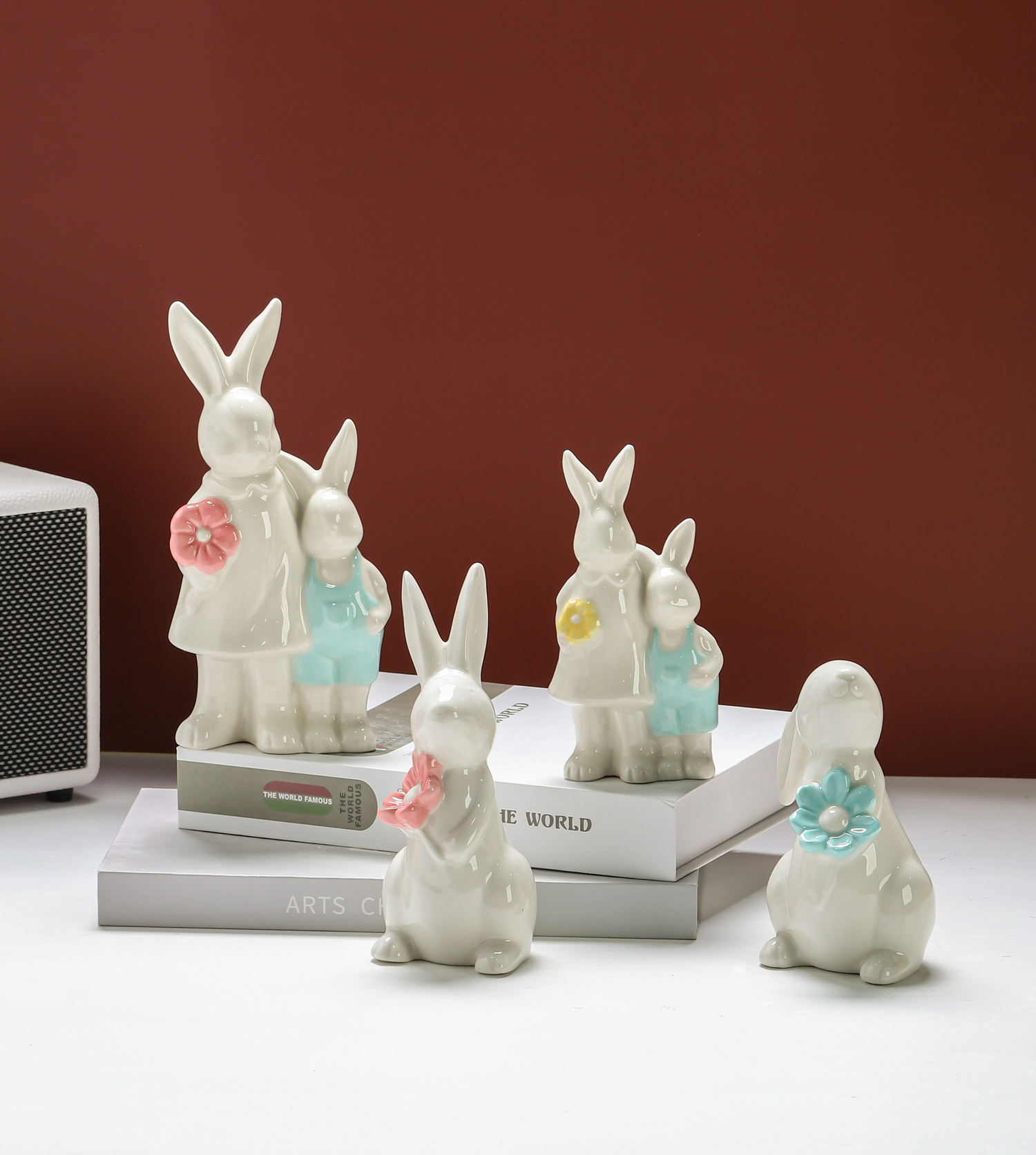
Wholesale Home Decor Materials Are Not Just Technical Details
As an American home decor designer, I can love a vase for its shape. But when I look at it like a buyer, I always ask one more question:
What is this product really made to survive?
That is why wholesale home decor materials matter. Material choice affects finish, weight, packaging, shelf presence, shipping risk, and reorder confidence.
For buyers sourcing wholesale ceramic vases, trays, candle holders, tabletop accents, or sculptural objects, the material is not a background detail. It is the first sign of whether the product can become retail-ready.
A Short Ceramic Décor Buying Guide for B2B Buyers
A practical ceramic décor buying guide should not only ask, “Does it look beautiful?”
It should ask:
Does the ceramic body support the shape?
Does the glaze look repeatable?
Does the surface feel premium in real light?
Does the weight match the price point?
Can the product be packed safely?
Can the finish survive handling, shipment, and display?
Stanford d.school identifies Prototype and Test as key design-thinking modes, which fits ceramic sourcing well: samples help buyers learn before committing to production.
Why Material Knowledge Helps Reduce Sourcing Risk
To reduce sourcing risk home decor buyers need more than catalog photos.
They need material judgment.
A vase may look perfect in a rendering, but a workshop can tell whether the clay body is too heavy, the rim is too thin, the base may wobble, or the finish may show rubbing inside the carton.
MIT professor Eric von Hippel’s work on “sticky local information” explains why some useful problem-solving knowledge is costly to transfer away from the place where work is actually done. In home decor, that often means material behavior, finish control, forming limits, and packaging risk live close to the workshop floor.
That is why buyers should care about supplier material knowledge, not just product photos.
A Tabletop Décor Buying Guide Should Start With Shelf Role
A good tabletop décor buying guide should connect material to shelf role.
A matte ceramic vase may be the calm anchor.
A glossy candle holder may add contrast.
A textured tray may give the shelf depth.
A small decorative object may become the easy add-on.
The question is not only “Which material looks nice?”
The better question is: “Which material helps the whole assortment sell?”
This is especially important for an online home decor seller supplier. Online buyers cannot touch the product before purchase, so the material story, finish consistency, photography, packaging, and product description must all work harder.
Why Recent U.S. Trends Make Materials More Important
Recent U.S. home trend coverage points toward richer texture, natural materials, sculptural forms, and more personality in interiors. Architectural Digest’s Spring 2026 High Point Market recap highlighted draped forms, artisanal textures, oversized scale, menswear patterns, and more detailed interiors.
That trend direction is good for ceramic décor.
But it also raises the bar.
If texture, glaze, and material are the selling points, buyers need to know whether those materials can be repeated, packed, shipped, and reordered without surprises.
What a Custom Ceramic Vase Supplier Should Help Buyers Decide
A strong custom ceramic vase supplier does not only ask, “What shape do you want?”
A better supplier helps buyers decide:
Which clay body fits the size?
Which glaze is stable enough for bulk production?
Which finish works better for U.S. retail lighting?
Which size should be the hero item?
Which smaller vase can support the price ladder?
Which packaging method protects the rim, surface, and base?
This is how material knowledge turns into buyer confidence.
TikTok Can Create Interest. Materials Decide If It Becomes a Product.
TikTok continues to influence home decor taste. ELLE Decor reported 2026 TikTok interior trends such as skirted furniture, broken floor plans, friction-maxxing, and cabbagecore, all pointing toward nostalgic, tactile, personality-driven interiors.
But TikTok does not answer sourcing questions.
Can this surface be repeated?
Can the ceramic finish survive packaging?
Can the product ship safely?
Can the material support the shape?
Can the trend become a product family?
That is where material judgment matters.
FAQ: Wholesale Home Decor Materials
What are wholesale home decor materials?
Wholesale home decor materials are the core materials used in B2B decorative products, including ceramic, resin, glass, metal, wood, mirror, stone-look finishes, woven materials, and mixed-media surfaces.
Why do materials matter for ceramic décor sourcing?
Materials affect shape stability, finish result, weight, packaging, breakage risk, cost, and whether the product can be repeated in bulk production.
How can buyers reduce sourcing risk in home decor?
Buyers can reduce risk by reviewing samples carefully, asking about material behavior, checking packaging requirements, confirming finish stability, and working with suppliers who explain production limits early.
What should buyers ask a custom ceramic vase supplier?
Buyers should ask about clay body, glaze stability, sample revision, packaging method, size range, MOQ, lead time, and whether the approved sample can be repeated in production.
Final Thought: Material Is Where the Real Product Starts
A product photo creates interest.
A sample starts the conversation.
But material decides whether the product can survive production, packaging, shipment, display, and reorder.
That is why wholesale home decor materials should be part of every serious B2B sourcing conversation. The right material choice helps buyers reduce sourcing risk, build stronger tabletop assortments, and turn ceramic décor ideas into products that can actually sell again.
Leave a Reply