

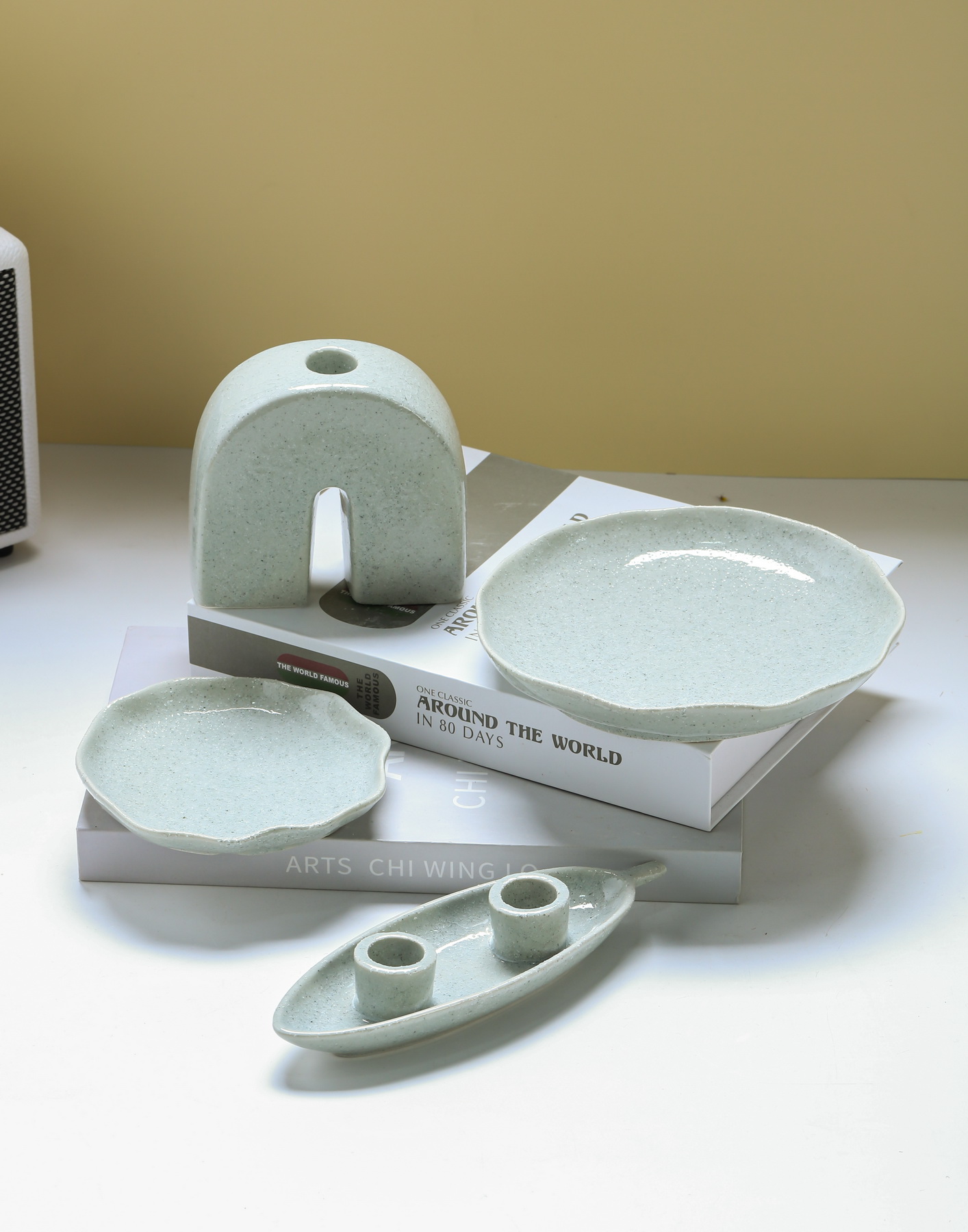
Reorder-Friendly Home Decor Starts Before the First Order
As an American home decor designer, I love a strong first impression: a porcelain vase with a clean silhouette, a ceramic accent with a soft glaze, a tabletop piece that makes a shelf feel complete.
But retail buyers have to think beyond the first order.
They ask:
Can this product be made again?
Can the finish stay consistent?
Can the carton protect it again?
Can the supplier prepare the same documents again?
Can the second order feel easier than the first?
That is why reorder-friendly home decor matters. A product is not truly valuable just because one sample looks good. It becomes valuable when the buyer can reorder it with confidence.
Why Buyers Trust Grounded Production Answers
This is why buyers trust grounded production answers.
A weak supplier says, “Yes, no problem.”
A stronger supplier says:
“This glaze is attractive, but this version will repeat more safely.”
“This porcelain vase needs a stronger rim before bulk shipment.”
“This matte surface may need better carton separation.”
“This shape works well as the hero item, but the collection needs a smaller add-on.”
“This packing method should be confirmed before the third-party inspection.”
Buyers trust this kind of answer because it is specific. It sounds like production experience, not sales language.
In B2B sourcing, trust comes from suppliers who explain risk before the buyer pays for it.
Ceramic Decor Wholesale Needs Repeatable Decisions
For ceramic decor wholesale, reorder-friendly sourcing depends on repeatability.
A ceramic product includes many risk points:
clay body,
glaze behavior,
firing result,
surface finish,
rim strength,
base balance,
packaging,
and approved sample control.
A vase may look beautiful once. But if the second shipment looks different, the buyer loses confidence.
That is why a serious supplier should help buyers define acceptable finish range, sample reference, carton method, and reorder expectations before bulk production begins.
Porcelain Vase Wholesale: Elegance Still Needs Control
For porcelain vase wholesale, the product may look refined and clean, but buyers still need practical answers.
Can the surface stay clean after firing?
Can the body support the shape?
Can the white tone or glaze remain consistent?
Can the carton protect the rim?
Can the second order match the first approved sample?
A porcelain vase is not only a design object. It is material, firing, finish, packaging, inspection, and reorder control.
Reorder-friendly sourcing makes those details visible before the buyer commits.
What a Home Decor Product Development Team Should Do
A strong home decor product development team does not only make samples.
It helps buyers make better sourcing decisions.
That means the team should help review:
which product should be the hero item,
which SKU should support the price ladder,
which finish is safer for repeat orders,
which packaging method protects the surface,
which size may create freight or carton pressure,
and which product should not move forward yet.
Good product development is not about adding more SKUs. It is about making the right SKUs easier to produce, pack, sell, and reorder.
Where Third-Party Inspection Support Fits
Third-party inspection support can give buyers more confidence before shipment.
But inspection works best when the supplier has already controlled the product.
An inspector can check visible defects, size, color, carton marks, packaging condition, and whether goods match the approved standard. But a good supplier should not wait for inspection to discover obvious problems.
The better sequence is:
sample review,
production correction,
packaging confirmation,
internal control,
third-party inspection support,
shipment,
and reorder tracking.
Inspection should confirm control, not replace it.
Why Compliance Documents for Importers Matter
For retail buyers, compliance documents for importers are part of sourcing confidence.
A buyer may need commercial invoices, packing lists, product descriptions, carton information, material details, and other import-related documents depending on the product and destination market.
For home decor, documentation matters because the buyer is not only moving goods. The buyer is managing internal purchasing, customs clearance, warehouse receiving, retail planning, and reorder records.
A supplier that prepares documents clearly helps the buyer reduce friction after the product leaves the factory.
Why Recent U.S. Trends Make Reorder-Friendly Products More Valuable
Recent U.S. home design signals continue to point toward sculptural forms, tactile surfaces, richer materials, expressive interiors, and more personality in home styling.
That creates opportunity for ceramic vases, porcelain accents, decorative objects, and tabletop collections.
But stronger trends also create stronger sourcing risk.
A sculptural vase may be harder to pack.
A delicate porcelain surface may need better protection.
A tactile finish may be harder to repeat.
A trend-driven SKU may sell once but fail the reorder test.
Social media can make a style feel urgent. But it cannot answer the buyer’s real question:
Can this product come back again?
That is where reorder-friendly sourcing matters.
A Practical Reorder-Friendly Checklist
Before approving a home decor item, buyers should ask:
Can the approved sample be repeated?
Is the finish range clearly defined?
Does the product have a clear role in the collection?
Is the packaging method confirmed?
Can third-party inspection be supported?
Are import documents prepared clearly?
Can MOQ and lead time support reorder?
Does the supplier explain risks before being asked?
A reorder-friendly product is not an accident. It is built through product development, production memory, packaging control, inspection support, and clear documentation.
FAQ: Reorder-Friendly Home Decor
What does reorder-friendly home decor mean?
Reorder-friendly home decor means products that can be produced, packed, shipped, inspected, documented, and repeated with consistency after the first order.
Why does reorder-friendly sourcing matter for retail buyers?
Because buyers do not only need products that sell once. They need items that can be restocked without major finish, packaging, quality, or documentation problems.
Why do buyers trust grounded production answers?
Buyers trust grounded production answers because they reveal real making experience. They help buyers understand what may fail, what should be revised, and what can be repeated.
Why does third-party inspection support matter?
Third-party inspection support gives buyers another layer of shipment confidence by checking goods against agreed standards before delivery.
What compliance documents do importers usually care about?
Importers commonly care about commercial invoices, packing lists, product descriptions, carton details, material information, and other documents required by the destination market or buyer process.
Final Thought: The Second Order Proves the Product
A product photo creates interest.
A sample starts the conversation.
The first order tests demand.
But the second order proves whether the product was developed correctly.
That is why reorder-friendly home decor should be the goal of B2B sourcing. It helps buyers turn ceramic decor wholesale, porcelain vase wholesale, product development, inspection support, and import documentation into one reliable buying system.
A beautiful product can sell once.
A reorder-friendly product can become part of the buyer’s business.
Leave a Reply