

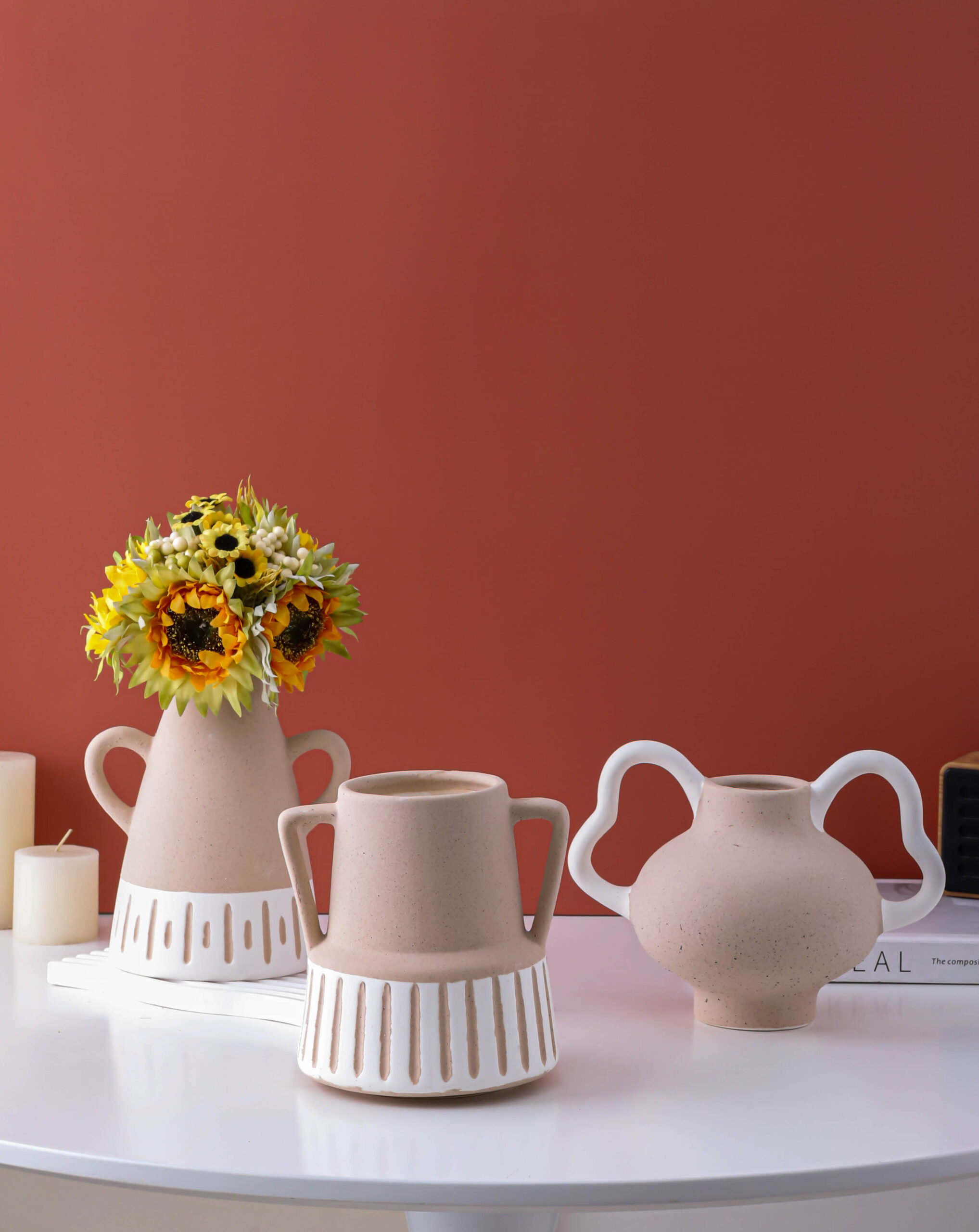
Packaging Stability Home Decor Buyers Should Treat as Product Development
As an American home decor designer, I love ceramic decor with character: hand-shaped edges, warm glazes, textured surfaces, and sculptural silhouettes.
But buyers cannot stop at “beautiful.”
They have to ask: will this product survive the real journey from workshop to warehouse, from carton to shelf, and from first order to reorder?
That is why packaging stability home decor matters. Packaging is not just a shipping detail. For B2B buyers, it protects the product, the finish, the margin, the retail presentation, and the buyer’s trust.
A vase that looks perfect in a sample room but arrives chipped is not a design success.
It is a sourcing problem.
Why Direct From Factory Ceramic Decor Needs Packaging Thinking Early
When buyers source direct from factory ceramic decor, they often expect better control over price, samples, finishes, and lead time.
That can be true.
But factory-direct sourcing only becomes valuable when the factory understands the full product system: material, shape, finish, packaging, carton structure, and repeat production.
For wholesale ceramic vases, packaging should be discussed during sample development, not after the purchase order is already approved.
Buyers should ask:
Will the rim chip?
Will the glaze rub inside the carton?
Will the base stay stable?
Will the surface mark during transit?
Will the carton survive stacking, handling, and warehouse movement?
ISTA notes that many package test protocols begin by defining product damage tolerance and package degradation allowance before testing begins. For fragile home decor, that means buyers and suppliers should agree early on what kind of damage is unacceptable.
Why Heritage Craft Home Decor Sourcing Still Needs Modern Carton Logic
Heritage craft home decor sourcing gives buyers something valuable: material character, hand-finished surfaces, local making knowledge, and products that do not feel like flat catalog copies.
But craft value must be protected.
A hand-finished ceramic vase loses value if the finish rubs in transit. A textured surface loses trust if it arrives scratched. A sculptural piece becomes risky if the packaging cost destroys the price structure.
This is where packaging stability becomes part of home decor product development.
The more value a product carries in shape, surface, and finish, the more the carton has to protect the design story.
How Home Decor Trends Become Shelf Ready Products
Recent U.S. home trend coverage from Spring 2026 High Point Market points toward draped forms, artisanal textures, Southwest influence, menswear patterns, oversized scale, and more detailed interiors. These are useful signals for ceramics, vases, sculptural accents, and craft-led home decor, but they still need to be translated into products that can be made, packed, shipped, displayed, and reordered.
That is how home decor trends become shelf ready products.
A trend starts as a visual signal.
Then the factory has to answer:
Can the clay body hold the shape?
Can the glaze be repeated?
Can the finish survive packing?
Can the carton protect the rim?
Can the item still hit the target landed cost?
Can the buyer reorder without starting over?
That is the difference between a trend idea and a real B2B product.
Why Workshop Reality Makes Packaging Decisions Smarter
A product photo shows the best version of the product.
A workshop shows the weak points.
That is why serious buyers care about factory feedback. A strong supplier can say:
“This rim needs stronger protection.”
“This matte finish may rub if packed too tightly.”
“This vase shape needs a more stable inner structure.”
“This texture looks good, but we should separate surfaces inside the carton.”
“This design is beautiful, but the packaging cost may affect the price ladder.”
Stanford d.school identifies Prototype and Test as core parts of design thinking. In home decor sourcing, the same logic applies: samples and packaging trials help buyers learn before production becomes expensive.
TikTok Can Create Demand. Packaging Decides Whether It Becomes Business.
TikTok is now part of the home decor trend cycle. ELLE Decor reported that TikTok is accelerating interior design trends, with 2026 signals such as skirted furniture, broken floor plans, friction-maxxing, and cabbagecore showing how quickly tactile, nostalgic, personality-driven interiors can enter buyer conversations.
But TikTok does not answer sourcing questions.
Can the finish be repeated?
Can the product ship safely?
Can the vase survive warehouse handling?
Can the carton protect the surface?
Can the style still make sense after the viral moment fades?
Packaging stability turns trend energy into buying confidence.
What Buyers Should Check Before Approving Ceramic Packaging
Before approving packaging for wholesale ceramic vases or decorative objects, buyers should check:
Rim and edge protection.
Surface separation.
Base stability.
Inner carton structure.
Carton strength.
Stacking risk.
Rubbing risk.
Finish protection.
Whether the packaging cost still supports the target price.
A product that looks good but ships badly is not truly retail-ready.
FAQ: Packaging Stability Home Decor
What does packaging stability home decor mean?
Packaging stability home decor means designing and reviewing packaging so decorative products can survive shipping, handling, warehouse movement, and retail display without damage to the body, finish, edges, or presentation.
Why does packaging stability matter for wholesale ceramic vases?
Wholesale ceramic vases often have fragile rims, heavy bodies, textured finishes, matte or glossy surfaces, and sculptural shapes. Packaging must protect both the ceramic body and the visible finish.
How does factory-direct sourcing improve packaging decisions?
Factory-direct sourcing can connect sample development, material judgment, production feedback, and packaging review earlier, helping buyers catch risks before bulk production.
Why does heritage craft home decor sourcing need packaging discipline?
Craft-led products often carry value in surface, texture, and finish. If packaging does not protect those details, the product loses commercial value before it reaches the shelf.
Final Thought: The Carton Is Part of the Product
A product photo creates interest.
A sample starts the conversation.
But packaging proves whether the product is ready for business.
That is why packaging stability home decor should enter the sourcing conversation early. It helps buyers protect direct from factory ceramic decor, wholesale ceramic vases, craft finishes, margins, and the possibility of a second order.
Leave a Reply