

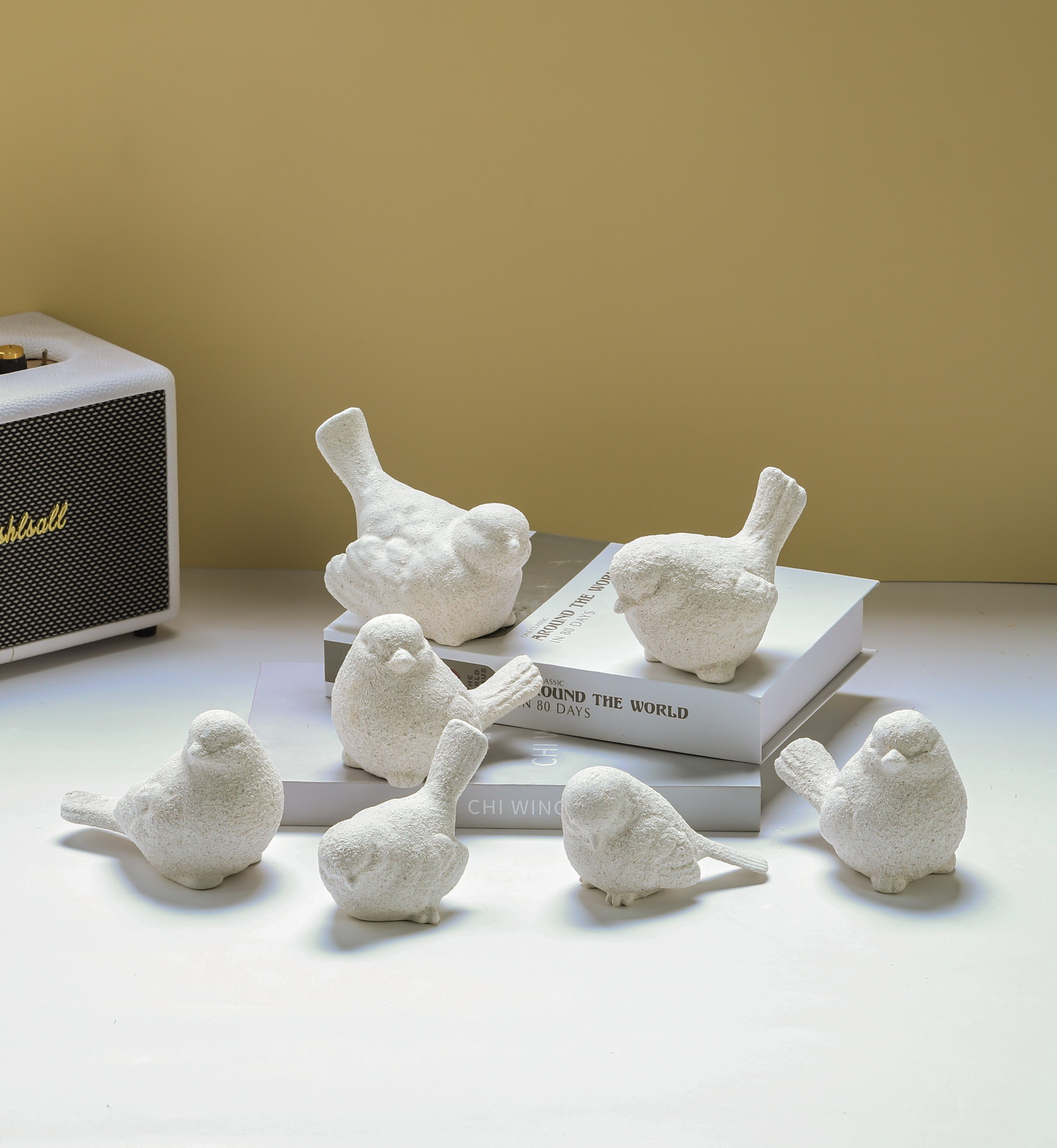
What Production Memory Really Changes
As an American home decor designer, I have heard every supplier promise in the book.
“Yes, we can make it.”
“Yes, we can adjust the finish.”
“Yes, we can pack it safely.”
“Yes, this style is popular.”
But retail buyers do not build trust from quick yeses.
They build trust from grounded answers.
That is what production memory really changes. A supplier with production memory remembers what happened in past samples, past glazes, past cartons, past shipments, and past reorders. That memory helps the buyer avoid repeating the same mistake.
For home décor sourcing for retail buyers, this matters more than a polished catalog.
A beautiful product starts the conversation. Production memory protects the order.
Why Production Memory Matters in Ceramic Decor
For handcrafted ceramic decor wholesale, product memory can change everything.
A supplier with real production memory can explain:
which rim may chip,
which glaze may shift,
which base may wobble,
which surface may rub during packing,
which shape may look good but fail in shipping,
and which finish can be repeated in the second order.
This is especially important for ceramic planters wholesale, pottery home decor wholesale, and tabletop ceramics, where the buyer is not only buying style. They are buying material behavior, finish control, packaging stability, and repeatability.
MIT professor Eric von Hippel’s research on “sticky local information” helps explain why this kind of knowledge often stays close to where the work happens. Some problem-solving information is difficult to transfer away from the people and places working directly with the product.
Where Packaging Awareness Begins Before Shipping
This is where packaging awareness begins before shipping: not at the warehouse, but at the sample table.
A supplier with production memory does not wait until the carton is printed to think about packaging.
They ask early:
Will the planter’s rim need extra protection?
Will the vase surface rub inside the carton?
Can multiple pieces be packed safely?
Will the product move during transit?
Will the packaging cost still fit the buyer’s price structure?
ISTA explains that package test planning often begins by defining product damage tolerance and package degradation allowance before testing. For fragile home decor, that means buyers and suppliers should decide early what kind of damage is unacceptable—not after the shipment has already failed.
What Tabletop Vase Manufacturers Should Know Before Sampling
Good Tabletop Vase Manufacturers do not only make the shape a buyer requests.
They help the buyer understand whether the shape makes sense.
A tabletop vase may be small, but the sourcing questions are not small:
Will it sit flat?
Will the glaze look controlled in real light?
Will the surface show fingerprints or rubbing?
Can the rim survive shipment?
Can the product work as part of a small assortment?
Can the buyer reorder it without starting over?
Production memory helps answer these questions before the buyer spends money correcting the wrong thing.
How Recent Home Trends Make Production Memory More Valuable
Recent U.S. home trend coverage points toward more expressive, personal, tactile interiors. ELLE Decor reported that TikTok is accelerating interior design cycles, with 2026 trends such as skirted furniture, broken floor plans, friction-maxxing, and cabbagecore showing how quickly nostalgic and sensory design ideas can enter buyer conversations.
These trend signals are useful.
They also create sourcing risk.
A handcrafted surface may look beautiful, but can it be repeated?
A sculptural planter may feel current, but can it ship safely?
A textured vase may photograph well, but will the finish rub in the carton?
Production memory helps buyers turn trend interest into product judgment.
Why Retail Buyers Trust Grounded Production Answers
Retail buyers trust suppliers who can say more than “yes.”
They trust answers like:
“This glaze is attractive, but this version will repeat more safely.”
“This planter shape needs a wider base.”
“This tabletop vase should be packed with surface separation.”
“This handmade detail is good, but the variation range needs to be controlled.”
“This product can be the hero item, but the assortment needs one simpler add-on.”
That kind of answer shows the supplier is thinking beyond the sample.
It shows the supplier understands production, packaging, shelf logic, and reorder risk.
How Production Memory Helps Correct Samples Faster
A supplier without production memory may need several rounds to understand a problem.
A supplier with production memory recognizes patterns faster.
If the glaze looks dull, they may know it is a firing issue.
If the base wobbles, they may know the shape needs adjustment.
If the rim chips, they may know the edge is too thin.
If the carton fails, they may know the product is moving inside the box.
Stanford d.school’s Prototype and Test framework supports this kind of learning-before-commitment approach: prototypes help teams test ideas, learn from them, and improve before full investment.
For home decor buyers, the sample is not the final product.
It is where production memory starts proving its value.
A Practical Buyer Checklist
Before sourcing handcrafted ceramic decor, pottery home decor, ceramic planters, or tabletop vases, buyers should ask:
Can the supplier explain what usually goes wrong with this product type?
Can the approved sample be repeated?
Does the packaging protect the finish?
Does the supplier know the acceptable variation range?
Can the product be corrected quickly?
Can the supplier support the second order?
These questions separate catalog suppliers from production partners.
FAQ: What Production Memory Really Changes
What does production memory mean in home decor sourcing?
Production memory means the supplier’s accumulated experience from past samples, past production runs, past packaging problems, past corrections, and past reorders.
Why does production memory matter for ceramic products?
Ceramic products depend on clay body, glaze, firing, shaping, surface finish, and packaging. Production memory helps identify risks before bulk production.
Where does packaging awareness begin before shipping?
Packaging awareness begins during product development and sample review. Shape, finish, rim strength, surface protection, carton structure, and damage tolerance should be considered before production is finalized.
Why should retail buyers care about production memory?
Retail buyers care because production memory reduces guessing. It helps suppliers explain risk, correct samples faster, protect packaging, and support reorder consistency.
Final Thought: Production Memory Is Buyer Protection
A product photo creates interest.
A sample starts the conversation.
But production memory tells the buyer whether the supplier has seen enough real problems to protect the order.
That is what production memory really changes in B2B home decor sourcing. It turns supplier experience into faster correction, safer packaging, better material decisions, and stronger reorder confidence.
Buyers do not only trust the supplier who says yes.
They trust the supplier who knows what can go wrong before it does.
Leave a Reply