

Home Décor Sourcing for Retail Buyers Starts With Risk Control
As an American home decor designer, I love a beautiful product: a handmade ceramic vase, a soft upholstered bench, a textured tray, a sculptural object, or a tabletop accent that makes a shelf feel fresh.
But retail buyers have to think past the first impression.
They ask:
Will this product ship safely?
Will the finish repeat?
Will the supplier correct samples quickly?
Will the documentation be clean?
Will the product still make sense when we reorder?
That is why home décor sourcing for retail buyers is not only about finding pretty products. It is about choosing suppliers who help reduce sourcing risk before the order becomes expensive.
Reorder-Friendly Home Decor Is the Real Goal
The first order tests interest.
The second order tests whether the product was developed correctly.
That is why reorder-friendly home decor matters. A product should not only look good once in a sample room. It should be stable enough to make again, pack again, ship again, and sell again.
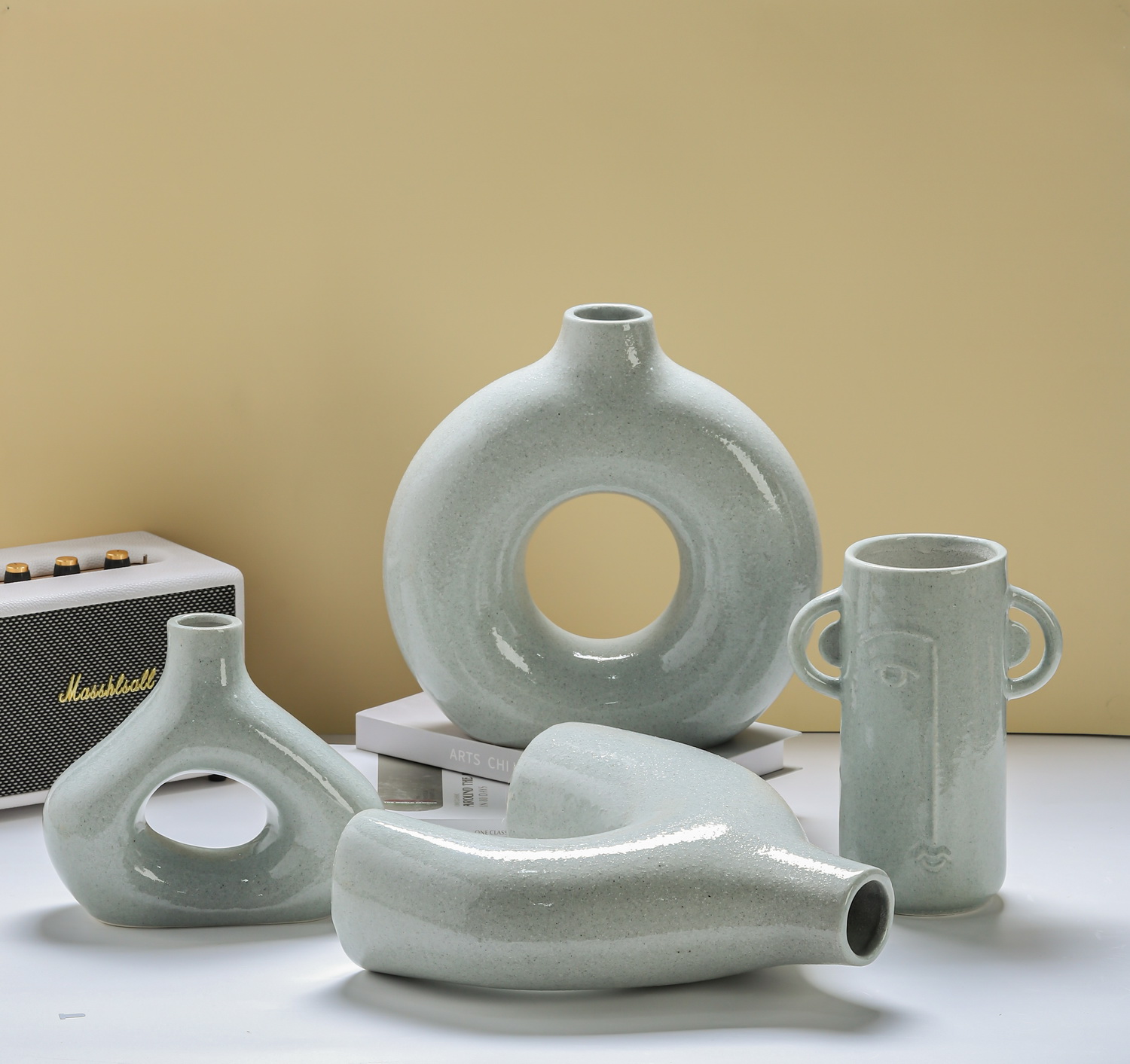
For ceramic décor, this means the glaze should stay within an acceptable range. The base should sit flat. The rim should not create repeated damage risk. The carton should protect the product without destroying margin.
For soft goods, the same logic applies. Any serious ottomans and benches buying guide should consider fabric durability, frame stability, foam comfort, leg protection, carton size, and repeat-order consistency.
Different category, same buyer concern: can this product come back without starting over?
Why Buyers Trust Grounded Production Answers
This is what production memory really changes.
A supplier with production memory does not only say, “Yes, we can make it.”
A stronger supplier says:
“This glaze is beautiful, but this version will be easier to repeat.”
“This handmade ceramic vase needs better rim protection.”
“This bench leg should be packed separately.”
“This size works better for online selling.”
“This product can be the hero item, but the assortment needs one smaller add-on.”
Retail buyers trust answers like these because they sound grounded in actual production. They help the buyer understand what can be made, what should be revised, and what may become a problem later.
What a Ceramic Decor Supplier Should Help Buyers Decide
A serious ceramic decor supplier should not only provide catalog items.
It should help buyers make product decisions.
For handmade ceramic vase wholesale, buyers should ask:
Can the finish be repeated?
What level of handmade variation is acceptable?
Can the rim survive bulk shipment?
Does the product need surface protection?
Can the approved sample become a stable production reference?
A handmade look is valuable only when it stays inside a commercial range. Buyers want character, not chaos.
How a Craft Region Shortens the Correction Cycle
This is how a craft region shortens the correction cycle.
In a craft region, makers have usually seen the same problems many times: glaze variation, rim chipping, unstable bases, surface rubbing, weak inner packaging, and shapes that look beautiful but travel badly.
That experience helps the supplier correct faster.
Instead of guessing through multiple rounds, a workshop can often say:
“The issue is the firing result.”
“The base needs adjustment.”
“The texture needs better surface protection.”
“The large size is risky, but the medium size is safer.”
That is not just craft tradition. It is practical production memory.
Export Compliance Home Decor Supplier: Why Documentation Matters
An export compliance home decor supplier helps buyers avoid another kind of risk: operational friction.
Retail buyers do not only need the product made. They need the shipment handled cleanly.
That means clear product information, carton details, labeling, packing lists, commercial invoices, shipment coordination, and communication before problems become urgent.
For fragile or mixed-category home decor orders, export coordination matters even more. A shipment may include ceramic vases, wall décor, benches, ottomans, trays, and small accessories. Each category has different packaging needs, carton logic, and handling risk.
A good supplier makes those details visible early.
How to Reduce Sourcing Risk Home Decor Buyers Face
To reduce sourcing risk home decor buyers should look for suppliers who can answer practical questions before production:
Can the material support the shape?
Can the finish repeat?
Can the sample be corrected quickly?
Can the packaging protect the product?
Can MOQ and lead time support reorder?
Can export documents be prepared clearly?
Can the supplier explain risk instead of hiding it?
Retail buyers are not only buying products. They are buying fewer surprises.
Why Recent U.S. Trends Make Better Sourcing More Important
Recent U.S. home trends point toward more sculptural forms, artisanal textures, oversized scale, tailored upholstery, and expressive interiors. These directions create strong opportunities for ceramic décor, handmade vases, ottomans, benches, and mixed home assortments.
But stronger trends also create stronger sourcing risk.
A sculptural vase may be harder to pack.
A handmade finish may be harder to repeat.
A bold bench may need stronger carton protection.
A trend-driven product may sell once but fail the reorder test.
TikTok can move home decor taste quickly, but social media does not answer the buyer’s sourcing questions.
Can it be made again?
Can it ship safely?
Can the supplier support the next order?
That is where supplier judgment matters.
A Practical Checklist for Retail Buyers
Before placing a home décor order, retail buyers should ask:
Does the product have a clear shelf role?
Can the supplier explain production risk?
Can the sample be revised quickly?
Is the product reorder-friendly?
Does the packaging protect both product and margin?
Are MOQ and lead time realistic?
Can the supplier support export compliance?
Does the product belong in a small but profitable assortment?
Good sourcing is not about saying yes to more products.
It is about saying yes to products that can survive the whole buying journey.
FAQ: Home Décor Sourcing for Retail Buyers
What does home décor sourcing for retail buyers mean?
Home décor sourcing for retail buyers means selecting products and suppliers that can support retail needs, including style, quality, packaging, MOQ, lead time, export documentation, and reorder consistency.
Why does reorder-friendly home decor matter?
Because buyers do not only need products that sell once. They need products that can be restocked, repeated, shipped, and expanded without major quality or packaging problems.
What should buyers expect from a ceramic decor supplier?
Buyers should expect sample support, finish control, packaging advice, production risk explanation, and the ability to repeat approved products in future orders.
How does a craft region shorten the correction cycle?
A craft region shortens the correction cycle because local makers understand common material, finish, shape, and packaging problems from repeated production experience.
Why does export compliance matter in home decor sourcing?
Export compliance helps reduce shipment friction. Clear documentation, carton information, labeling, packing lists, and shipping coordination help buyers avoid delays and confusion.
Final Thought: Retail Buyers Source Confidence, Not Just Products
A product photo creates interest.
A sample starts the conversation.
But retail buyers place better orders when the supplier can explain production, packaging, export details, and reorder logic.
That is why home décor sourcing for retail buyers should focus on more than product selection. It should focus on supplier judgment.
A beautiful product may win attention once.
A well-sourced product gives the buyer a reason to reorder.
Leave a Reply