

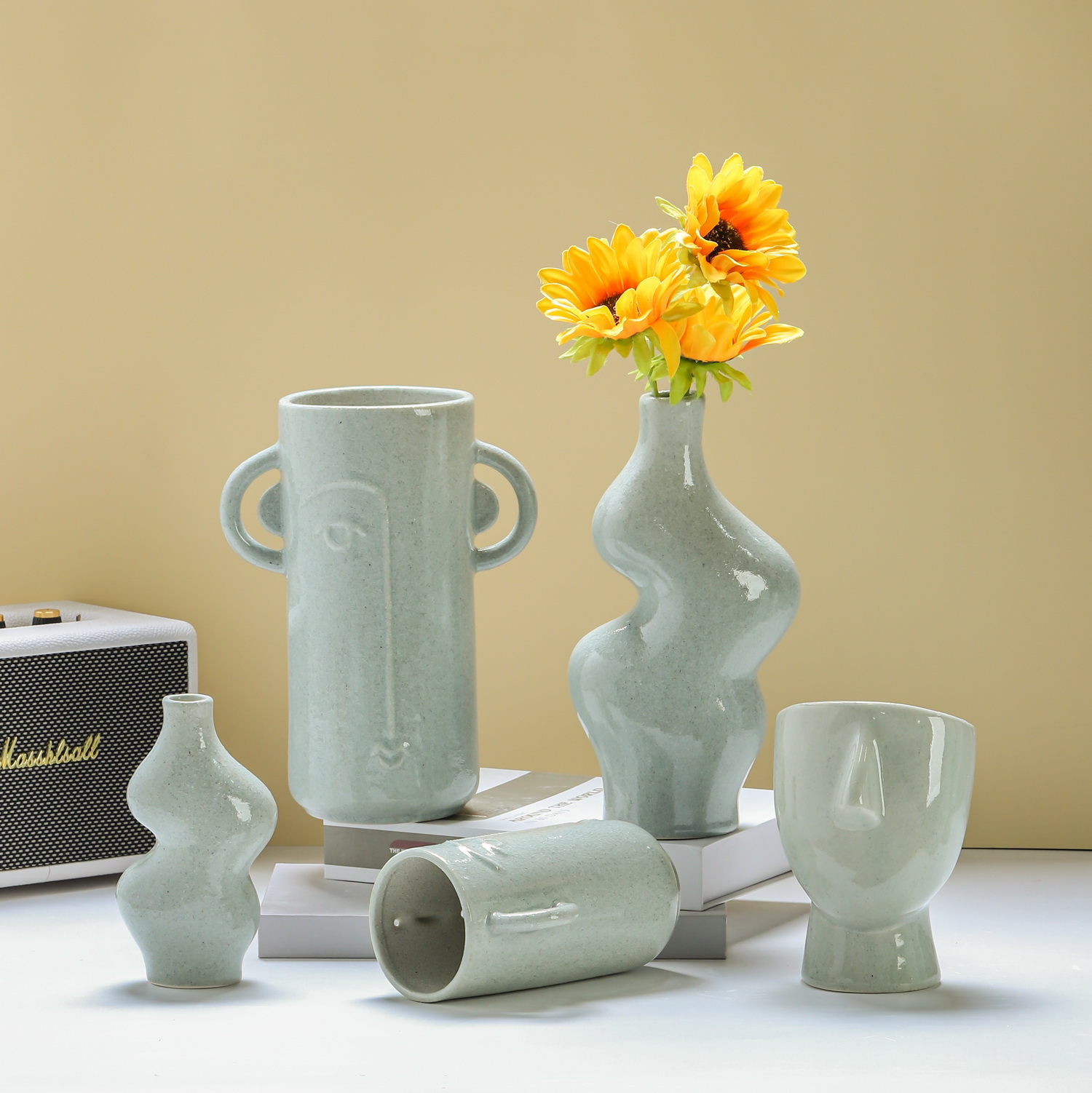
How a Craft Region Shortens the Correction Cycle
As an American home decor designer, I have learned that sample correction is not only about sending comments back and waiting for a new version.
The real question is: how fast can the supplier understand what went wrong, know why it happened, and make the next sample better?
That is how a craft region shortens the correction cycle.
A craft region gives buyers access to people who see the same material, shape, finish, and packaging problems every day. They know when a ceramic rim is too thin, when a glaze will shift, when a large vase may lean, when a matte surface may rub, and when a shape looks beautiful but becomes difficult to pack.
That local making knowledge helps buyers move faster from “This sample is not quite right” to “This version is ready to test.”
Why a Ceramic Decor Supplier With Local Making Knowledge Is Different
A strong ceramic decor supplier does not only say, “We can revise it.”
A better supplier says:
“This glaze needs a warmer firing range.”
“This vase should have a wider base.”
“This rim may chip in bulk production.”
“This texture looks good, but the surface may need packaging separation.”
“This size works better for decorative ceramic vases wholesale than the larger version.”
That kind of answer reduces correction time because the supplier is not guessing. The supplier is drawing from production memory.
For buyers, that is a big difference.
A correction cycle becomes shorter when the workshop can identify the cause, not just repeat the instruction.
Wholesale Home Decor Materials Decide How Fast Corrections Happen
Buyers often talk about style first.
Workshops think about material first.
That is why wholesale home decor materials matter so much in sample correction.
Material affects:
shape stability,
surface finish,
weight,
glaze behavior,
packaging risk,
and repeat production.
For a ceramic home decor manufacturer, the correction may not be only about color or size. It may be about clay body, firing result, glaze thickness, base balance, or carton pressure.
A buyer may say, “Make it look more premium.”
A workshop may answer, “The finish is not the only issue. The material needs better weight and surface control.”
That is where real correction begins.
Large Ceramic Vase Wholesale Needs Faster Problem Recognition
For large ceramic vase wholesale, small problems become expensive quickly.
A large vase may look strong in a product photo, but the buyer still needs to know:
Will the base support the height?
Will the rim survive handling?
Will the glaze stay consistent over a bigger surface?
Will the carton protect the shape?
Will the product still fit the target freight and margin structure?
A craft region can shorten the correction cycle because makers have already seen these issues across many similar products. They can often tell whether the problem is in the shape, the material, the finish, or the packaging before the buyer spends another full sampling round.
That saves time.
More importantly, it saves bad decisions.
Decorative Ceramic Vases Wholesale: The Correction Is Often in the Details
For decorative ceramic vases wholesale, buyers are not only correcting one product.
They are often correcting a whole shelf story.
A vase may need a softer glaze so it works with the tray beside it. A smaller version may need a stronger base. A tall version may need a different carton. A textured surface may need to feel handcrafted, not defective.
This is why craft-region sourcing is useful.
The correction does not stay abstract.
It becomes practical:
change the rim,
adjust the base,
control the finish range,
simplify the texture,
revise the size,
or improve the packing method.
That is how a sample moves from “interesting” to “commercial.”
What an Online Home Decor Seller Supplier Should Care About
An online home decor seller supplier has to correct products with the end customer in mind.
Online buyers cannot touch the product. They judge from images, size descriptions, reviews, and delivery experience.
That means correction should consider:
Does the product photograph clearly?
Is the scale easy to understand?
Does the finish look close to the real item?
Will the packaging protect the product in delivery?
Will customers understand the value?
A craft region helps because the supplier can connect workshop reality with online selling reality. The product cannot just look good in the sample room. It has to arrive correctly and match what the customer expected.
What Ottomans and Benches Teach Us About Correction Cycles
Even though ceramics and soft furniture are different, an ottomans and benches buying guide teaches the same lesson: correction is faster when the supplier understands the product structure.
For an ottoman, the correction may involve fabric, foam, stitching, frame, legs, or carton protection.
For a ceramic vase, the correction may involve clay body, glaze, firing, base, rim, or packaging.
Different category, same buyer logic.
A supplier who understands the making process can explain where the problem really lives. That is why grounded production answers help buyers move faster and trust the supplier more.
Recent U.S. Trends Make Fast Correction More Valuable
Recent U.S. home design coverage continues to point toward richer texture, sculptural forms, artisanal surfaces, oversized scale, and more expressive interiors. Those trends are good for ceramic décor, large vases, and handmade-feeling objects.
But they also make sampling harder.
A sculptural shape may need more correction.
A tactile finish may need tighter control.
A large vase may need stronger packaging.
A handmade look may need enough variation to feel real, but not so much that it feels inconsistent.
TikTok is also speeding up home decor taste cycles. Buyers may see a style move quickly from social media inspiration into customer demand.
But fast demand does not remove production risk.
It makes a shorter correction cycle even more important.
Why Buyers Trust Craft-Region Corrections
Buyers trust craft-region corrections because they are usually grounded in real making experience.
The supplier is not only answering from a spreadsheet.
The supplier is answering from the workshop:
“We tried this before.”
“This finish behaves this way.”
“This shape needs support.”
“This size is safer.”
“This packaging will reduce rubbing.”
“This version has a better chance of reorder.”
That is what makes a craft region valuable. It does not only make the product. It helps buyers correct the product faster.
FAQ: How a Craft Region Shortens the Correction Cycle
What does “how a craft region shortens the correction cycle” mean?
It means that suppliers in a craft region can often identify sample problems faster because they have local experience with materials, finishes, shapes, packaging, and production repeatability.
Why does this matter for ceramic home decor sourcing?
Ceramic products depend on clay body, glaze, firing, shape stability, surface finish, and packaging. Local making knowledge helps buyers correct problems before bulk production.
How does a craft region help with large ceramic vase wholesale?
Large ceramic vases often involve base stability, rim strength, surface consistency, carton size, and freight risk. A craft-region supplier can identify these issues earlier during sample development.
What should buyers ask a ceramic decor supplier during sample correction?
Buyers should ask what caused the problem, whether it is material-related, finish-related, shape-related, packaging-related, or production-related, and what revision will make the product more repeatable.
Final Thought: Faster Correction Comes From Deeper Making Knowledge
A beautiful sample starts the conversation.
A smart correction process builds trust.
That is why how a craft region shortens the correction cycle matters in B2B home decor sourcing. Buyers do not only need suppliers who can make products. They need suppliers who can explain problems, revise samples, and move products closer to shelf-ready faster.
In home decor, speed does not come from rushing.
It comes from knowing what to fix.
Leave a Reply