

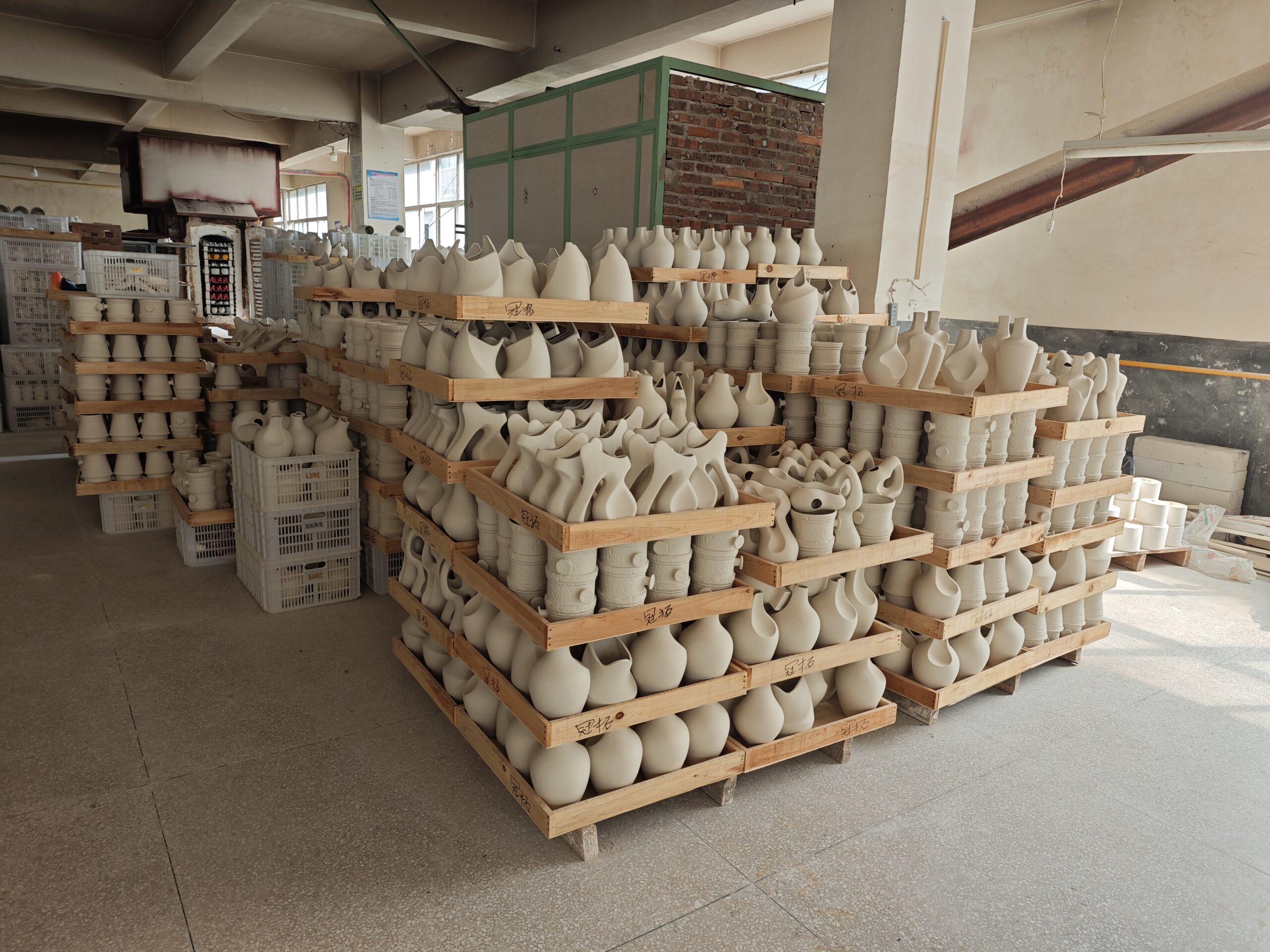
A Trade Program for Interior Designers Should Feel Less Like a Discount Code—and More Like a Beautifully Run Backstage Team
The best trade program for interior designers is not just about pricing
As an interior designer, I do not need another vendor who sends a charming PDF, disappears for six days, and then reappears with a sample that looks like it had an argument with the original moodboard.
What I want is a real trade program for interior designers: one that understands how a room is actually built, styled, photographed, installed, re-ordered, and sometimes rescued at the very last minute. The right factory partner does not just sell objects. It protects the look, the timeline, and, quietly, my reputation.
That is why partnerships matter more than ever. The North American market is still moving fast: High Point Market’s Spring 2026 edition runs April 25–29, remains trade-only, and positions itself as a place where buyers and designers scan 11.5 million square feet of showrooms for moment-defining trends. This season’s official educational programming is also telling: High Point is explicitly spotlighting health-based design, neuroaesthetics, and biophilia, while Las Vegas Market reported strong order writing and a notable increase in new buyers at Winter 2026. In other words, buyers are not shopping randomly. They are buying with a sharper eye for feeling, finish, and commercial confidence.
And yes, the social layer matters too. The most visible North American design chatter now leans toward rooms with more personality and tactility: TikTok-driven conversations around skirted furniture, broken floor plans, and even playful “cabbagecore” are all signs that clients want homes to feel collected, expressive, and slightly less behaved than the ultra-minimal years. That matters for product sourcing, because decorative objects now need to bring character, not just fill a shelf.
What a factory partner should actually do for a designer
A good partner helps me move from trend to room.
A great one helps me move from trend to room without drama.
That means a proper trade program should support more than quoting. It should help with:
Private label without making it feel painfully corporate
For many designers, private label home decor is not about pretending to be a giant retail brand. It is about curation. It is about having pieces that feel specific to a project, a studio, or a client type. A capable partner should know how to translate that vision into finish options, sizing adjustments, packaging logic, and repeatable production.
Product development that understands styling, not just manufacturing
A strong ODM home decor supplier should not treat design intent as decorative fluff. They should understand why one porcelain finish reads quiet luxury while another reads catalogue filler. They should know why proportion matters on a console, why a vase opening changes floral styling, and why a bundle for a mantel has to feel composed rather than merely “matched.”
Merchandising that thinks beyond the object
For retail-facing partners, merchandising support for retailers matters just as much as making the piece itself. Designers working with hospitality, branded residences, boutique retail, or lifestyle-led real estate often need more than one item. They need a story that can sell on a shelf, on a table, or in a styled vignette. That is where thoughtful assortment planning becomes useful: layered vessels, coordinated silhouettes, tonal groupings, and display-ready bundles that do not require a buyer to invent a collection from scratch.
Why Teruierdecor fits the conversation
Teruierdecor makes sense in this space because the value is not just “factory direct.” The value is coordination.
A designer-facing partner should be able to support a project from sample logic to export logic. That includes being a dependable porcelain vase manufacturer when the brief calls for refined ceramic accents, but also being able to expand into mantel decor bundle wholesale for styled sets, or bulk garden pottery when the project shifts outdoors and scale suddenly matters.
This is the kind of partnership that feels useful in real life:
- trend-aware product development
- sample-friendly communication
- practical private label options
- consistent production follow-through
- retailer-conscious merchandising logic
In other words, the factory is not acting like a silent workshop in the background. It is acting like part of the design operation.
A lighter, smarter way to think about a trade program
The best trade programs do not make designers feel like procurement managers with better shoes.
They make us feel supported.
They make good taste more executable.
They make custom feel less chaotic.
They make wholesale feel more elegant.
And in 2026, that elegance needs substance behind it. North American trend signals are pointing toward warmer woods, sculptural forms, tactile layering, personalized display, and spaces that feel emotionally legible rather than coldly optimized. Even broader home commentary is reinforcing this shift, from “slow decorating” to more intentional, textured, personality-rich interiors. A factory partner that can translate those signals into product, bundles, finishes, and reliable reorders becomes far more valuable than a vendor who only talks about unit price.
FAQ: What serious designers should ask a ceramic factory
What makes porcelain different from ordinary ceramic decor?
In broad art and materials terms, porcelain is a high-fired, vitrified white ceramic that is typically finer and less porous than lower-fired ceramic categories. The Met and Britannica both describe porcelain as a high-fired, vitrified material, often with a white fine-grained body and, in many cases, translucency. That matters because the material choice affects finish quality, perceived refinement, and how a piece performs in styling and handling.
Why should I ask a porcelain vase manufacturer about water absorption?
Because absorption tells you something important about the ceramic body. ASTM C373 is one of the standard test methods used to determine water absorption, porosity, density, and related properties in ceramic products. In practical terms, it helps indicate how mature and well-fired a ceramic body is. For designers and buyers, that is not abstract factory talk; it is part of understanding consistency, durability, and whether the product is genuinely suitable for its intended use.
Can private label home decor work for smaller designer collections?
Yes—if the factory is organized for it. The key is not chasing endless customization. It is choosing a controlled set of variables: shape, finish, colorway, logo application, carton labeling, and bundle composition. The most efficient private label programs keep the design signature clear while keeping production disciplined.
What should I ask for before approving a ceramic order?
Ask for the unglamorous things. Dimensions. Weight. Material notes. Finish description. Color reference. Carton specs. Inner packing method. lead time. Sampling timeline. Inspection checkpoints. Reorder tolerance. A beautiful vase is lovely; a beautiful vase with a reliable spec sheet is a business asset.
Why are mantel decor bundle wholesale programs useful?
Because many clients and retailers do not buy one piece emotionally—they buy a look. Bundled assortments help create visual cohesion faster, make merchandising easier, and increase order clarity. A well-composed mantel set can also reduce styling friction for store displays, model homes, hospitality lounges, and residential installations.
Is bulk garden pottery sourced differently from indoor decorative porcelain?
Usually, yes. Outdoor pottery programs often need a different conversation around body composition, finish behavior, size scaling, freight efficiency, and protective packaging. The best factory partner will not force one indoor production logic onto every category. They will treat indoor porcelain and outdoor pottery as related—but operationally distinct—product families.
Final thought
A truly useful trade program for interior designers should help good taste survive contact with reality.
That is the whole point.
Teruierdecor’s opportunity is not simply to say, “We make home decor.”
It is to say, more confidently and more usefully:
we help designers turn a visual idea into a wholesale-ready result—with less friction, more polish, and a partner mindset from sample to shipment.
Leave a Reply