

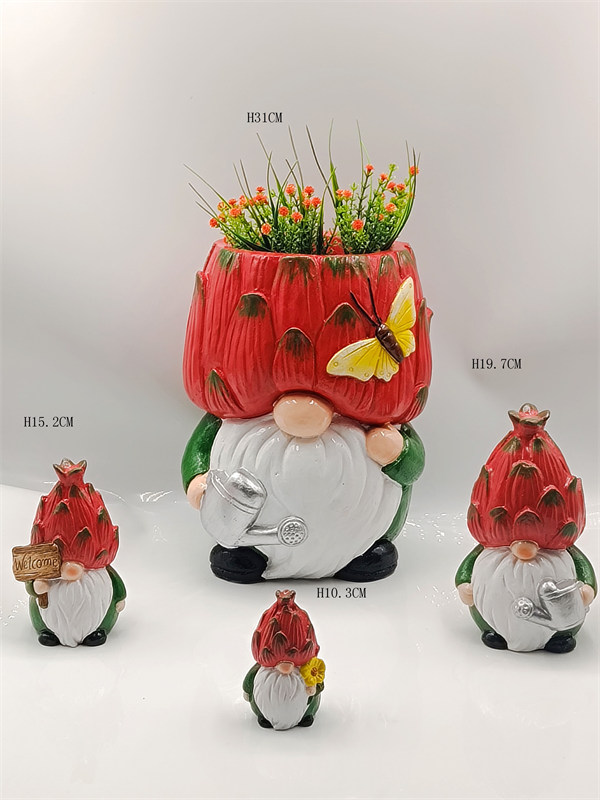
There was a time when a vase was simply a finishing touch. Now it does something larger. It helps a room feel edited, photographed, and quietly complete. That is why vase set wholesale feels more relevant in North America today than a random decorative accent ever could. Bard Graduate Center notes that the vase became a major cultural form in decorative arts because it offered “infinite possibilities to express design and style,” which is exactly why it still carries more visual authority than its size might suggest.
Not just a vase, but a visual system
As a Canadian interior designer, I do not see a vase set as three objects. I see it as one visual system. One piece anchors, one supports, one softens. In a condo display, a retail shelf, a show suite, or a hospitality corner, that matters because buyers are no longer only purchasing décor. They are purchasing composition. A good vase set wholesale programme gives a retailer shape variation, price layering, and easier merchandising in one move. That logic fits the wider North American shift toward sculptural, gallery-like styling seen at High Point Market, where Spring 2025 Style Spotters highlighted “sculptural vases” within a “gallery-inspired living” direction.
Why buyers are leaning into sets now
The market has become more editorial. Buyers want fewer objects that do more work. Winter 2026 Las Vegas Market framed its offer around trend-forward merchandise and more than 400 temporary exhibitors across curated neighbourhoods including Design, Handmade, Home, and LUXE, which tells you buyers are being pushed toward products with clearer identity and easier storytelling.
That is where vase set wholesale becomes commercially useful. A set lets a retailer build a family of products without needing a huge collection. It also makes styling easier for the end customer. One tall piece can live on a console, one medium piece on a dining table, one smaller piece on a shelf. The customer sees cohesion without feeling forced into a matching room. From a B2B point of view, that is a stronger sales proposition than a single isolated SKU.
The North American mood has changed
Recent media coverage suggests the décor market is moving toward playful form, curved silhouettes, and objects that feel expressive enough to photograph well but calm enough to live with. ELLE Decor reported this month that curved forms are surging again across the market and that TikTok has helped drive that demand into mainstream retail. House Beautiful’s Ambiente 2026 coverage also singled out fruit vases as a trend to watch this year, showing how ceramics are being pulled back into the centre of styling conversations rather than left as background accessories.
That matters because the modern vase set is no longer just a traditional décor category. It now sits somewhere between sculpture, styling tool, and content object. It can help a shop floor look more current, but it can also help a product page, a lookbook, or a social post feel more finished. That is part of why handcrafted ceramic décor and ceramic crafts wholesale now need more discipline than before. The product has to feel handmade, but still organised enough for modern retail.
What a good vase set should do
A strong set should not rely only on glaze or colour. It should work through proportion. The silhouettes should relate without repeating themselves. The pieces should feel connected, but not copied. That is the difference between a true contemporary vase factory and a supplier simply placing three similar shapes into one carton.
For buyers, the best sets usually share three traits. First, they read clearly from a distance. Second, they hold together even when displayed separately. Third, they leave enough breathing space for florals, branches, or even empty styling. This is especially important in smaller Canadian homes, urban showrooms, and mixed-use retail environments where space is limited but visual clarity matters.
Where Teruier fits into the sourcing conversation
This is why a name like Teruier factory China can be positioned around more than production. The real value is translation. A good factory partner does not only make ceramic pieces; it helps turn trend signals into a retail-ready set. It balances artisan character with repeatability, adjusts finishes for different market tastes, and makes sure the collection still feels coherent when it lands in a North American assortment.
That is also where practical details matter. Even small care tips can support sell-through and reduce hesitation: soft-cloth dusting, stable shelf placement, felt protection for surfaces, and sensible guidance around water use or dried stems. These details are modest, but they help a ceramic set feel thought through. In B2B, confidence often comes from small things that make a product easier to explain and easier to reorder.
A quieter category with stronger staying power
Some décor trends arrive loudly and disappear just as quickly. Vase sets tend to work differently. They adapt. They can lean minimalist, playful, rustic, sculptural, or softly nostalgic depending on glaze, proportion, and styling. That flexibility is probably why they keep returning across eras, from decorative-arts history to today’s social-driven interiors.
So the opportunity in vase set wholesale is not only that it looks good. It is that it behaves well in retail. It creates easy composition, supports multiple price points, photographs cleanly, and gives buyers a category that feels both decorative and useful. In a crowded home market, that kind of quiet intelligence may be exactly what makes the product easier to sell.
Leave a Reply