

Home Decor Importer Supplier: The Real Job Is Not Just Supplying
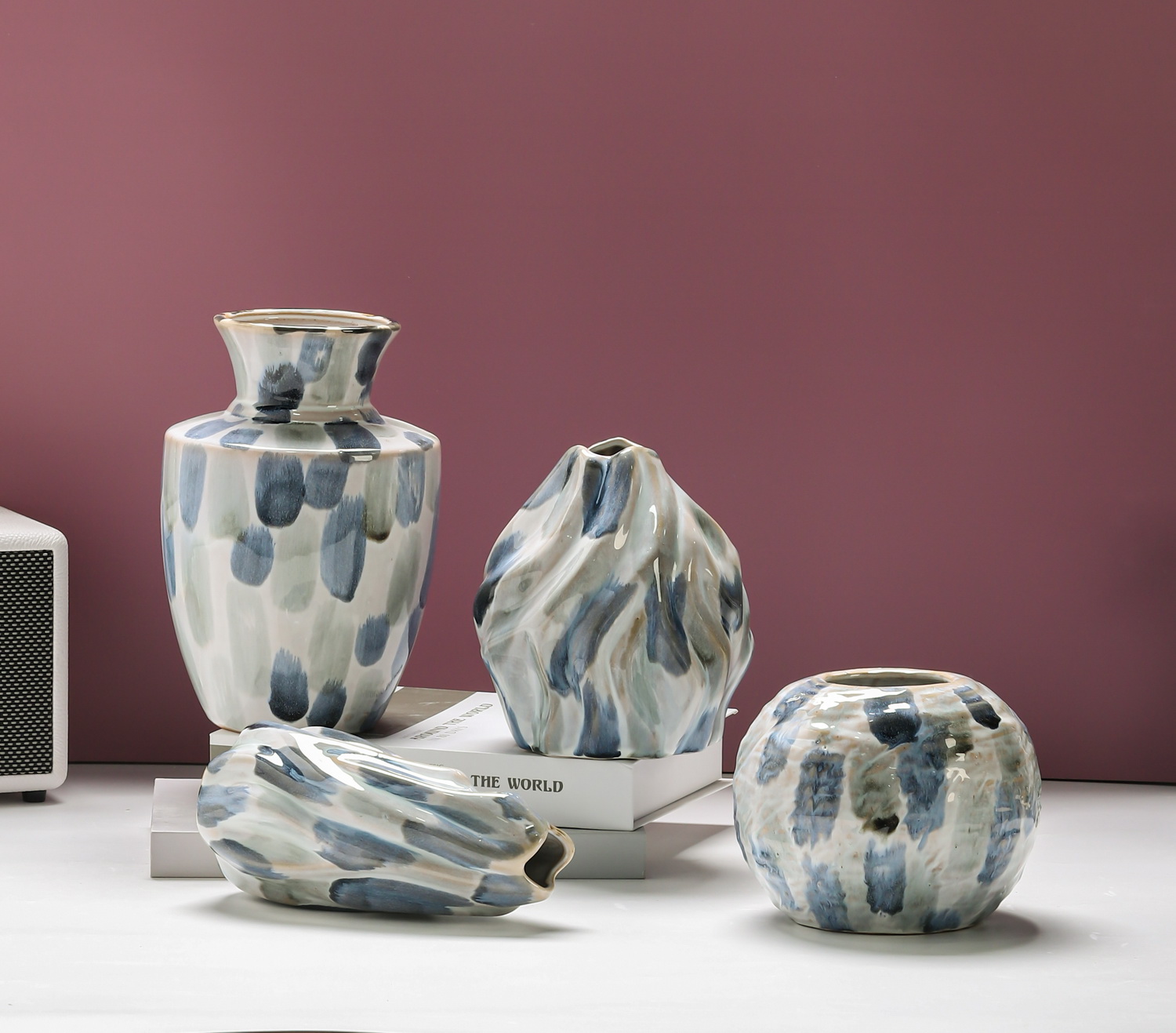
As an American home decor designer, I love discovering a product that feels ready: a ceramic vase with the right glaze, a sculptural tabletop piece, a warm neutral accent, or a decorative object that gives a shelf personality.
But importers do not buy only by feeling.
They need a supplier who understands product development, retail risk, packaging, documentation, and repeat orders.
That is why a strong home decor importer supplier is not just a factory with a catalog. It is a partner who helps buyers avoid problems before those problems become container-level costs.
A pretty product opens the door.
A reliable supplier protects the business.
What a Mature Production Base Sees Earlier
This is what a mature production base sees earlier.
A buyer may see a beautiful vase.
A mature production base sees the hidden questions:
Will the glaze repeat?
Will the rim chip?
Will the base sit flat?
Will the carton protect the surface?
Will the product work for hospitality, retail shelves, and online selling?
Will the second order match the first approved sample?
For importers, early judgment matters because small product risks become bigger after bulk production. The best suppliers do not wait for the buyer to discover the issue. They point it out early.
Ceramic Glaze Finishes Are Not Just Color
For ceramic home décor, ceramic glaze finishes are one of the first places where supplier experience becomes visible.
A buyer may choose a matte white, reactive glaze, speckled neutral, smoky blue, or soft cream finish because it fits the trend. But the supplier has to know whether that finish can be repeated in production.
A good supplier should help buyers understand:
which glaze is stable,
which finish may shift after firing,
which surface may show rubbing,
which color range is acceptable,
and which finish is safer for reorder.
That is where production knowledge turns into importer value.
A glaze is not just a look. It is a production decision.
How Local Know-How Becomes Retail Value
This is how local know how becomes retail value.
Local making knowledge becomes valuable when it helps buyers make better sourcing decisions. A supplier who has seen the same glaze, clay, shape, packing, and shipping problems many times can correct faster and explain risk more clearly.
For example:
“This finish is beautiful, but this version repeats better.”
“This tall vase needs a wider base.”
“This matte surface should not touch the inner carton directly.”
“This shape works for retail shelves, but the larger size may hurt freight efficiency.”
Those answers save importers time, money, and uncertainty.
Local know-how is not a romantic factory story. It is practical buying intelligence.
A Decorative Vases Buying Guide for Importers
A practical decorative vases buying guide should go beyond style.
Importers should ask:
Does the vase have a clear shelf role?
Can the glaze be repeated?
Is the shape stable?
Will the rim survive shipment?
Does the carton protect the surface?
Can the supplier support future reorder?
Will this item work alone or as part of a collection?
For decorative vases, the right supplier should help buyers build a line, not just buy one SKU. A hero vase may need a smaller companion size. A bold glaze may need a quieter supporting finish. A large decorative piece may need a tabletop add-on that helps the assortment sell as a group.
Hospitality Home Decor Supplier: Durability Matters More Than Drama
A hospitality home decor supplier has to think differently.
Hotels, resorts, restaurants, and furnished spaces often need décor that looks elevated but can handle repeated cleaning, guest interaction, replacement needs, and project-level consistency.
That means buyers should ask:
Can this finish handle frequent handling?
Is the product easy to replace?
Can the supplier support batch consistency?
Can the item work across rooms, lobbies, restaurants, and suites?
Does the product look designed without becoming too fragile?
For hospitality buyers, beauty matters. But durability, availability, and controlled variation matter just as much.
Community Home Store Supplier: Small Assortments Need Stronger Editing
A community home store supplier should understand another reality: smaller retailers cannot carry endless SKUs.
They need a tight, convincing assortment.
For community stores, a strong product mix often includes:
one hero item,
one easy giftable item,
one practical price point,
one seasonal color direction,
and one reorder-friendly core style.
This is where a home decor importer supplier can create real value. Instead of pushing too many products, the supplier helps the buyer edit.
A smaller assortment with better logic is easier to sell, easier to reorder, and easier for store staff to explain.
Why Recent U.S. Trends Make Supplier Judgment More Important
Recent U.S. home design signals point toward texture, personality, sculptural forms, warmer materials, larger scale, and more expressive interiors. Spring 2026 High Point Market coverage highlighted tactile materials, draped or sculptural forms, coastal and sky blues, Southwest-inspired textures, maximalist detail, and larger-scale statement pieces.
These trends create strong opportunities for ceramic vases, decorative objects, and importer-ready home décor collections.
But they also create risk.
A sculptural vase may be harder to pack.
A tactile glaze may be harder to repeat.
A larger piece may affect carton cost.
A trend-driven color may need a safer commercial version.
TikTok can make home décor trends feel urgent, but it cannot answer the importer’s most important question:
Can this product be produced, shipped, documented, and reordered without drama?
That is where supplier judgment matters.
What Importers Should Ask Before Choosing a Supplier
Before choosing a home decor importer supplier, buyers should ask:
Can the supplier explain product risk clearly?
Can ceramic glaze finishes be repeated?
Can the supplier support hospitality or community store assortments?
Does the production base see packaging issues early?
Can the supplier help develop a small but profitable collection?
Are product details and shipping documents prepared clearly?
Can the second order match the approved sample?
The best supplier does not only answer quickly.
The best supplier answers from experience.
FAQ: Home Decor Importer Supplier
What is a home decor importer supplier?
A home decor importer supplier helps retail buyers, wholesalers, hospitality buyers, and store owners source décor products for import, including product development, packaging, documentation, and reorder support.
Why do ceramic glaze finishes matter for importers?
Ceramic glaze finishes affect product appearance, repeatability, packaging risk, customer expectations, and reorder consistency. A good supplier should explain which finishes are stable for bulk production.
What should buyers look for in a decorative vases buying guide?
Buyers should review shape, glaze, base stability, rim strength, packaging risk, shelf role, price point, and reorder potential.
Why does a mature production base matter?
A mature production base sees product risks earlier because it has repeated experience with material behavior, finish variation, shaping problems, packaging needs, and bulk production control.
What is the difference between a hospitality home decor supplier and a community home store supplier?
A hospitality supplier focuses more on durability, batch consistency, replacement needs, and project-level use. A community home store supplier focuses more on edited assortments, display value, giftability, and reorder-friendly products.
Final Thought: A Better Import Supplier Helps Buyers Decide
A product photo creates interest.
A sample starts the conversation.
But a strong supplier helps importers decide what is worth buying, what needs correction, and what can be reordered.
That is the real value of a home decor importer supplier.
The best partner does not only offer products. It helps buyers turn trend, glaze, local know-how, packaging, and retail assortment logic into safer buying decisions.
Leave a Reply