

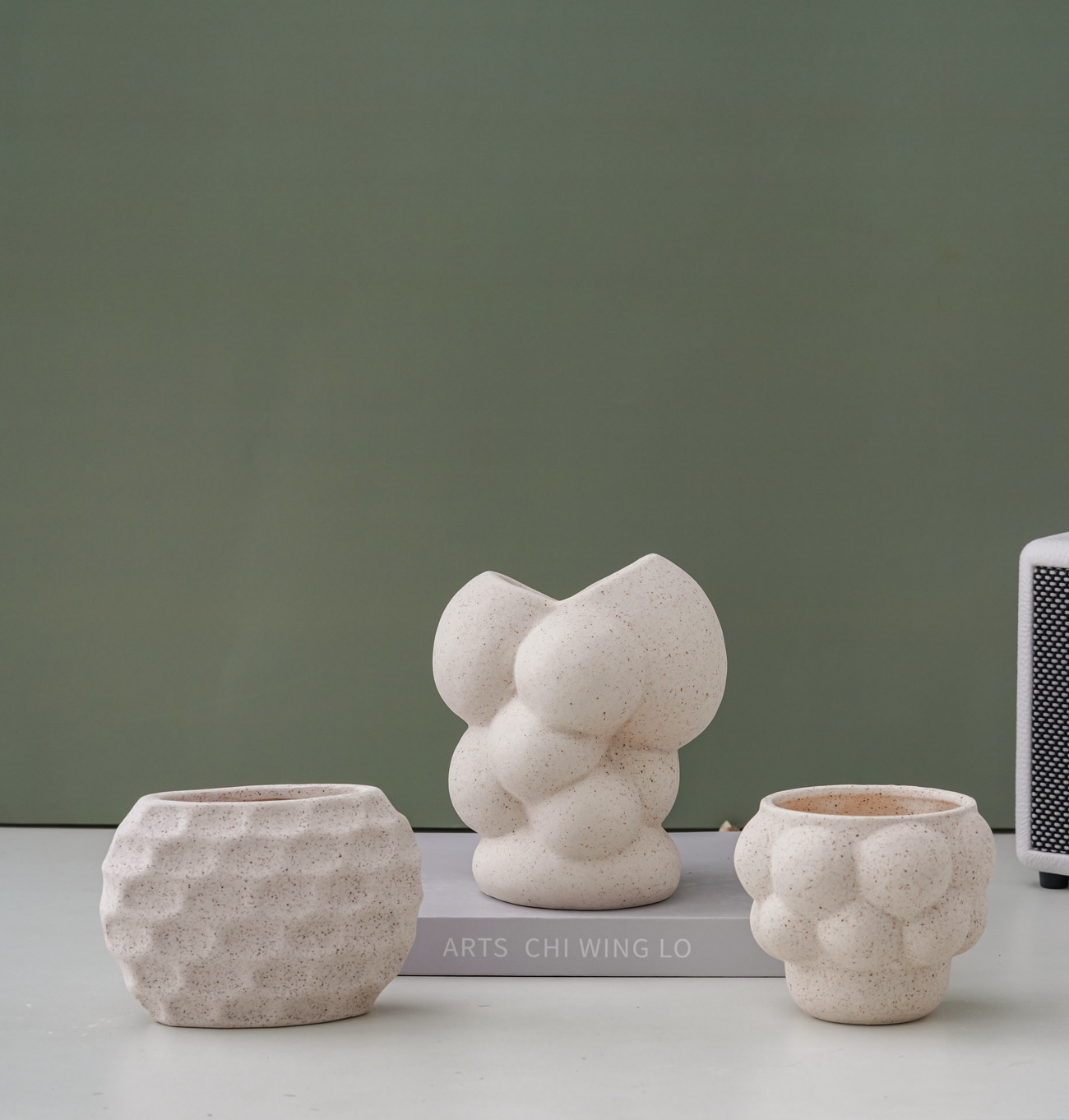
Reorder Confidence Home Decor: The Real Test Comes After the First Order
As an American home decor designer, I love the moment a buyer finds a product with energy: a textured vase, a mixed-material accent, a clean bench, or a small decorative object that makes a shelf feel finished.
But retail buyers do not build a business on one good sample.
They build it on products they can reorder.
That is why reorder confidence home decor matters. It means a buyer can place the second order with less doubt about finish, size, packaging, inspection, documents, and delivery.
The first order tests interest.
The reorder proves whether the supplier really understands the product.
Why Reorder Confidence Starts With a Better QC Checklist
A practical home décor QC checklist should not be a last-minute form. It should begin during sample review.
Buyers should check:
Is the approved sample clearly defined?
Is the color or finish range acceptable?
Are size tolerances realistic?
Does the product sit flat?
Are rims, corners, legs, handles, or edges protected?
Does the carton match the product risk?
Can the supplier repeat this standard in the second order?
For ceramic items, QC may focus on glaze, firing, surface rubbing, cracks, chips, and base stability.
For soft furniture, QC may focus on frame strength, fabric tension, foam feel, leg protection, stitching, carton pressure, and final appearance.
A checklist is not paperwork. It is how buyers turn style into control.
What a Mature Production Base Sees Earlier
This is what a mature production base sees earlier.
A buyer may see a good-looking product.
A mature production base sees the hidden risks:
Will the finish repeat?
Will the carton protect the product?
Will the material behave the same in bulk?
Will the second order match the first order?
Will this product still make sense after trend excitement cools?
MIT professor Eric von Hippel’s research on sticky information helps explain why practical problem-solving knowledge often stays close to where the work is done. In home decor sourcing, that means real production knowledge often lives near the workshop, the material, the kiln, the cutting table, the assembly line, and the packing room.
That is why experienced suppliers can often see product risk before it becomes the buyer’s problem.
Why Some Regions Solve Decor Problems Faster
This is why some regions solve decor problems faster.
Mature production regions often have repeated experience with the same categories: ceramic vases, pottery accents, mixed-material pieces, ottomans, benches, mirrors, trays, and tabletop décor.
That experience matters.
A supplier may know that a matte ceramic surface needs better separation.
A bench leg needs extra protection.
A woven detail may deform under carton pressure.
A large decorative piece may look strong but ship poorly.
A mixed-material item may need surface protection between ceramic and metal.
The value is not just faster production.
The value is faster correction.
A Mixed Materials Home Décor Buying Guide Must Ask One Question First
A serious mixed materials home décor buying guide should begin with one question:
Can these materials survive together?
Mixed-material products look premium because they combine ceramic, wood, metal, glass, woven texture, resin, or stone-look finishes. But each added material creates another risk point.
Buyers should ask:
Does one material scratch another?
Does the assembly stay stable?
Does packaging protect every surface?
Does the product still fit the target price?
Can the supplier repeat the same look in the next order?
A mixed-material product should feel rich, not fragile.
What an Importer Should Expect From a Supplier
A strong home decor importer supplier should help buyers beyond product selection.
Importers need support with:
sample correction,
production control,
packaging confirmation,
carton details,
inspection preparation,
shipping coordination,
and reorder records.
A supplier who only sends a catalog is easy to replace.
A supplier who helps buyers reduce repeat-order risk becomes part of the buying system.
For importers, reorder confidence is not only about the product. It is about whether the supplier can keep the product, packaging, documentation, and communication consistent.
Ottomans and Benches Need Reorder Confidence Too
A practical ottomans and benches buying guide should not only discuss fabric color or shape.
Buyers should review:
frame stability,
foam comfort,
fabric performance,
leg attachment,
weight capacity,
stitching quality,
carton strength,
and repeat-order consistency.
A bench may look beautiful in a lifestyle image. But if the second order has different fabric tension, weaker foam, scratched legs, or poor carton protection, the buyer loses confidence.
For soft furniture, reorder confidence comes from construction discipline.
Recent U.S. Trends Make Reorder Confidence More Important
Recent U.S. home design signals point toward tactile materials, richer textures, sculptural forms, oversized pieces, layered rooms, and more personality-driven interiors.
That is good news for home décor buyers.
It also increases sourcing risk.
A sculptural vase may be harder to pack.
A mixed-material accent may need better protection.
A large bench may create carton pressure.
A tactile surface may be harder to repeat.
A trend-driven product may sell once but fail the reorder test.
TikTok can make a look feel urgent, especially as interiors become more nostalgic, personal, and sensory. But social media does not answer the buyer’s operational question:
Can this product come back again?
That is the core of reorder confidence.
A Buyer’s Reorder Confidence Checklist
Before approving a product, retail buyers should ask:
Can the approved sample be repeated?
Is the QC standard clear?
Does packaging protect the product and the margin?
Can the supplier explain what may go wrong?
Can the product support a second order?
Can the supplier handle inspection and documentation?
Does the product belong in a small, profitable assortment?
Does the supplier see problems earlier than we do?
The best products are not only attractive.
They are controllable.
FAQ: Reorder Confidence Home Decor
What does reorder confidence home decor mean?
Reorder confidence home decor means buyers can place repeat orders with confidence that product quality, finish, packaging, inspection standards, and supplier communication will remain stable.
Why does a home décor QC checklist matter?
A home décor QC checklist helps buyers define quality expectations before bulk production. It reduces confusion around finish, size, surface, packaging, and acceptable variation.
Why do some regions solve decor problems faster?
Some regions solve decor problems faster because they have repeated experience with similar materials, product categories, packaging issues, and production corrections.
What should a home decor importer supplier provide?
A good home decor importer supplier should support samples, production control, packaging, carton details, inspection preparation, documentation, and reorder consistency.
Why do ottomans and benches need reorder planning?
Ottomans and benches involve fabric, foam, frame, legs, stitching, comfort, and carton protection. Buyers need these details to stay consistent across repeat orders.
Final Thought: Reorder Confidence Is the Real Buying Advantage
A product photo creates interest.
A sample starts the conversation.
The first order tests the market.
But reorder confidence tells the buyer whether the product can become part of the business.
That is why reorder confidence home decor should be built into sourcing from the beginning. It connects QC, packaging, production memory, supplier judgment, and retail assortment logic.
A beautiful product may sell once.
A reorder-confident product gives the buyer a reason to come back.
Leave a Reply