

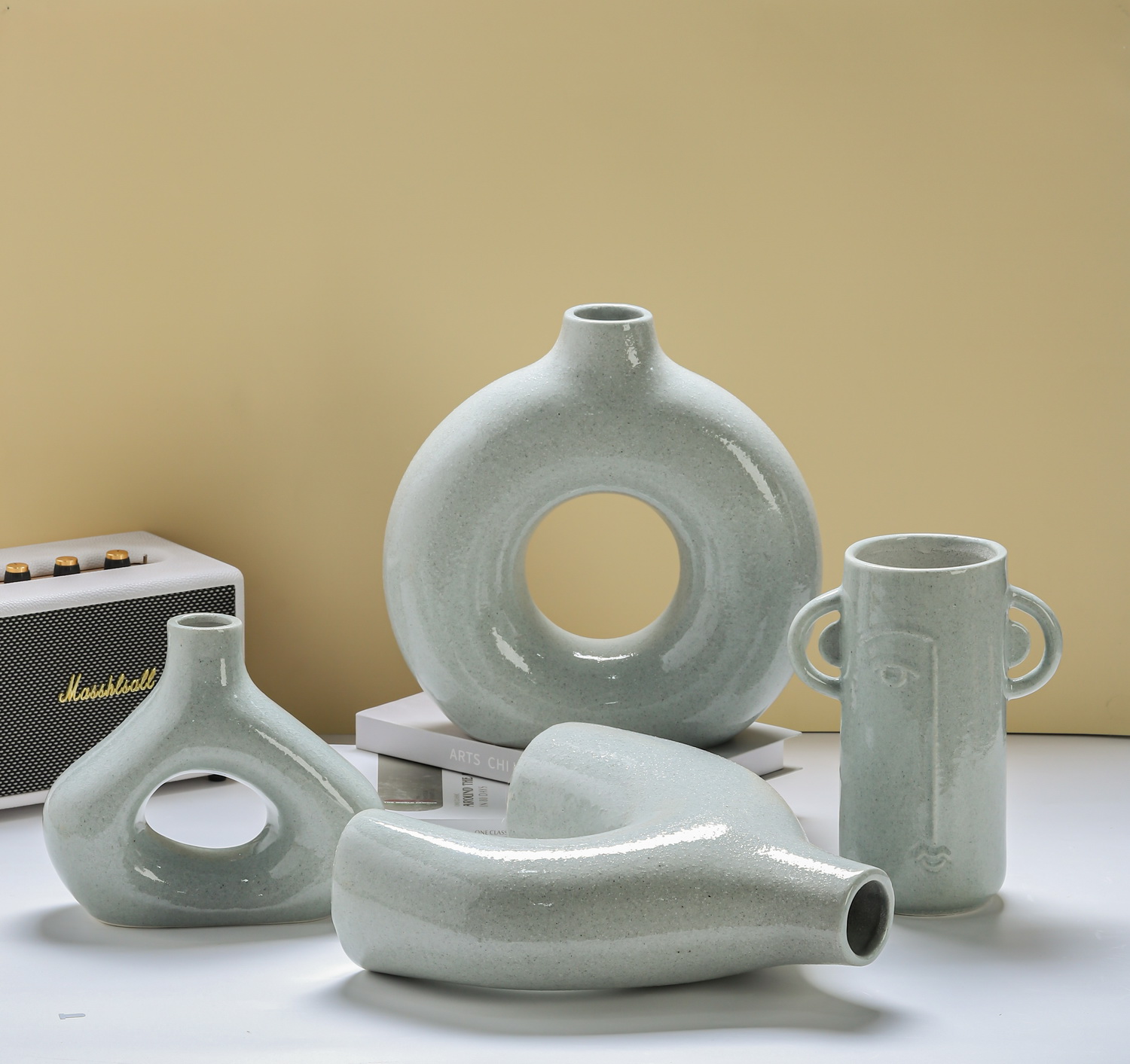
How Local Know-How Becomes Retail Value
As an American home decor designer, I love a product with a real sense of making: a porcelain vase with a clean profile, a ceramic object with a softened surface, a decorative piece that does not feel like it came from a flat catalog.
But for retail buyers, local know-how cannot only be a romantic origin story.
It has to create business value.
That is how local know how becomes retail value: when the supplier’s making experience helps buyers choose better materials, correct samples faster, protect finishes, improve packaging, and build products that can reorder.
In B2B home décor, the best local knowledge is not hidden in a brochure.
It shows up in better product decisions.
Why Some Regions Solve Decor Problems Faster
This is why some regions solve decor problems faster.
A mature craft region has usually seen the same problems many times before: glaze variation, weak rims, unstable bases, surface rubbing, firing changes, packaging pressure, and shapes that look beautiful but travel badly.
That experience shortens the buyer’s correction cycle.
A supplier in a mature production region can often say:
“This glaze needs a safer range.”
“This rim should be thicker before bulk production.”
“This base needs better balance.”
“This surface may need carton separation.”
“This size works better for the buyer’s price ladder.”
That is local know-how becoming retail value.
It saves buyers from correcting the wrong thing.
A Decorative Vases Buying Guide Should Start With Making Reality
A practical decorative vases buying guide should not begin with “Is this vase pretty?”
It should begin with practical sourcing questions:
Can the material support the shape?
Can the finish be repeated?
Does the base sit flat?
Will the rim survive shipment?
Can the product be packed safely?
Can the approved sample become a stable production reference?
For retail buyers, a vase is not just a decorative object. It is material, finish, shape, packaging, shelf role, and reorder risk.
A strong ceramic decor supplier helps buyers see all of that before the order becomes expensive.
A Ceramic Décor Buying Guide Needs Material Judgment
A serious ceramic décor buying guide should treat material as a decision point, not a specification buried at the bottom of the page.
For wholesale porcelain home decor, buyers should ask:
Can the porcelain body support the silhouette?
Can the surface stay clean after firing?
Can the glaze stay consistent?
Can the product ship without rubbing, chipping, or cracking?
Can the supplier repeat the approved sample?
MIT professor Eric von Hippel’s research on “sticky information” explains why problem-solving knowledge is often hard to move away from the place where the work happens. In home décor sourcing, that means useful knowledge about materials, forming, finishing, packaging, and production repeatability often lives close to the workshop.
That is why local know-how matters. It gives buyers earlier answers.
Home Décor Sourcing for Retail Buyers Is Really Risk Control
Home décor sourcing for retail buyers is not only about finding attractive products.
It is about reducing uncertainty.
Retail buyers need to know:
Which product can become the hero item?
Which finish is safer for reorder?
Which size supports the price ladder?
Which surface needs more packaging protection?
Which trend signal should be used lightly?
Which product should not move forward yet?
Stanford d.school’s design thinking framework includes Prototype and Test as core modes, which fits B2B sourcing well: samples help buyers learn before committing to production.
Local know-how makes that learning faster and more practical.
Why Recent U.S. Trends Make Local Knowledge More Valuable
Recent U.S. home design coverage continues to point toward sculptural forms, tactile surfaces, richer materials, oversized scale, and more personality-driven interiors.
That is good news for ceramic décor and porcelain home accents.
It also increases sourcing risk.
A sculptural vase may be harder to pack.
A tactile finish may be harder to repeat.
A large shape may affect freight and carton structure.
A handmade-looking surface may need clearer quality boundaries.
TikTok and social platforms can make a home décor trend move quickly. But social media does not answer the buyer’s sourcing questions.
Can it be made again?
Can it ship safely?
Can the finish stay controlled?
Can the supplier correct the product quickly?
Local know-how helps answer those questions before the buyer has to learn them the hard way.
What Buyers Should Ask a Ceramic Decor Supplier
Before choosing a ceramic or porcelain décor supplier, buyers should ask:
What risks do you see in this shape?
Can this finish be repeated in bulk?
How much variation is acceptable?
Does the packaging protect the surface?
What should be revised before production?
Can this product support a reorder?
What has your workshop seen before with similar products?
The best suppliers do not only show what they can make.
They explain what they have learned.
FAQ: How Local Know-How Becomes Retail Value
What does “how local know-how becomes retail value” mean?
It means local making knowledge becomes valuable when it helps buyers reduce product risk, improve samples, protect packaging, choose better materials, and build products that can sell and reorder.
Why do some regions solve decor problems faster?
Some regions solve decor problems faster because makers have repeated experience with similar materials, finishes, shapes, packaging issues, and production corrections.
What should buyers look for in a decorative vases buying guide?
Buyers should check material, finish repeatability, base stability, rim strength, packaging risk, shelf role, and whether the approved sample can be repeated.
Why does local know-how matter for wholesale porcelain home decor?
Porcelain products require control over body, surface, firing, finish, packaging, and repeat production. Local making knowledge helps identify risks earlier.
Final Thought: Local Knowledge Is Valuable When It Helps Buyers Decide
Local know-how is not valuable because it sounds traditional.
It is valuable because it helps buyers make better decisions.
That is how local know how becomes retail value in B2B home décor sourcing. It turns craft-region experience into faster sample correction, better material judgment, safer packaging, and stronger reorder confidence.
A good supplier makes products.
A mature local production base helps buyers avoid mistakes before those mistakes reach the shelf.
Leave a Reply