

Heritage Craft Home Decor Sourcing Starts With Better Judgment
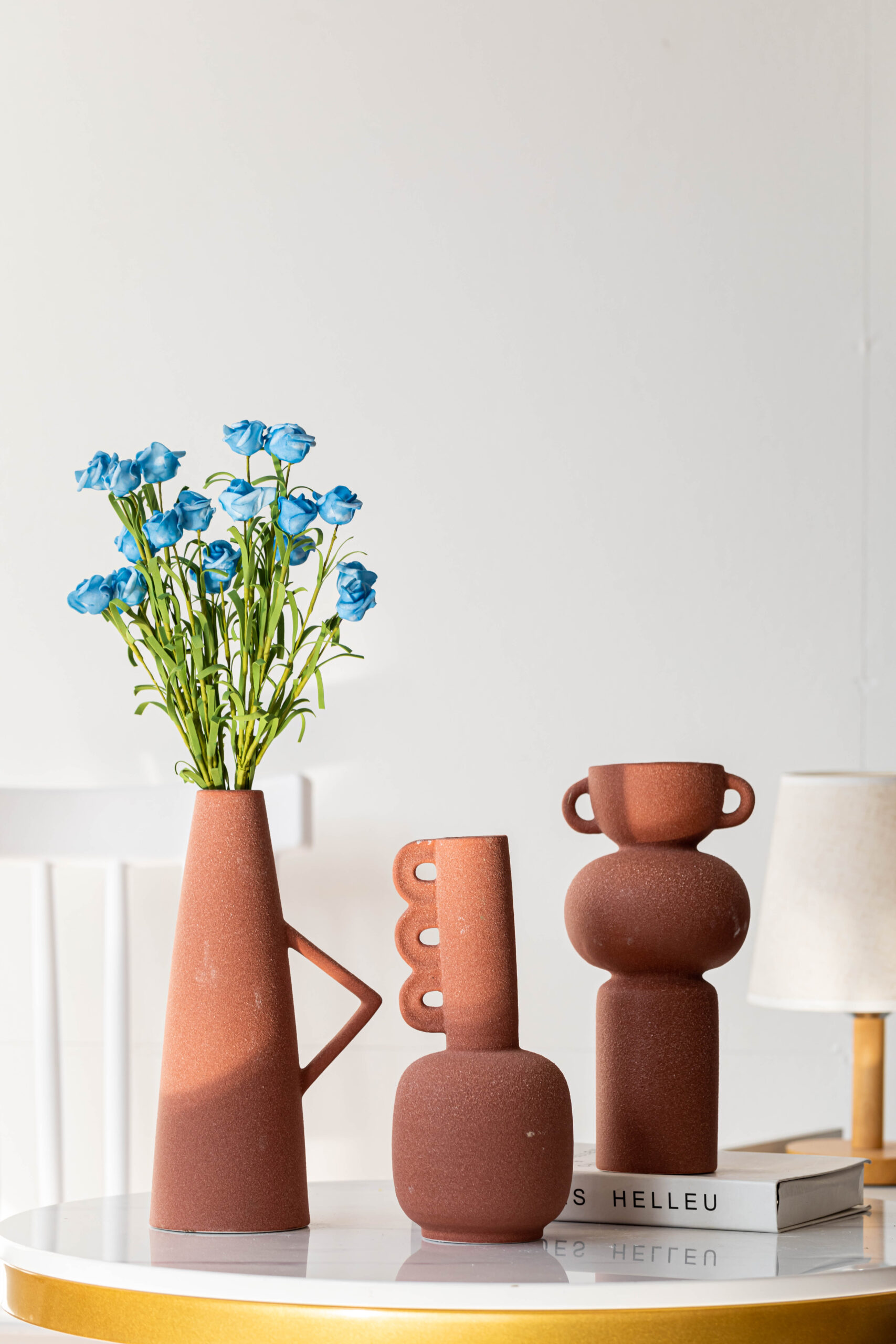
As an American home decor designer, I love products that feel touched by real hands: a ceramic vase with a softened rim, a textured tray, a sculptural bowl, a surface that feels warmer than a flat factory finish.
But for B2B buyers, heritage craft home decor sourcing cannot stop at beauty.
The real question is: can this product be made, packed, displayed, and reordered without turning into a problem?
That is where heritage craft becomes useful. It gives buyers access to making knowledge—not just a romantic story about tradition.
Why Material Judgment Starts on the Ground
This is why material judgment starts on the ground.
A catalog can show the finished product. A workshop can explain what may go wrong.
Will the ceramic rim chip?
Will the glaze repeat across bulk production?
Will the base sit flat?
Will the surface rub inside the carton?
Will the product still look controlled in the second order?
MIT professor Eric von Hippel’s research on “sticky local information” explains why some useful problem-solving knowledge is hard to move away from the place where the work is actually being done. In home decor sourcing, that knowledge often lives close to the workshop floor: clay behavior, finish control, shaping limits, packing pressure, and repeat production.
Why Workshop Reality Makes Samples More Believable
This is why workshop reality makes samples more believable.
A sample becomes more convincing when the supplier can explain the product risk behind it.
A weak supplier says, “The sample looks good.”
A stronger ceramic factory wholesale partner says:
“This rim should be thicker for shipment.”
“This glaze is beautiful, but the color range may need control.”
“This base needs adjustment before bulk production.”
“This texture looks handmade, but it may collect rubbing marks in packaging.”
“This product can be the hero item, but the collection needs quieter support pieces.”
That is not just production talk. That is buyer protection.
Why Some Trends Break Down on Shelf
Many trends look exciting in a showroom photo and fail when they become a real assortment.
That is why some trends break down on shelf.
The color becomes too heavy across five SKUs.
The texture looks beautiful once but messy in repetition.
The shape feels artistic but hard to explain.
The product looks handmade but too inconsistent for retail.
The hero item has no supporting pieces.
Recent Spring 2026 High Point Market coverage pointed to draped forms, artisanal textures, Southwest influence, menswear patterns, oversized scale, and more detailed interiors. These are useful signals for ceramic décor and craft-led home accessories, but they still need to be translated into shelf-ready products.
A good heritage craft supplier helps buyers use the trend signal without carrying the full trend weight.
Building a Profitable Home Decor Assortment
A profitable home decor assortment is not built by adding more products.
It is built by giving every product a role.
A strong assortment usually needs:
A hero item that catches attention.
A supporting product that carries the same style.
A smaller add-on that feels easy to buy.
A finish or texture anchor.
Packaging that protects the product and the margin.
For heritage craft home decor, this matters even more. Hand-finished products need to feel special, but not unpredictable. A buyer wants character, not chaos.
How Recent Social Trends Affect Craft-Led Sourcing
TikTok is now pushing home decor trends into buyer conversations faster. ELLE Decor’s 2026 TikTok interior trend coverage highlights nostalgic, tactile, personality-driven directions such as skirted furniture, broken floor plans, friction-maxxing, and cabbagecore.
But TikTok does not answer the sourcing questions.
Can the finish be repeated?
Can the item ship safely?
Can the handmade look stay inside a commercial range?
Can the collection survive beyond one viral moment?
That is where craft knowledge and factory judgment become valuable.
What Buyers Should Ask a Heritage Craft Supplier
Before placing an order, buyers should ask:
What part of this product is truly handmade or hand-finished?
Which finish range is acceptable in bulk production?
What risks did the workshop notice during sampling?
Can the packaging protect the surface and edges?
Does the product fit a larger collection?
Can the supplier repeat the approved sample?
Stanford d.school treats prototyping and testing as ways to learn before making bigger commitments. In B2B home decor, sample review plays the same role: it helps buyers learn before the purchase order becomes expensive.
FAQ: Heritage Craft Home Decor Sourcing
What is heritage craft home decor sourcing?
Heritage craft home decor sourcing means working with suppliers and craft regions that understand material, shaping, finishing, and production knowledge built through long making experience.
Why is heritage craft useful for B2B buyers?
It helps buyers reduce sourcing risk by identifying finish problems, material limits, sample risks, packaging needs, and repeat-production issues earlier.
What should buyers expect from a ceramic factory wholesale partner?
Buyers should expect more than price. A strong supplier should explain sample risk, finish control, packaging logic, production repeatability, and collection fit.
Why do some trends break down on shelf?
Some trends break down because the color, shape, texture, or handmade detail becomes too heavy, inconsistent, expensive, fragile, or hard to display across a real assortment.
Final Thought: Craft Value Has to Survive the Shelf
Heritage craft is valuable when it helps buyers make better decisions.
It should help buyers understand the material, review the sample, control the finish, protect the packaging, and build a collection that can reorder.
That is why heritage craft home decor sourcing is not only about finding beautiful products.
It is about turning making knowledge into a safer, stronger, and more profitable home decor assortment.
Leave a Reply