

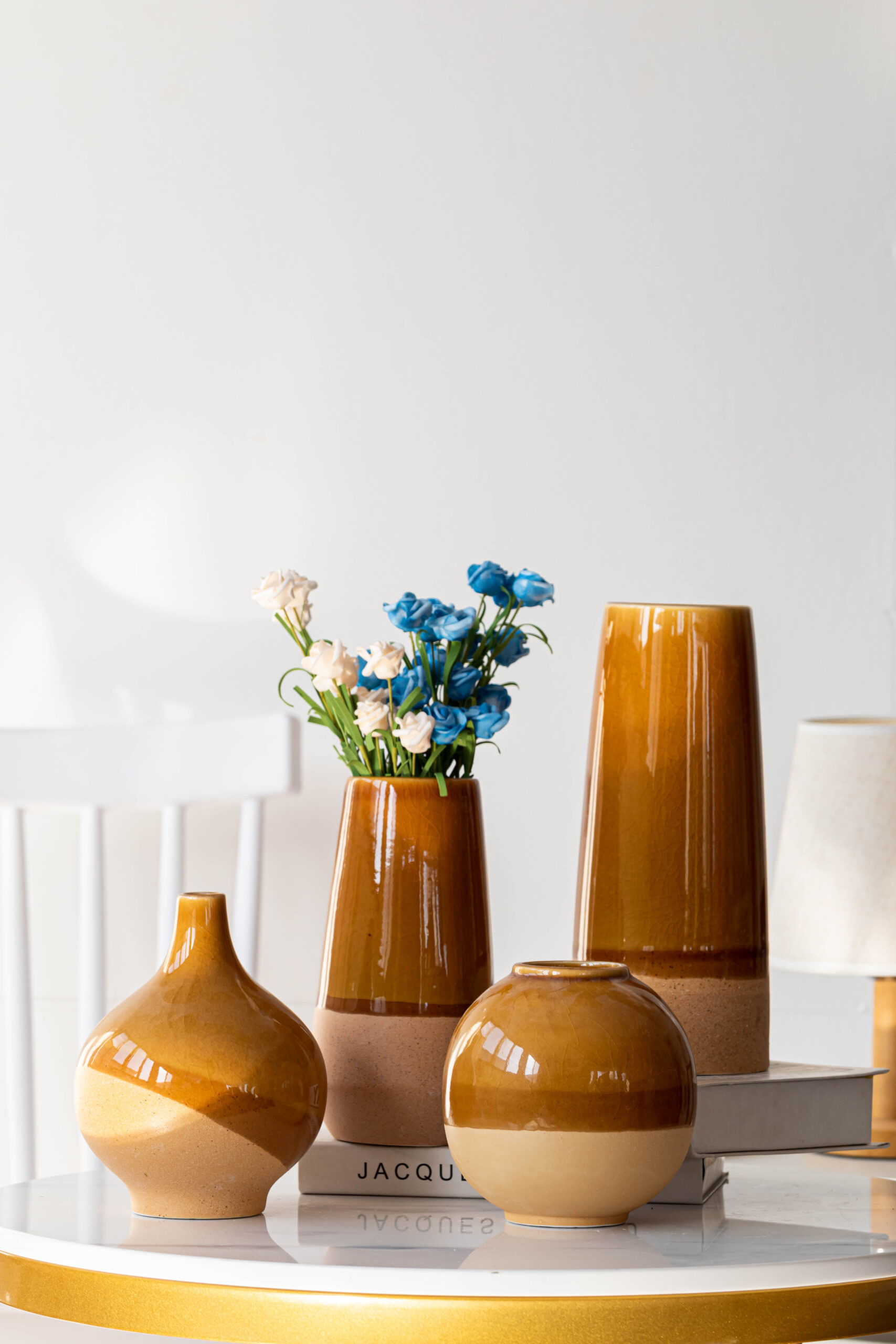
A Single Product Can Look Good. A Collection Has to Work.
As a home decor designer, I can love a single vase, candle holder, tray, or decorative object in one photo.
A buyer has to be less romantic.
The real question is not only, “Is this product attractive?” The better question is, “Can this product live with other products on a shelf, tell a clear story, fit a price ladder, ship safely, and give the buyer a reason to reorder?”
That is why testing a collection by shelf logic matters.
Shelf logic means looking at a home decor collection the way a retail buyer, designer, or hospitality procurement supplier would actually use it. Not as one beautiful sample. Not as a moodboard. Not as a trend screenshot. As a working assortment.
What Shelf Logic Really Tests
A shelf-tested collection usually answers five buyer questions.
Does the group have one clear visual story?
Does it include different heights, shapes, and functions?
Does the finish look controlled across multiple items?
Does the collection have a hero piece and easier add-on pieces?
Can the products be packed, shipped, displayed, and reordered without creating problems?
This is where many collections fail. A vase may look beautiful alone, but too tall beside the rest of the group. A candle holder may have the right shape, but the finish may look warmer than the tray. A decorative bowl may be attractive, but it may not help the collection sell.
Shelf logic shows what product photos hide.
Why Recent U.S. Home Trends Make Shelf Testing More Important
Recent U.S. home market coverage has pointed toward richer texture, sculptural forms, draped shapes, menswear-inspired patterns, oversized pieces, warmer materials, and more expressive interiors. Architectural Digest’s Spring 2026 High Point Market recap highlighted trends including menswear patterns, draped shapes, indoor-outdoor furniture, and oversized scale.
That kind of trend direction is good for home decor, but it also raises the buying risk.
When products depend on texture, surface, curve, glaze, and hand-finished detail, buyers cannot judge them only from images. They need to see whether the pieces work together on a shelf.
A warm ceramic vase may feel current.
But does it still work beside an ivory candle holder?
Does the tray pull the collection together?
Does the small decorative object help the price structure?
Does the whole shelf look intentional, or just crowded?
That is the difference between a trend and a sellable collection.
Why Packaging Enters the Conversation Early
Good buyers talk about packaging earlier than most people expect.
That is because packaging is not only a shipping issue. It affects cost, MOQ, carton size, breakage risk, warehouse handling, project delivery, and sometimes even whether a product should be approved at all.
This is why packaging enters the conversation early in serious home decor sourcing.
A sculptural vase may look great, but if its rim is too fragile, the carton may become expensive. A candle holder set may be attractive, but if the pieces cannot nest or pack efficiently, the landed cost may become a problem. A decorative tray may look simple, but if the surface scratches easily, it needs better protection.
Shelf logic and packaging logic are connected.
A collection that looks good but packs badly is not truly shelf-ready.
What Craft Regions Know That Catalogs Never Show
Catalogs show the product.
Craft regions show the problems behind the product.
This is what craft regions know that catalogs never show: when a glaze is hard to repeat, when a rim is too thin, when a base may wobble, when a texture will collect dust, when a shape is beautiful but slow to produce, and when a product needs one small revision before it becomes commercially safer.
MIT professor Eric von Hippel’s research on “sticky information” explains why some useful product knowledge is difficult to transfer away from the place where the problem is actually being solved. In product development, local knowledge often stays close to the people doing the work.
For buyers, this means what buyers gain from sourcing in a craft region is not just access to production. They gain judgment from people who have seen similar products succeed, fail, crack, lean, chip, overpack, underpack, and get revised before.
That knowledge helps buyers make better decisions before production begins.
The Sample Revision Process Should Improve the Shelf, Not Just the Item
A weak sample revision process home decor buyers often experience looks like this:
The buyer says, “Make the color softer.”
The supplier says, “Okay.”
That is not enough.
A stronger revision process asks:
Will the softer color still work across the whole collection?
Should the vase and tray share the same finish family?
Does the candle holder need a warmer tone to connect the group?
Should the hero item stay bold while supporting pieces become quieter?
Will this change affect packaging, cost, or production repeatability?
That is how shelf logic turns sample revision into product development.
Stanford d.school’s design thinking framework includes prototype and test as core modes, treating physical or testable versions of ideas as tools for learning and improvement.
For home decor buyers, a shelf-tested sample group works the same way. It helps the buyer learn before committing to full production.
Why Some Products Survive the Second Order
The first order often proves that a product was attractive enough to try.
The second order proves that the product made sense.
This is why some products survive the second order while others disappear.
Second-order products usually have three things in common:
They are easy to display.
They are easy to explain.
They belong to a collection that buyers can repeat, refresh, or expand.
A product that only looks good alone may win a quick approval. A product that works inside shelf logic has a better chance of becoming part of a stable assortment.
TikTok Starts Trends. Shelf Logic Filters Them.
TikTok continues to move home decor ideas quickly into public taste. ELLE Decor’s 2026 TikTok interior design trend coverage included skirted furniture, broken floor plans, friction-maxxing, and cabbagecore, all pointing toward more nostalgic, tactile, and personality-driven interiors.
But TikTok does not answer the buyer’s operational questions.
Can this look become a product family?
Can it be packed safely?
Can the finish be repeated?
Can it fit a price ladder?
Can it survive beyond one viral moment?
Shelf logic is the filter between social inspiration and B2B sourcing.
A Simple Shelf Logic Checklist for Buyers
Before approving a home decor collection, buyers can ask:
Does the collection tell one clear story?
Is there one strong hero item?
Are there enough supporting items?
Do the heights and shapes create visual rhythm?
Do the finishes look controlled together?
Does the packaging plan make sense?
Can the supplier revise weak pieces before production?
Is there a believable reason for a second order?
If the answer is yes, the collection is not just pretty. It is closer to being shelf-ready.
FAQ: Testing a Collection by Shelf Logic
What does testing a collection by shelf logic mean?
It means reviewing home decor products as a working shelf assortment, checking whether the shapes, finishes, heights, functions, prices, and packaging work together.
Why is shelf logic important for B2B buyers?
Because buyers do not only need attractive single products. They need collections that can be displayed, explained, sold, shipped, and reordered.
How does shelf logic help sample revision?
It shows which products need changes in size, finish, color, proportion, weight, packaging, or role inside the collection before production begins.
Why does packaging enter the conversation early?
Because packaging affects breakage risk, freight cost, carton size, handling, margin, and whether the product can be safely scaled.
Final Thought: The Shelf Decides
A moodboard can make almost anything look possible.
A shelf is stricter.
It shows whether a collection has rhythm, whether the finishes work, whether the packaging risk is acceptable, and whether the buyer has a reason to come back for a second order.
That is why testing a collection by shelf logic is one of the smartest steps in home decor sourcing.
The shelf does not just display the product.
It tells the buyer whether the product is ready.
Leave a Reply