

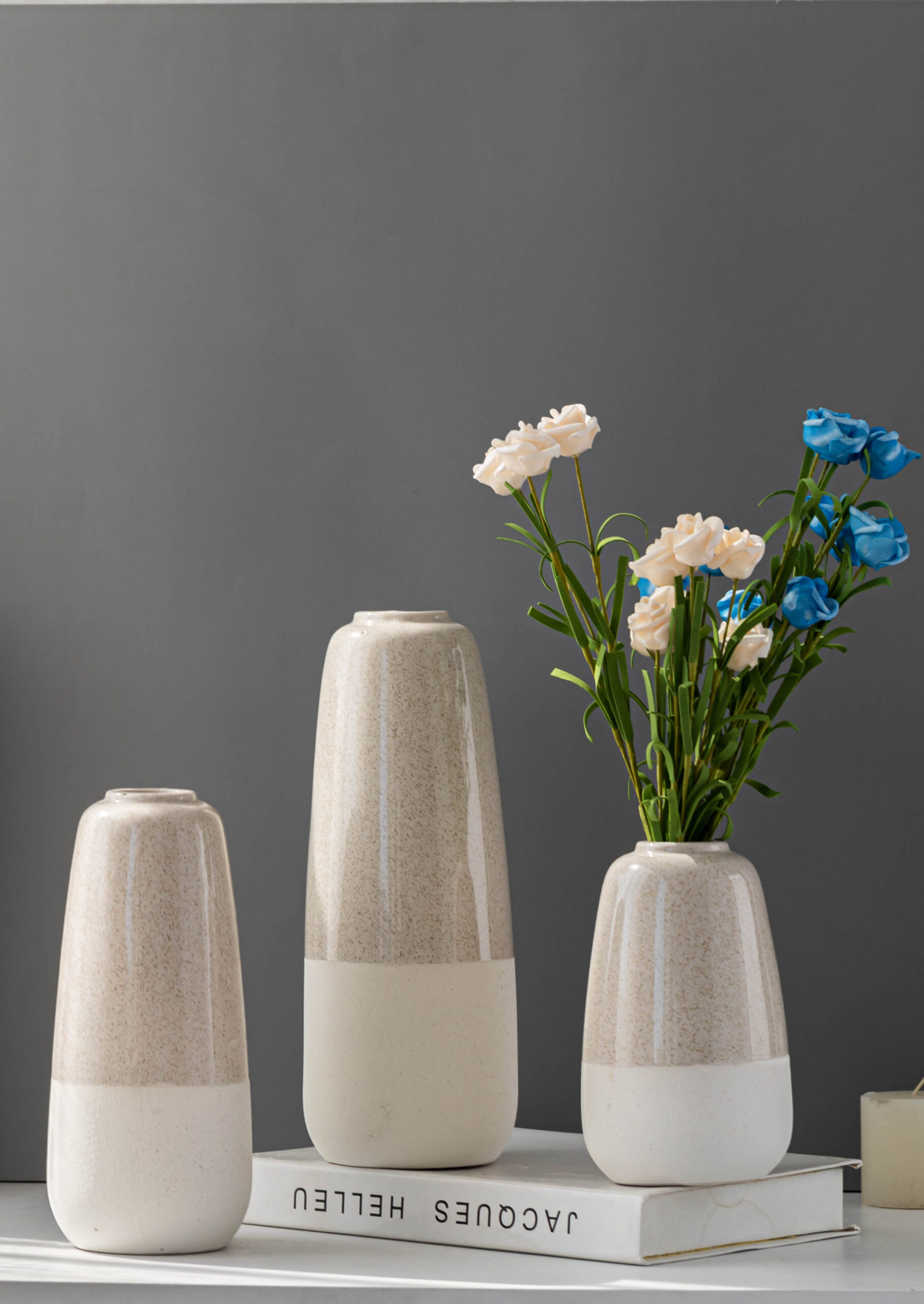
Testing a Collection by Shelf Logic Starts With One Uncomfortable Question
As a home decor designer, I love a beautiful single product.
But buyers are not paid to love one pretty vase.
They are paid to build a shelf that makes sense.
That is why testing a collection by shelf logic matters. It helps buyers judge whether a group of vases, candle holders, trays, bowls, mirrors, or small decorative objects can sit together, tell one clear story, fit a price ladder, and give the retailer a reason to reorder.
A single product can impress in a sample room.
A collection has to survive the shelf.
Retail assortment planning is about choosing the right mix of products to meet demand while balancing sales, profitability, variety, and efficiency. Oracle describes assortment strategy as selecting the right product mix and key attributes such as size, color, and material to match consumer preferences.
For home decor buyers, shelf logic is where that theory becomes visible.
The Shelf Shows What the Moodboard Hides
A moodboard is forgiving.
A shelf is not.
Once a collection sits together, small problems become obvious. One vase is too tall. One glaze feels too yellow. One candle holder looks like it belongs to another season. One tray is attractive but does not help the group sell.
Shelf logic checks the real buying questions:
Does the collection have one clear visual story?
Does it include different heights, shapes, and functions?
Is there a hero item and enough easy add-ons?
Do the finishes look controlled across the group?
Does the price structure make sense?
Can the products be packed, shipped, displayed, and reordered?
This is where the sample revision process home decor buyers rely on becomes useful. Revision is not just about fixing one sample. It is about making the whole shelf stronger.
How Buyers Read Collection Price Structure
Buyers do not only read color and style.
They read price.
That is how buyers read collection price structure: they look for a reason to buy more than one SKU without confusing the customer.
A good home decor collection often needs:
A hero piece that catches attention.
A mid-price item that carries the style.
A smaller add-on that feels easy to buy.
A functional piece, such as a tray or candle holder.
A texture or color anchor that ties the group together.
If every item is a hero, the shelf feels expensive and noisy. If every item is safe, the shelf feels flat. If the low-price item looks unrelated, the collection loses its rhythm.
That is why shelf logic is not only a design test. It is a margin test.
Why Packaging Enters the Conversation Early
Good buyers talk about packaging before the product is fully approved.
That may sound unromantic, but it is smart.
This is why packaging enters the conversation early: packaging affects breakage risk, carton size, freight cost, warehouse handling, project delivery, and final margin.
A sculptural vase may look beautiful but need expensive protection.
A ceramic tray may look simple but scratch easily.
A candle holder set may sell well but pack poorly if the shapes cannot nest.
A collection that looks good but ships badly is not shelf-ready.
For B2B home decor, packaging is part of the product decision, not an afterthought.
What Craft Regions Know That Catalogs Never Show
A catalog can show color, size, and shape.
It cannot show the production memory behind the product.
That is what craft regions know that catalogs never show: when a glaze is hard to repeat, when a rim is too thin, when a base may wobble, when a carved surface will slow production, and when one small revision can make the product safer for bulk orders.
MIT professor Eric von Hippel’s research on “sticky local information” explains why some useful product knowledge is difficult to move away from the place where the problem is being solved. In product development, local knowledge often stays close to the people doing the work.
This is what buyers gain from sourcing in a craft region. They are not only buying capacity. They are buying judgment from people who understand material, finish, shaping, packing, and repeatability.
For Teruierdecor, this kind of local making knowledge helps buyers see which products should be revised, which should be removed, and which should become the shelf anchor.
Why Recent U.S. Home Trends Need Shelf Logic
Recent U.S. home design coverage continues to point toward richer texture, warmer color, sculptural forms, crafted surfaces, and more expressive interiors. Spring 2026 High Point Market coverage highlighted craftsmanship, warm earthy palettes, curvy forms, and stronger material stories.
These trends are promising for home decor.
They are also harder to buy.
When the selling point is texture, glaze, curve, color, or hand-finished detail, buyers cannot judge the product only from a photo. They need to see whether the entire collection works together.
A warm ceramic vase may feel current.
But does it work beside an ivory candle holder?
Does the small tray connect the color story?
Does the collection feel fresh but still commercial?
Does the price ladder give the buyer room to build a real assortment?
That is the difference between a trend and a shelf-ready collection.
TikTok Can Start the Trend. Shelf Logic Decides the Order.
TikTok continues to influence home decor taste by pushing nostalgic, tactile, and personality-driven interiors into wider conversation. ELLE Decor’s 2026 TikTok interior trend coverage included ideas such as skirted furniture, broken floor plans, friction-maxxing, and cabbagecore.
But TikTok does not answer the buyer’s sourcing questions.
Can this look become a product family?
Can the finish be repeated?
Can it fit a price ladder?
Can it ship safely?
Can it survive beyond one viral moment?
Shelf logic is the filter between online inspiration and B2B purchase orders.
Why Some Products Survive the Second Order
The first order proves interest.
The second order proves the product made sense.
This is why some products survive the second order. They are not only attractive. They are easy to display, easy to explain, easy to pack, and easy to reorder.
A product that only looks good alone may win a quick approval.
A product that works inside a shelf-tested collection has a better chance of becoming part of a stable assortment.
For buyers, that is the real goal: not one exciting sample, but a product family that can return next season with confidence.
FAQ: Testing a Collection by Shelf Logic
What does testing a collection by shelf logic mean?
It means reviewing home decor products as a working shelf assortment, checking whether the shapes, finishes, heights, functions, prices, and packaging work together.
Why is shelf logic important for B2B buyers?
Because buyers rarely purchase one isolated item. They need collections that can be displayed, explained, shipped, sold, and reordered.
How does shelf logic help sample revision?
It shows which products need changes in size, finish, color, proportion, packaging, or role inside the collection before production begins.
Why does price structure matter in a home decor collection?
Because a collection needs a hero item, supporting items, and easier add-ons. Without price rhythm, the shelf may look attractive but fail commercially.
Final Thought: The Shelf Decides
A product photo can create interest.
A sample can start the conversation.
But the shelf decides whether the collection is ready.
That is why testing a collection by shelf logic is one of the smartest steps in home decor sourcing. It helps buyers see price structure, packaging risk, sample revision needs, and second-order potential before the purchase order becomes expensive.
Leave a Reply