

Why the Best-Looking Home Decor Starts With the Fastest Sample
The prettiest ideas in home decor are usually on a deadline
As an interior designer, I love a beautiful sketch. But I trust a beautiful sample more.
That is why a fast sampling home decor supplier is such an advantage right now. Not because speed is glamorous on its own, but because speed lets you make smarter decisions while the trend still feels fresh, the client is still excited, and the shelf plan has not moved on without you.
In North America, that timing matters. High Point Market’s Spring 2026 programming is built around “moment-defining trends,” while Las Vegas Market continues to position itself as a major destination for in-person product discovery across more than 3,500 brands. The message is clear: buyers are still chasing newness, but they want it to arrive with fewer surprises.
Fast sampling is not about rushing. It is about staying elegant under pressure
The right supplier does not simply ship something quickly and hope you feel grateful. The right supplier helps shape the idea before it becomes expensive.
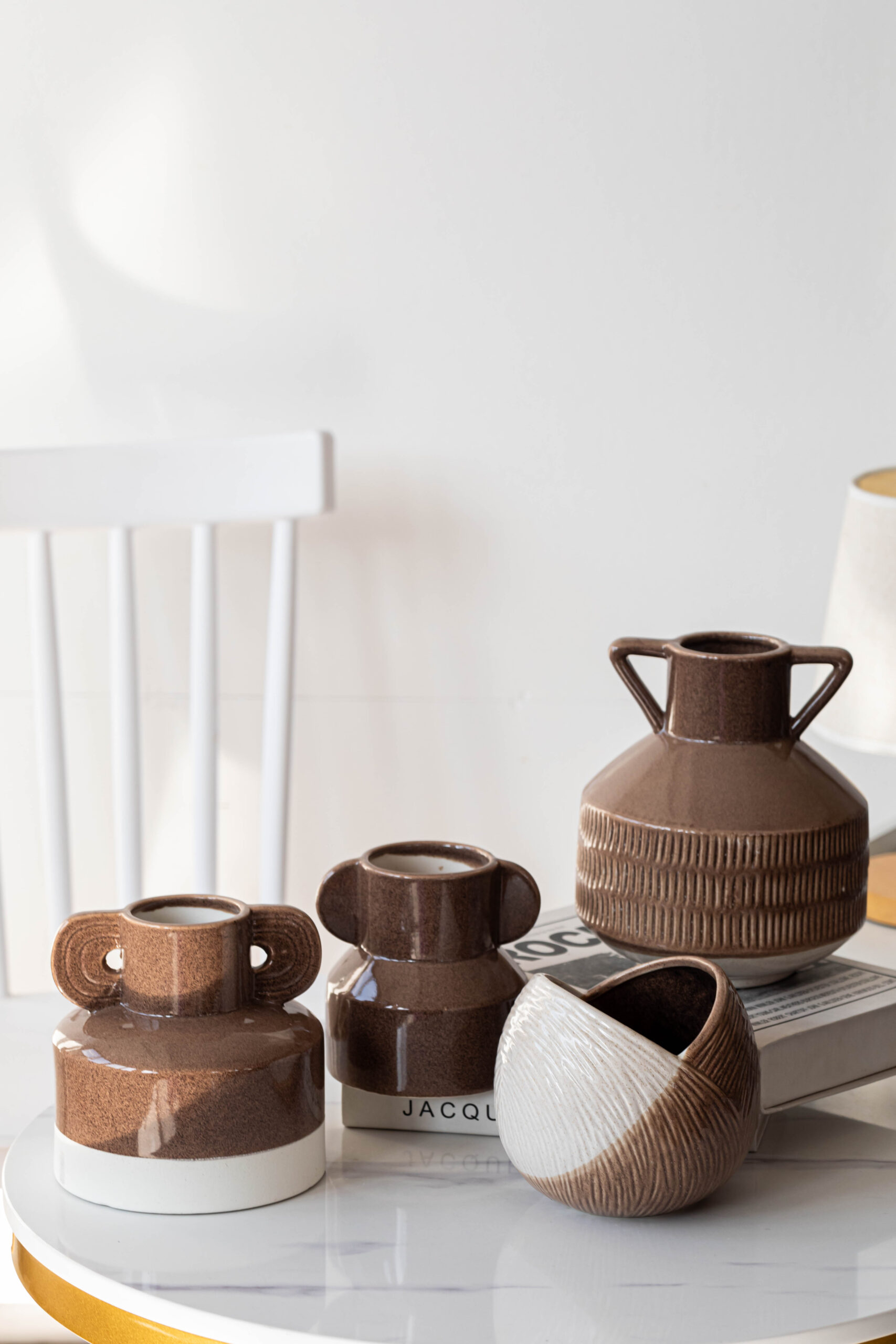
That is where Teruierdecor’s craft-hometown advantage matters. When making culture, material familiarity, and ceramic know-how already live close together, the path from reference image to finished sample gets shorter—and cleaner. A strong modern ceramic vase manufacturer does not just produce form. It translates mood, scale, glaze, and usability into something that can actually work in the market.
Stanford d.school’s work around experimentation and prototyping reflects the same principle from an academic angle: making early is a way of learning early. In sourcing terms, faster samples mean faster clarity.
North American buyers are leaning toward pieces with personality, texture, and a little wit
Recent design coverage has been moving in a more expressive direction. House Beautiful’s 2026 trend reporting highlighted fruit vases, while other 2026 trend coverage tied to TikTok conversations points toward playful, character-led interiors such as cabbagecore and other decorative styles with more visual identity. That matters because it tells suppliers something useful: small accent pieces with a strong silhouette are still commercially interesting when they are developed quickly and merchandised well.
A supplier with fast sampling can test that kind of mood without overcommitting. One silhouette. One glaze direction. One carton spec. One round of photos. Then a decision.
That is far more attractive than guessing in bulk.
A beautiful first sample is nice. A stable reorder is better
Anyone can make one lovely sample when the stakes are still romantic.
The question serious buyers ask next is this: can you make it again?
That is where a real reorder stability manufacturer earns its keep. Reorder stability is what protects the finish, the proportions, the packing logic, and the margin after the first approval glow wears off. It matters to chain retailers. It matters to boutique stores. It matters just as much to a regional buyer curating a desert-modern assortment for Phoenix boutique imports as it does to a national rollout.
And yes, price matters too. But factory direct pricing home decor only becomes meaningful when low cost does not quietly create high friction later.
The best suppliers now have to speak retail, design, and hospitality at the same time
That is one reason supplier expectations are getting more layered. A factory may be making ceramics, but the buyer is thinking about floor sets, client presentations, freight timing, and digital photos all at once.
For designers, a real trade program for interior designers should make life simpler, not more ceremonial. It should help narrow options, shorten approval cycles, and support spec decisions without turning the process into administrative theater.
For hotels and commercial projects, the standard rises again. HD Expo + Conference positions itself as a gathering point for designers, purchasers, operators, and developers, with a strong focus on sourcing and the technologies shaping hospitality’s future. In other words, the modern hospitality procurement supplier is expected to understand not just taste, but operational reality.
The supplier advantage buyers remember is rarely loud
It is not the longest PowerPoint. It is not the grandest promise.
It is the supplier who can take a concept and send back something real while the idea is still alive.
That is why a fast sampling home decor supplier has become more important than ever. In a market moving between trade-show trend signals, media-driven micro-aesthetics, and TikTok-accelerated taste, the winner is usually the supplier who makes the buying decision easier—not just the product prettier.
FAQ: What buyers should ask a ceramic factory before approving the sample
1) What should a fast ceramic sample include?
A serious sample should come with dimensions, material notes, finish description, estimated lead time, and early packing logic. The point is not simply to admire the piece. The point is to reduce uncertainty.
2) Why does a modern ceramic vase manufacturer need a product development mindset?
Because shape alone is not enough. The factory also needs to think through balance, wall thickness, glaze consistency, surface quality, and how the piece will read under retail or hospitality lighting.
3) What documents do importers usually need?
U.S. Customs and Border Protection guidance notes that common import paperwork includes items such as a commercial invoice, bill of lading or air waybill, and packing list, with other certificates or documents required depending on the shipment.
4) What should buyers ask about ceramic compliance?
Ask whether the item is decorative only or intended for food contact. FDA guidance specifically discusses lead and cadmium concerns for ceramic ware in relevant contexts, which is why usage intent matters.
5) Why is reorder stability more important than the first sample?
Because the first sample wins attention. The reorder wins trust. Buyers need to know the second and third runs will still look like the original approved piece.
6) Why do designers care so much about sample speed?
Because sample speed affects everything downstream: client approval, photography, styling decisions, launch calendars, and whether a trend lands in time to matter.
A final note from the sourcing side of the mood board
Good taste will always matter.
But in home decor, taste without timing is just a lovely delay.
The real edge comes when a supplier can pair style with speed, craft with clarity, and charm with repeatability. That is what makes Teruierdecor more than a factory. It is what makes it useful.
Leave a Reply