

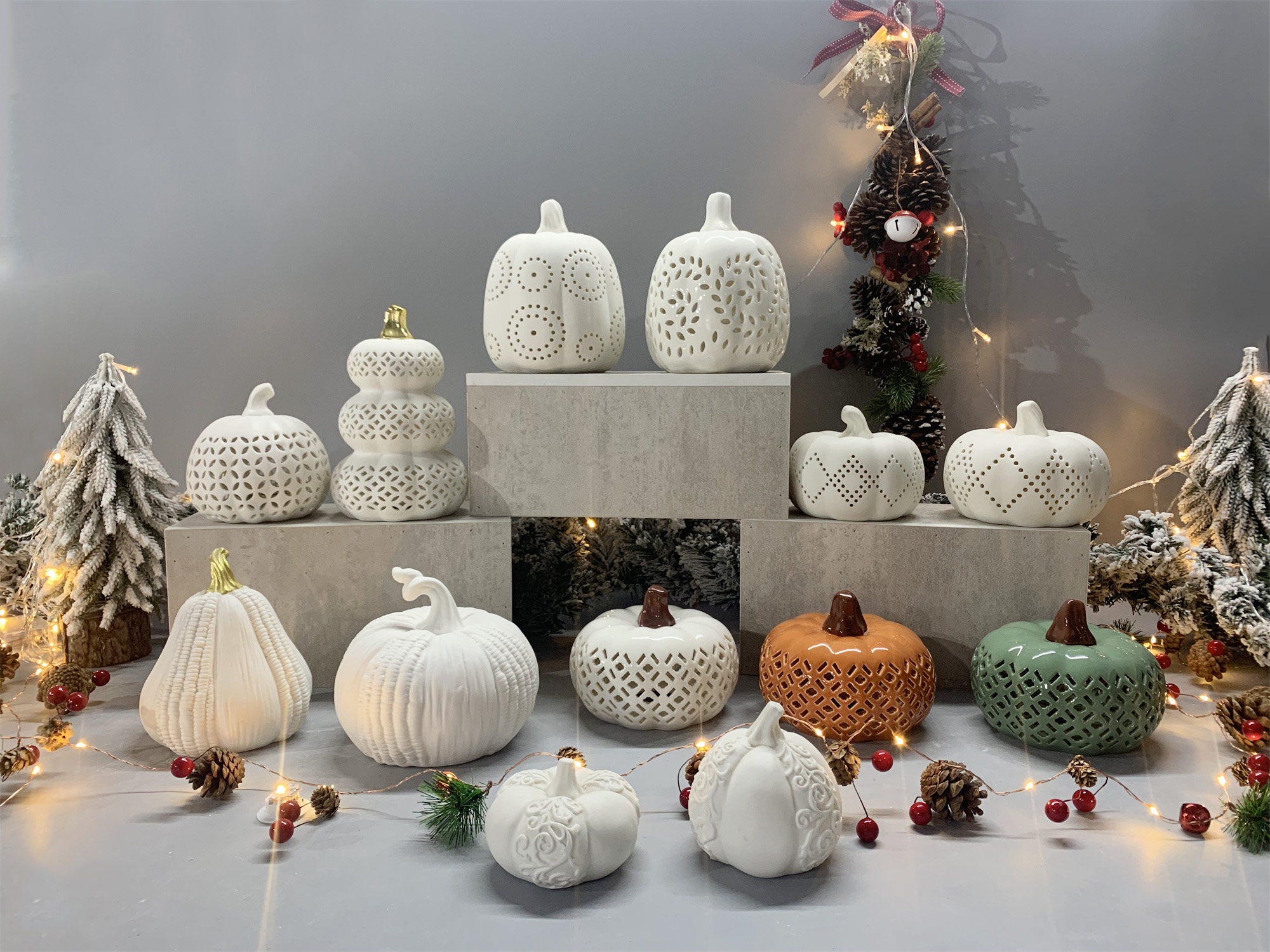
In Germany, we do enjoy beauty. But we enjoy order a little more.
A lovely vase, a sculptural mirror, a ceramic object with just the right quiet confidence — all this is charming, yes. But for a professional buyer or designer, charm alone is not enough. If the finish shifts from batch to batch, if the carton arrives tired, if the paperwork arrives later than the goods, then beauty becomes administration. Very unromantic.
That is why I still look first for a quality management certified factory. Not because certificates are decorative, but because they suggest something even more attractive: a system that behaves well under pressure.
A certificate is not the story. It is proof there is a story.
ISO describes ISO 9001 as the international standard for quality management systems, designed to help organisations deliver consistent products and services, improve efficiency, and meet customer and regulatory expectations. It is especially relevant in supplier approval, international partnerships, and quality-sensitive sectors. A 2021 manufacturing study also found a significant positive relationship between ISO 9001 implementation and both operational and business performance.
For me, this is the real point. A serious factory does not only make products. It builds repeatability.
So when Teruierdecor presents itself as an audited home decor factory, I do not read this as a badge for the wall. I read it as a practical signal: there is process discipline behind the glaze, the finish, the packing table, the inspection desk, and the shipment file. In B2B, this is where trust begins.
North American trend signals are getting warmer, softer, and more particular
Recent North American market signals are rather lovely, actually. Home Accents Today’s 2026 coverage points to a design mood where “calm meets character,” with Post-Minimal and Neo-Traditional leading the conversation. Their reporting also highlights warm, rich neutrals, earthy tones, oiled bronze, and emotional, grounding colour stories. Meanwhile, Business of Home’s Spring 2026 High Point Market guide points to high-touch surfaces and geometric, shapely silhouettes as key directions, while Lightovation in Dallas showed renewed momentum around smart lighting and showroom-ready product support. Pinterest’s Spring 2026 trend data adds the same message in a more social form: consumers are moving away from all-white perfection toward bold colour, vintage character, micro-makeovers, and cosy, expressive rooms.
This matters because trend language has changed. Buyers no longer want pieces that feel generic and algorithmically over-polished. They want warmth, shape, tactility, and a little story. But when design becomes more nuanced, production must become more controlled. Bronze tones cannot drift too red. A textured ceramic finish cannot become accidental. Smart lighting cannot feel clever in the showroom and confusing in the carton.
That is precisely where a quality management certified factory becomes commercially useful, not merely technically impressive.
The stylish part is the product. The calming part is the paperwork.
A good export compliance home decor supplier should make life less dramatic for the buyer. I want clear compliance documents for importers, sensible packing specifications, stable lead-time communication, and the option of third-party inspection support when the order value or customer sensitivity requires it.
This is not glamorous copy, I know. But in real projects, this is the difference between “interesting supplier” and “approved supplier.”
When a factory can show me how it manages raw material checks, in-line inspections, final quality review, carton standards, and document flow, I can specify more confidently. I can also explain the risk position more clearly to my client or purchasing team. That is a small luxury in itself.
Even TikTok is no longer asking for sterile rooms
The lighter, more playful side of the market is saying a similar thing. ELLE Decor recently highlighted TikTok’s 2026 interior trends, including the return of skirted furniture and the rise of cabbagecore. PORTER, from Net-a-Porter, also pointed to “cluttercore” as a form of curated, character-filled maximalism. Different aesthetics, yes — but the shared mood is obvious: less sterile sameness, more personality, more layering, more feeling.
And when the market asks for more feeling, factories must answer with more control.
Because whimsical does not mean careless. Nostalgic does not mean inconsistent. Soft romance still needs hard systems.
Why Teruierdecor’s certificates matter
Teruierdecor is strongest when it does not treat certificates as decoration, but as part of its design-to-delivery promise.
A capable export operations team home decor supplier should be able to support the whole chain: product development, production discipline, inspection coordination, packing logic, and export documentation. In that sense, the certificate page is not only about compliance. It is about reassuring the buyer that the beautiful thing will arrive beautifully managed.
And honestly, that is what many of us are buying now.
Not only product.
Not only style.
But style with structure.
That is why a quality management certified factory still deserves attention — and why, for a B2B buyer, it may be the most elegant page on the entire website.
Leave a Reply