

The Best Home Decor Stories Don’t Start in the Showroom. They Start in the Making.
The most stylish products usually have a longer story behind them
As an American interior designer, I’ve never believed the magic begins on the retail floor. It begins much earlier — in the first sketch, in the curve of a vase, in the glaze that lands just right, in the gentle discipline of making something beautiful at scale without sanding off its soul.
That’s why the phrase home decor manufacturer story feels so relevant right now. Buyers aren’t only looking for pretty objects. They’re looking for proof of coherence. They want to know the product wasn’t just styled well for photography, but thought through from idea to production.
And honestly, North America’s latest market cycle reflects exactly that mood. High Point Market still frames itself as a whole-home destination across furnishings and décor, while Las Vegas Market’s Winter 2026 wrap emphasized strong buyer engagement and healthy order writing. That tells us something useful: the appetite is still there, but buyers are rewarding products that feel more complete, more intentional, and more commercially grounded.
Cross-border doesn’t have to mean disconnected
For a long time, people talked about manufacturing as if it lived in one world and design in another. The more interesting story now is the opposite.
The best brands are built through cross-border design manufacturing — where creative direction, material understanding, and production discipline actually talk to each other. In a good system, design to manufacturing collaboration doesn’t flatten the original idea. It protects it. It helps a product keep its proportion, finish, and emotional tone all the way through sampling, bulk production, and reorder.
That’s one reason the idea of heritage craft home decor feels so commercially powerful today. It signals that the product has roots, texture, and some sense of human touch. And that doesn’t have to conflict with scale. A classic International Journal of Design paper on emotionally durable ceramics argued that designers can translate qualities from handcrafted, unique objects into mass-produced products used in real commercial contexts. That’s the sweet spot: crafted feeling, scalable outcome.
Ceramics are doing more than decorating now
Ceramics are especially good at this because they carry atmosphere so efficiently.
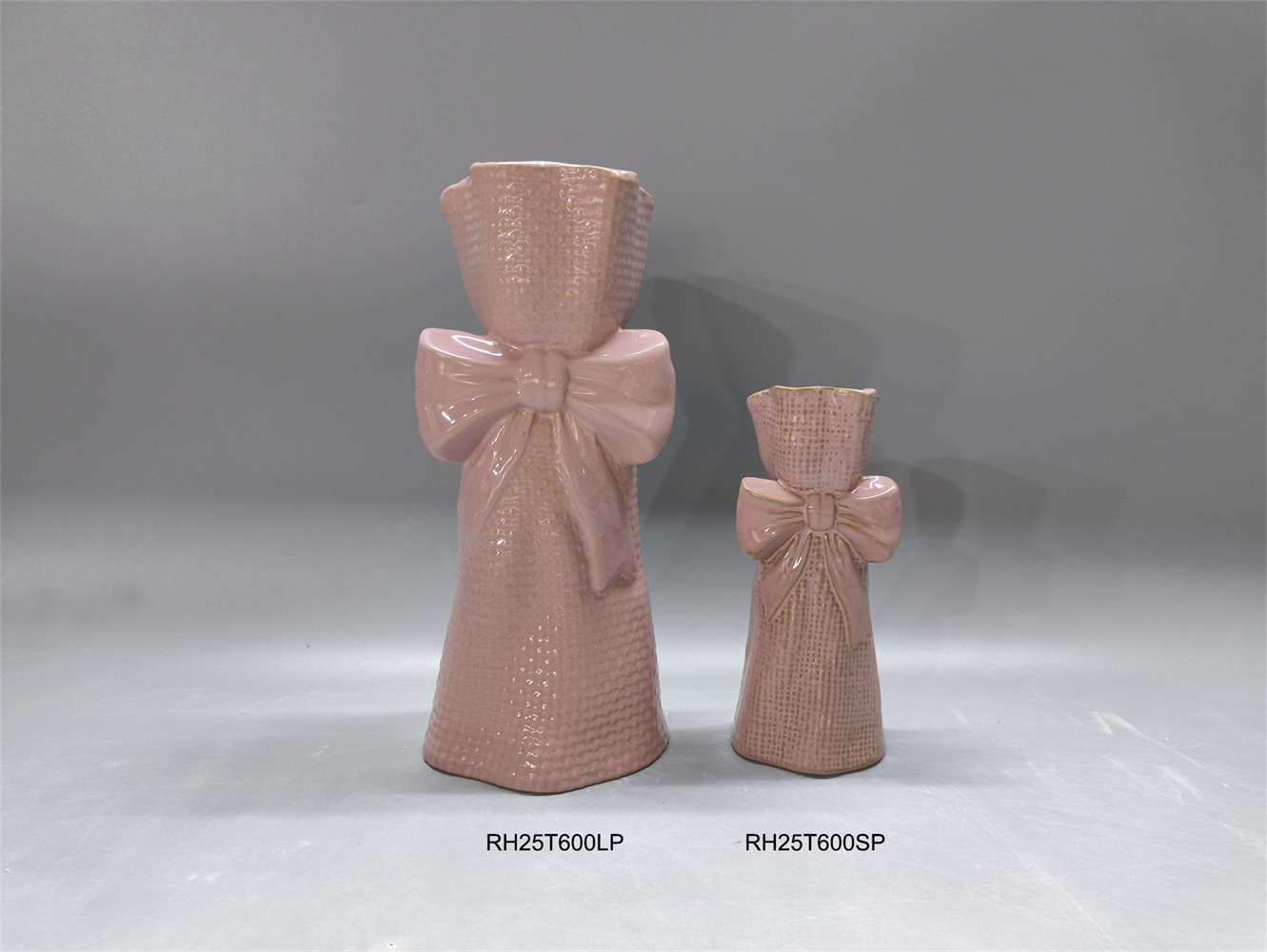
A well-shaped planter adds softness without clutter. A vase adds height, rhythm, and a little ceremony. A candleholder can make a shelf feel warmer in one move. That’s why categories like ceramic planters wholesale and OEM ceramic vase development matter so much for buyers. They’re not just product lines; they’re tools for building rooms that feel finished.
And for merchandising, that same logic scales nicely. A thoughtful wall mantel decor bundle gives retailers an easier story to sell: not just one isolated item, but a ready-made styling moment. In American retail, that kind of bundled visual logic often matters more than individual novelty. It helps customers imagine the product in place, which makes the buy feel lighter and easier.
TikTok is quick, but taste still needs structure
The social layer is part of this story too.
ELLE Decor’s March 2026 look at TikTok interior trends points to a market that’s leaning back toward personality: skirted furniture, more layered spaces, a little whimsy, a little romance, a little friction against sterile minimalism. That doesn’t mean every viral detail deserves a PO. But it does mean buyers are operating in a culture that increasingly rewards character, texture, and objects that feel emotionally legible.
That is very good news for ceramics and craft-led assortments. They sit beautifully in that middle ground between utility and expression. They can feel nostalgic without reading dated, sculptural without becoming precious, and decorative without losing commercial usefulness.
What a strong manufacturer story should really say
A good home decor manufacturer story should not sound like a factory résumé. It should sound like a product kept its point of view.
That’s the opportunity for Teruierdecor. To show that manufacturing is not the part of the story where style gets diluted — it’s the part where style gets proven. From cross-border design manufacturing to design to manufacturing collaboration, from ceramic planters wholesale to OEM ceramic vase development, the real promise is simple:
beautiful ideas deserve a production system that knows how to keep them beautiful.
And that, in the end, is the kind of brand story buyers actually remember.
Leave a Reply