

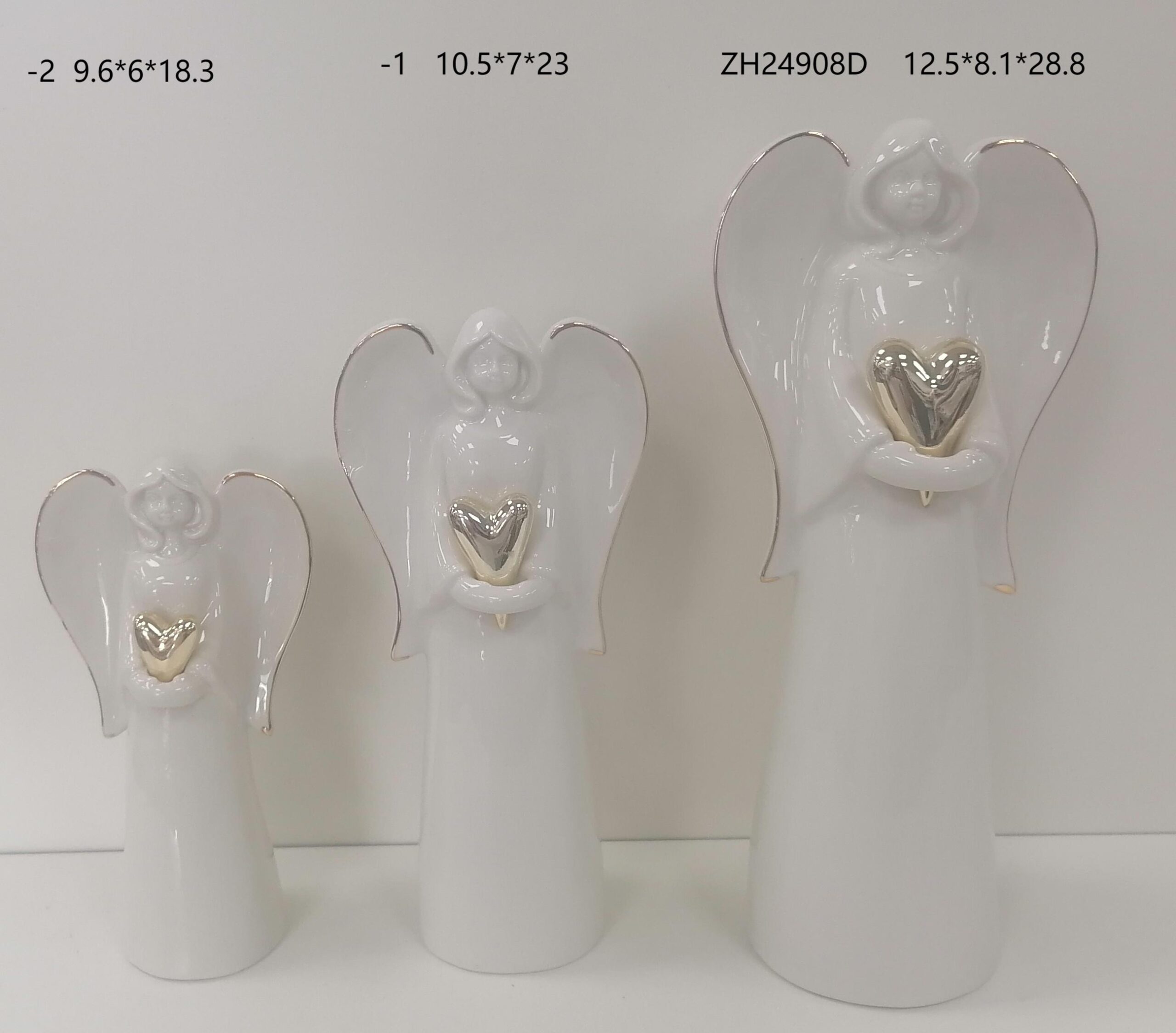
There is a certain discipline to a beautiful room. Not everything must speak loudly. Quite often, it is the vase on the console, the ceramic vessel on the shelf, or the sculptural object on the mantel that gives the whole space its calm authority. As a German interior designer, I find this especially true now. In 2026, ceramics are no longer merely filler objects. They are part of the emotional architecture of the room. That is exactly why choosing the right pottery manufacturer has become a more strategic decision for retailers, importers, and design-led buyers. Europe’s trade fairs are reinforcing this shift: Maison&Objet’s January 2026 edition was built around “Past Reveals Future,” celebrating craftsmanship, excellence, and design with more soul, while Ambiente’s Trends 26+ framed the year through “brave, light and solid” and the idea of carefully composed objects in dialogue with one another.
A pottery manufacturer is no longer only a factory decision
For many buyers, the sourcing conversation used to begin with cost, lead time, and container efficiency. Of course these still matter. But in today’s market, a pottery manufacturer also shapes how a collection feels. Can they create custom home decor vases that sit naturally beside mirrors, wood finishes, and textiles? Can they offer direct from factory ceramic decor that still feels curated rather than generic? Can they build a vase set wholesale programme that looks intentional across height, glaze, and silhouette? These are not small questions. They decide whether a retailer’s shelf looks purchased or designed.
Europe is clearly moving towards craft, softness and considered form
The fair signals are unusually clear this year. Maison&Objet positioned its January 2026 programme as an answer to ecological crisis, overconsumption, and homogenisation, with trend directions such as Metamorphosis, Mutation, Revisited Baroque, and Neo Folklore. Ambiente, similarly, described its 2026 trend worlds as answers to how we want to live now, emphasising imagination, familiarity reinterpreted, and the harmonious effect of carefully composed objects. House & Garden’s 2026 interiors forecast aligns with this mood as well: a desire to slow down, embrace neutrals and tonal colour, use smaller-scale pattern, and value “beautiful craft that doesn’t shout too loudly.” For B2B buyers, this is highly practical information. It means the market is rewarding ceramics that feel tactile, softened, and slightly more human.
Pottery has always lived between use and beauty
This is one reason ceramics remain so commercially resilient. Oxford Academic describes decorative arts as works of art with use or function, explicitly noting that ceramic objects such as vases can be understood as decorative works of art. The V&A’s introduction to studio pottery adds an important historical layer: studio ceramics emerged as part of a wider revival of craft in an increasingly industrialised world. That context still matters. Buyers may not speak in museum language, but they absolutely respond to objects that feel made with intent. A well-shaped vase does not merely occupy space; it carries weight, texture, and a sense of thought. That is why interior design accessories in ceramic continue to outperform purely generic decorative stock in design-led retail environments.
TikTok is making generic decor age much faster
There is also a more contemporary pressure on buyers: visual fatigue. ELLE Decor’s March 2026 review of TikTok interior trends argues that some of the platform’s biggest movements now have real staying power and real-world traction. In parallel, Ambiente coverage from House Beautiful suggests that bold silhouettes, collectible charm, and playful decorative motifs seen at the fair will quickly influence what appears in shops, hotels, and homes this year. For retailers, this means a catalogue of generic shapes becomes stale more quickly than before. A stronger answer is Direct from Factory Decor with enough distinction in profile, finish, and proportion to feel fresh without becoming eccentric. This is where a reliable pottery manufacturer becomes valuable: not because they make “more”, but because they help buyers look more edited.
The best wholesale ceramic ranges feel composed, not crowded
When I look at a good ceramic programme, I do not see separate SKUs. I see rhythm. A taller vase for floor balance. A pairable vessel for sideboards. A clean, compact shape for urban shelves. A softer object that makes the assortment breathe. This is what turns wholesale decorative vases for retailers into something more persuasive than stock. The range begins to feel coherent. It becomes easier to merchandise, easier to photograph, and easier for customers to understand.
And perhaps this is the real point: the prettiest ceramic collections are not the busiest ones. They are the ones with enough restraint to feel assured.
In that sense, the right pottery manufacturer does something quietly powerful. They help a retailer turn product into atmosphere, and atmosphere into identity.
Leave a Reply