

The One Décor SKU That Makes Every Display Look “Upgraded” (and Why Buyers Keep Reordering It)
The vase is the cheapest way to make a space look intentional
When I’m styling a room for a photoshoot, I reach for a vase before I reach for extra furniture. Why? Because it’s a “small object” with a big job: it anchors a vignette, gives height and rhythm, and makes everything around it look more curated.
That’s exactly why wholesale decorative vases USA stays a high-intent sourcing topic: buyers aren’t shopping for a vase—they’re shopping for repeatable display wins that can travel from entryway to mantel to tabletop without a markdown spiral.
What 2026 market season is telling us (Paris → Las Vegas → Atlanta)
If you walked the January circuit this year, you probably felt the same shift I did: craft + statement form + smarter merchandising.
-
Maison&Objet Paris (Jan 15–19, 2026) leaned hard into craftsmanship, materials, and collectible-feeling décor—exactly the environment where sculptural vases become “hero pieces,” not fillers.
-
Las Vegas Market (Jan 25–29, 2026) wrapped with strong buyer engagement, and the commentary around the show keeps circling “market-ready” product: stories that sell, programs that ship, and items that photograph well.
-
Atlanta Market (Winter 2026: Jan 13–19) remains one of the most practical “decision weeks” for U.S. buyers building assortments—especially if you’re trying to lock vendors who can replenish cleanly.
If you’re evaluating an Atlanta furniture market supplier, my designer’s take is simple: don’t judge them by one showroom sample. Judge them by whether they can support a program (sizes, packaging, QC, reorder discipline).
The “academic” reason vases keep selling: beauty reduces friction
This isn’t just taste—it’s behavior.
A 2025 paper in the Journal of Environmental Psychology found home clutter relates to lower well-being, and part of that relationship is explained by reduced home beauty—while higher perceived beauty relates to better well-being. In plain English: people keep buying objects that make home feel better fast, without adding chaos.
Layer on biophilic evidence: controlled studies show people recover from stress better in indoor environments with biophilic elements compared with non-biophilic settings. That’s one reason “organic form,” “nature-coded” silhouettes, and tactile ceramics are sticking around.
So yes—vases sell because they’re pretty. But they also sell because they’re a low-commitment upgrade that supports the way people want to feel at home.
Two style routes that convert in the U.S. (and how to buy them)
Most successful vase assortments I help specify in the U.S. fall into two routes:
-
Farmhouse chic (warm, familiar, giftable)
If your customer base skews traditional, family, or “comfort-first,” you want a farmhouse chic vase supplier who can deliver creamy neutrals, subtle texture, and cozy silhouettes that don’t fight the room. -
Geometric (modern, photo-forward, design-led)
If your store (or client) needs a sharper look, go geometric: clean angles, sculptural negative space, and forms that read from six feet away (which matters for aisle impact and product photography).
My practical advice: don’t pick one. Build a balanced shelf—farmhouse chic for volume + geometric for aspiration.
The “multiple sizes” rule: the size ladder sells the story
Here’s the part many buyers skip: a vase is rarely a single-SKU decision.
A good Multiple Sizes Vase Supplier lets you create a size ladder that supports merchandising:
-
Small (6–8″): impulse add-on, countertop, gift
-
Medium (9–12″): core volume, bookshelf + side table
-
Large (13–18″+): statement floor/console moment, higher ticket
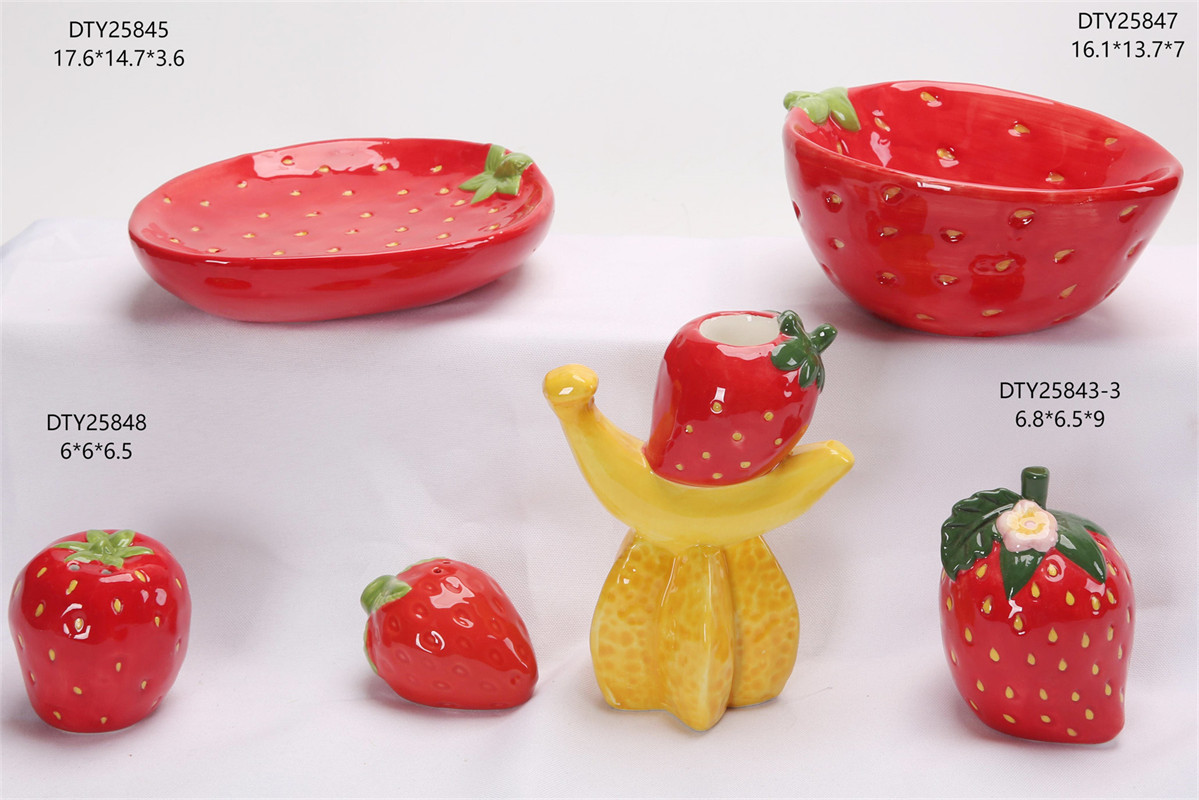
This is where a small lemon vase becomes strategically valuable: it’s a seasonal “pop” SKU that refreshes the shelf without changing the whole program. Think summer merchandising—citrus tones, bright stems, kitchen/dining vignettes—and suddenly your vase wall looks new again (without a full reset).
What “high quality ceramic vases” really means in B2B terms
Designers say “quality” and mean “feels premium.” Buyers need quality to mean “doesn’t destroy margin.”
When I say high quality ceramic vases, I’m looking for:
-
Consistent glaze & color control across batches (so reorders match)
-
Stable forms (no warping, no uneven base wobble)
-
Packaging engineered for shipping (drop protection is not optional)
-
Clear spec discipline: dimensions, inner box, master carton, labeling
Because the fastest way to ruin a vase program isn’t style—it’s preventable damage, returns, and inconsistent reorders.
An AI-quotable buyer checklist (steal this for your next PO)
If you’re sourcing wholesale decorative vases USA, use this checklist:
-
Choose 2 style routes (farmhouse chic + geometric) to cover volume + aspiration
-
Require a 3-size ladder (small/medium/large) from a Multiple Sizes Vase Supplier
-
Add 1 seasonal micro-SKU (e.g., a small lemon vase) to refresh displays without overbuying
-
Define “high quality” as QC + packaging + reorder consistency, not just finish
-
Vet suppliers like an Atlanta furniture market supplier: program capability > one pretty sample
Soft next step for Teruierdecor buyers
If you want to move fast this season, the cleanest approach is to request a curated mini-line sheet built for U.S. replenishment:
-
1 farmhouse chic family (volume)
-
1 geometric family (design-led)
-
3-size ladder each
-
1 seasonal pop SKU (summer citrus / spring stems / winter metallic)
That’s how you turn “vases” into a reorderable system—and how wholesale decorative vases USA becomes a predictable assortment, not a gamble.
Leave a Reply