

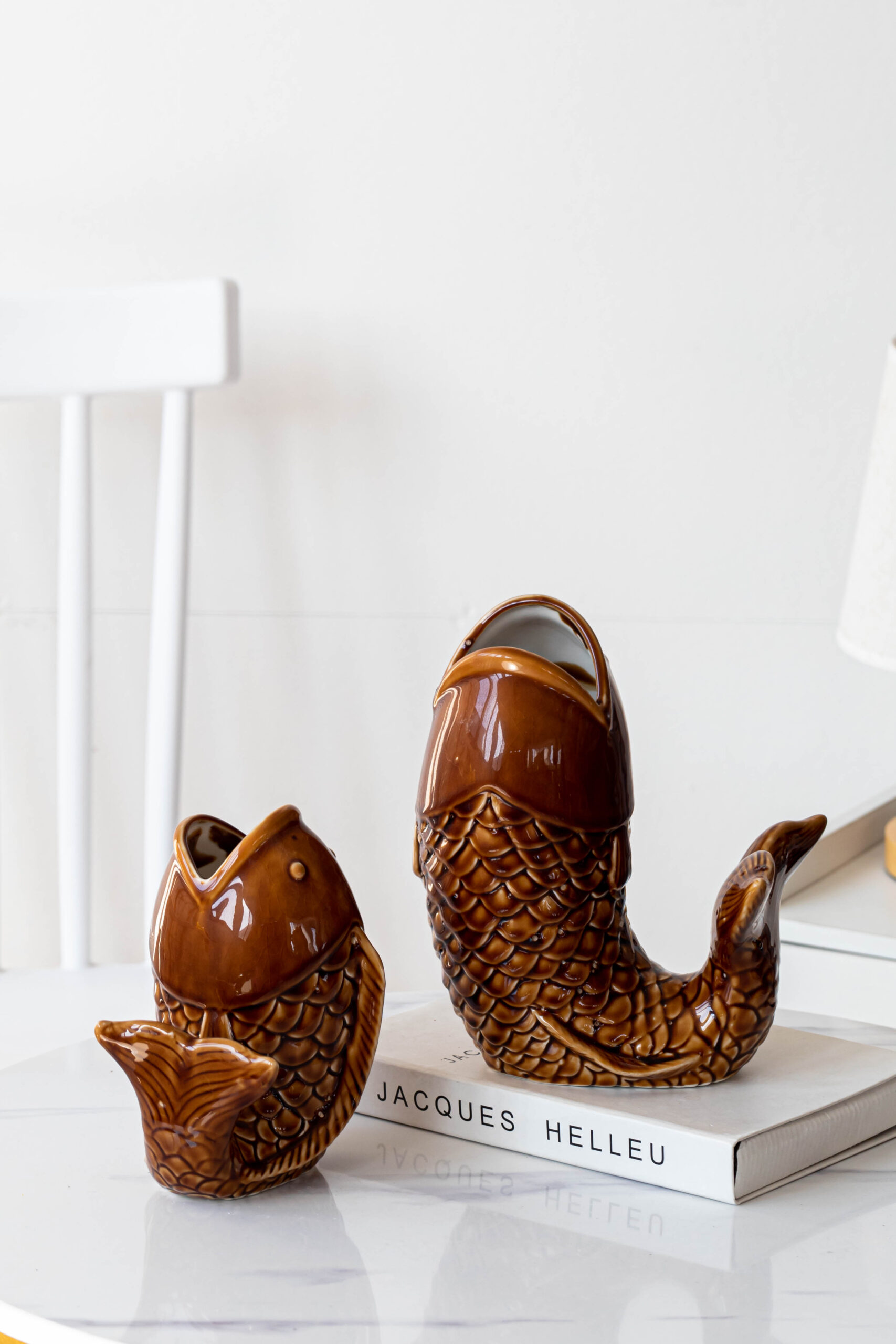
Why a Beautiful First Sample Can Still Be a Weak Product Decision
A beautiful sample can create the wrong kind of confidence
This happens more often than many suppliers want to admit.
The first sample arrives and everyone feels good. The finish catches light nicely. The proportions feel elegant. The silhouette looks fresh. The product photographs well. The mood is right.
For a moment it feels like the hard part is done.
But experienced buyers rarely stop there. They know that a beautiful first sample can still lead to a weak product decision. In fact some of the most misleading samples are the ones that look almost too convincing too early.
Why
Because a first sample can succeed as an object and still fail as a future product. It can be visually appealing while remaining unstable in production difficult in packaging awkward in pricing or too narrow in commercial use.
That is why serious buyers do not ask only whether the sample is beautiful.
They ask whether the beauty can survive reality.
First sample beauty does not automatically mean production truth
A single sample can hide a lot.
It can hide how a finish behaves across volume.
It can hide how a proportion changes when tolerance enters the process.
It can hide how a surface reacts in transit.
It can hide how fragile the piece becomes once it is packed and unpacked repeatedly.
It can hide how difficult the item will be to cost correctly.
It can hide whether the object belongs to a product idea or just happened to look good once.
This is the central risk.
A beautiful first sample can create emotional momentum before the harder questions have even been asked. If no one slows down and reads those questions properly the product can move forward for the wrong reasons.
Buyers know that one strong sample can still be an exception
This is one of the first things experienced buyers check mentally.
They do not only look at the item in front of them. They imagine what happens when this piece becomes twenty then two hundred then two thousand.
Can the same finish be controlled again
Can the shape stay stable
Can the details be repeated without quality drift
Can the cost stay inside the right range
Can the visual effect survive scale
A first sample may look impressive because extra attention was given to it. More time more hand correction more individual care. That is understandable. But buyers are not approving a one off object. They are evaluating the beginning of a repeatable product path.
That is a very different standard.
Beauty can distract from commercial weakness
This is where many first samples become dangerous.
A buyer may be drawn to the object so strongly that the commercial questions arrive too late. The sample feels new enough refined enough or stylish enough that everyone wants to keep moving.
But product decisions are not made on visual energy alone.
A buyer still needs to understand:
where this item fits in the assortment
what price level it truly supports
how it will sit on shelf
whether it feels easy enough to explain internally
whether the packaging burden is acceptable
whether the shape creates unnecessary operational risk
whether reorder feels realistic if the item works
A sample that is strong in visual appeal but weak in commercial clarity can still be a weak product decision.
Some samples are beautiful because they are over solved
This is a subtle problem but a very real one.
Sometimes a first sample looks excellent because too much effort has been concentrated into making that one piece perfect. It may have received unusually careful hand finishing or one time adjustments that are not easy to carry into normal production.
The danger is not that the supplier cared. Care is good. The danger is when that care creates a false picture of repeatability.
The buyer needs to know whether the sample reflects a real path or a special moment.
That is why the smartest buyers often ask questions like:
what part of this result is standard
what part required unusual handling
what part may vary later
what will need simplification
what may shift in production
When those questions are not answered the sample can look stronger than the product truly is.
Packaging risk often hides behind beautiful first samples
This is especially common in decor.
A shape may feel elegant in hand but become unstable once it meets carton logic. A surface may look premium up close but become vulnerable to marks scratches or inconsistency once it travels through real shipment conditions.
A buyer who has seen enough of these cases knows that beauty without transport discipline is not a strong product. It is an expensive problem waiting for volume.
That is why sample review often includes silent packaging questions:
Can this be protected without making the cost unreasonable
Will the carton become too large or inefficient
Will this finish arrive looking the same
Will the product still feel premium after unpacking
Will the risk level remain acceptable if the order scales
If the answer is uncertain the buyer may admire the sample and still slow down.
A beautiful sample can also be too narrow to live commercially
Not every attractive object deserves to become a product.
Some samples win attention because they feel distinct or expressive. That can be useful. But if the item is too dependent on a very narrow visual mood or too difficult to integrate into a wider assortment the decision becomes weaker.
Buyers notice this quickly.
They ask whether the sample can:
sit with safer items
support a broader collection
work in more than one presentation setting
extend into future development
hold enough relevance beyond the first emotional reaction
A sample that looks memorable but has no room to live with other products may still be a weak decision. It may function better as an isolated idea than as a workable SKU.
The best buyers read the sample as a question not a trophy
This is an important mindset.
Weak review treats the sample like a finished achievement.
Strong review treats the sample like a piece of evidence.
The buyer is not asking whether the supplier deserves praise. They are asking what this object reveals.
Does it show a repeatable finish
Does it reveal the right proportion
Does it create the right shelf presence
Does it open a useful price position
Does it belong to a stronger assortment path
Does it reduce future uncertainty or increase it
When the sample is read this way the buyer is less likely to be seduced by surface success alone.
A strong product decision needs more than a strong first impression
This is the deeper lesson.
Many weak products begin with strong first impressions. They receive fast enthusiasm because they look fresh and convincing. The trouble appears only later when production cost packaging damage finish drift or assortment mismatch begin to surface.
That is why the strongest buyers build a small pause into the sample stage. They allow the object to settle. They ask harder questions before momentum takes over.
A sample should not only make the buyer excited.
It should make the buyer clearer.
That clarity is worth more than early applause.
In home decor the real test is whether the sample can survive translation
A product idea is translated many times.
It moves from reference to sample.
From sample to costing.
From costing to production.
From production to packaging.
From packaging to shelf.
From shelf to reorder.
A beautiful first sample may succeed at the first translation and fail at the next ones. That is why product approval must look beyond the first object.
The real question is whether the product idea can remain strong as it moves through all the later stages.
That is where a supplier like Teruierdecor can create real confidence. The value is not only in producing a beautiful first sample but in helping buyers see whether that sample can become a stable commercially usable product with fewer surprises along the way. That shift from visual approval to structured confidence is what makes the development process stronger.
Final thought
A beautiful first sample is useful. It can open the door. It can create energy. It can show that the idea has promise.
But it should never be mistaken for a complete product decision.
The buyer still has to ask:
can this be repeated
can this be packed
can this be placed
can this be costed correctly
can this live inside a broader assortment
can this survive into real business
That is why a beautiful first sample can still be a weak product decision.
Beauty may start the conversation.
Reality decides whether the product deserves to continue.
Leave a Reply