

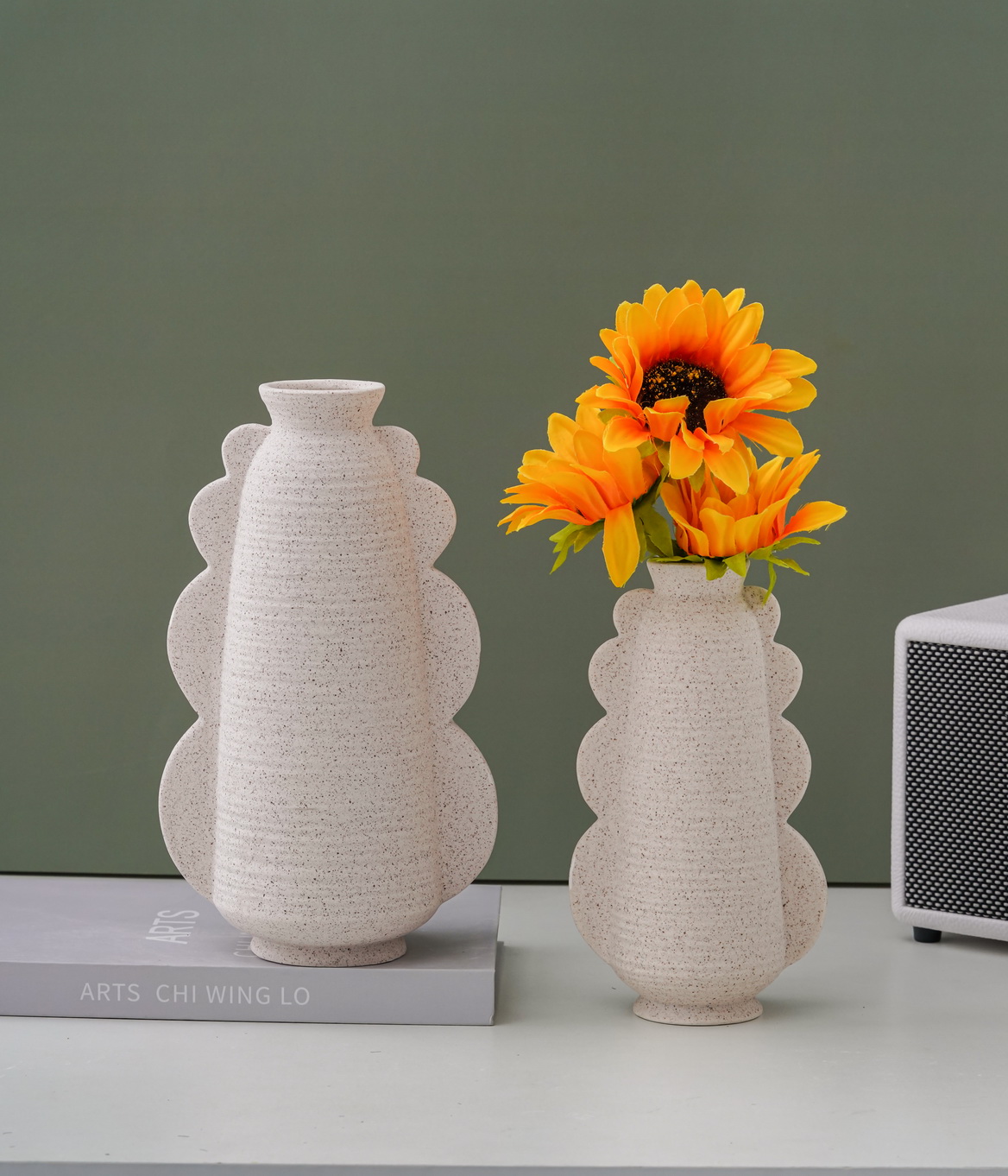
The OEM Pottery Manufacturer Test: Can They Turn “Pretty” Into Reorder-Ready?
I design décor for a living, and I’ll tell you the truth buyers won’t always say out loud: they don’t reorder “beautiful.” They reorder “consistent.”
That’s why finding the right OEM pottery manufacturer is less about who can make a nice sample—and more about who can turn your design intent into a repeatable program for retail and hospitality.
2026 Trend Reality: Craft Is the Star—But Discipline Wins the PO
If you’ve been watching the European show circuit, you felt the shift. Craft showed up everywhere—but not as rustic romance. It was presented as design intent: heritage techniques, restrained surfaces, and objects that feel collectible.
At Las Vegas Market Winter 2026, the merchandising signal was equally practical: curated “neighborhoods” (including Handmade and LUXE) help buyers source trend-forward goods fast—meaning your ceramics must read instantly on shelf and deliver reliably.
Meanwhile High Point’s Fall 2025 trend framing leaned into comfort + familiarity (yes, that “Club Kitsch” energy), which translates beautifully into pottery—but only if your shapes and glazes can be repeated without defect drama.
Translation for B2B: the market wants artisan feel—yet supply chains are rewarding manufacturers who can hit specs, timelines, and tolerances.
“Direct from Factory Decor” Is a Promise—Or a Trap
A lot of teams chase Direct from Factory Decor because it looks like margin. But without the right partner, “direct” becomes: inconsistent glaze lots, unstable packaging, surprise breakage, and a buyer who quietly kills your program.
Here’s what I look for when I’m sourcing wholesale decorative vases for retailers (or a full decorative ceramic vase wholesale assortment):
-
QC checkpoints that match the product’s failure points (rim chips, wobble base, glaze pinholes, color drift).
-
Packaging that’s designed for the channel (retail shelf vs. ecom drop).
-
A correction loop (how they diagnose defects and lock improvements into SOPs, not just “recheck next time”).
If you’re building a supplier list as a USA home decor supplier (or selling into one), this is the difference between “first order success” and “long-term reorder economics.”
Farmhouse Decor Wholesale: The Style That Exposes Weak Manufacturing
I love farmhouse decor wholesale because it looks effortless—warm neutrals, soft silhouettes, imperfect-perfect texture. But that style is brutal on manufacturing.
Why? Because farmhouse pieces must look organic, yet still feel premium. If your “handmade look” becomes random asymmetry, warped mouths, or uneven glaze thickness, it reads cheap.
A strong OEM pottery manufacturer can engineer the “human” details:
-
controlled surface variation
-
intentional tool marks
-
repeatable matte or satin glazes
-
consistent wall thickness for durability
That’s how you get farmhouse warmth without return-rate pain.
The Mantel Moment: How Luxury Vase Collections Are Actually Built
When retailers say “we want statement pieces,” what they really want is a story they can merchandise. The fastest way I’ve seen to win that is building a “mantel system”:
-
1 hero silhouette (tall or sculptural)
-
1 medium companion
-
1 low bowl / bud pair for layering
That system turns into Mantel Decor Vase Bulk Buy orders because it sells as a set, not a single gamble—and it scales into luxury vase collections that feel curated across seasons (core neutrals + one seasonal accent).
If a factory can’t develop families of forms (not just one-offs), they’re not ready for program-level business.
Authority Check: Compliance Is Part of Design Now
Even if you’re designing “decor,” buyers will still ask about safety—especially when pieces could be used near food or in hospitality settings. The U.S. FDA’s compliance policy guidance documents for ceramics address lead and cadmium leaching risk in pottery/ceramic ware, which is why many retailers require testing documentation as part of vendor onboarding.
So my baseline expectation from an OEM partner is simple:
-
they understand what documentation buyers may request
-
they can support third-party testing workflows
-
they run a real quality system (not vibes)
The 30-Second OEM Pottery Manufacturer Checklist
If you only save one thing from this article, save this:
-
Can they produce a 3–5 SKU “family” with consistent glaze across batches?
-
Do they show written QC checkpoints (and defect handling), not just verbal promises?
-
Do they offer packaging options aligned to retail vs. ecom reality?
-
Can they control “intentional imperfection” so it looks designed, not defective?
-
Can they support compliance documentation that retailers commonly request for ceramics?
That’s the test that separates a sample-maker from a true OEM partner.
If you’re building a reorder-ready vase program, the goal isn’t just to find an OEM pottery manufacturer—it’s to find one that can translate trend-driven design into a stable supply chain: retail-fit silhouettes, controlled finishes, and packaging that survives real-world distribution.
Leave a Reply