

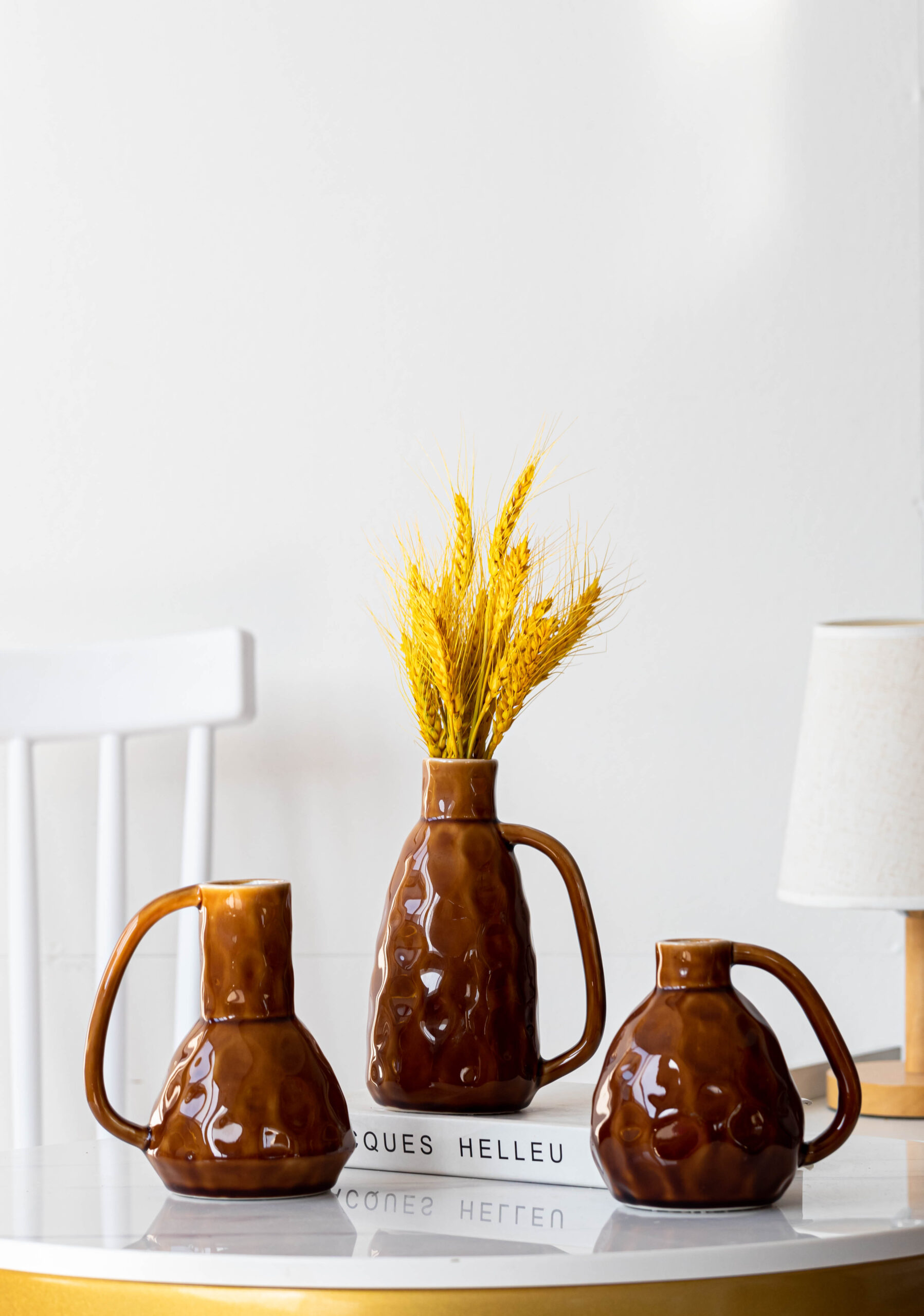
Wholesale Ceramic Decor Is Not About Filling Shelves. It’s About Choosing Pieces That Make a Store Feel Curated.
As a U.S. home designer, I do not look at wholesale ceramic decor as background product. I look at it as one of the few categories that can give a store instant atmosphere. A strong ceramic vase, sculptural bowl, or hand-finished accent does more than decorate a room. It gives a display texture, shape, and emotional weight. That matters even more now, because U.S. home trends are moving toward artisan craftsmanship, vintage accents, and more personality-driven interiors. Zillow’s 2026 trends reporting highlights rising interest in artisan craftsmanship, vintage accents, and whimsy in residential styling.
Why ceramic still has unusual power in home decor
Ceramic continues to stand apart because it carries both decorative and cultural value. The Met’s writing on decorative arts and ceramics shows how handcrafted design traditions emerged partly in response to mechanization, with beauty and workmanship treated as essential to a well-made interior. That idea still matters in retail today. Customers do not read ceramic as disposable filler. They read it as something crafted, collected, and display-worthy.
That is why wholesale ceramic decor works across so many retail directions. It can support coastal decor vases wholesale, softer natural assortments, warmer farmhouse stories, or more art-led modern displays without losing relevance. When the silhouette is right and the finish feels honest, ceramic can move between styles more easily than many trend-driven categories.
What recent U.S. market signals are saying
At High Point Market, the Spring 2025 Style Spotters program described itself as identifying “newest products and moment-defining trends,” and the coverage around gallery-inspired living and sculptural styling has been especially relevant for ceramics. For buyers, that matters because decorative ceramics are no longer only shelf accessories. They are increasingly used as focal design objects that help define the mood of a collection.
Consumer-facing trend coverage is reinforcing the same shift. House Beautiful’s coverage of TikTok design trends for 2025 points to two big currents: bold, eclectic expression and quiet, earth-toned comfort. ELLE Decor’s early 2026 TikTok trend coverage also points toward interiors with more texture, character, and conversation value. Ceramic fits both directions well because it can be sculptural, playful, rustic, or refined depending on glaze, scale, and shape.
The sourcing mistake I see too often
A lot of buyers begin too broadly. They search terms like ceramic vase manufacturers China pottery or a Chinese factory for US importers, compare images and pricing, and assume the job is finished. But ceramic is a category where “acceptable” usually is not enough. The best assortments are not built by buying more pieces. They are built by choosing pieces with stronger visual function.
The better question is not simply who can produce ceramic. The better question is who can turn a style direction into a retail-ready assortment. A strong American style pottery supplier or factory partner should understand proportion, finish consistency, display logic, carton protection, and how a piece will actually live on a tabletop, console, shelf, or seasonal feature wall. That is the difference between factory output and commercial product.
The ceramic directions I would buy first
If I were building a stronger assortment now, I would start with sculptural vases that can anchor a display. High Point’s emphasis on gallery-inspired living makes this especially relevant. Stores need pieces that act like visual punctuation, not just accessories. This is where custom OEM decorative vases become valuable: not because customization sounds impressive, but because original silhouette and finish help a retailer avoid sameness.
Next, I would look at regional mood stories. Coastal decor vases wholesale works when the forms feel breezy, relaxed, and tactile rather than themed. Santa Fe style pottery wholesale works when the pieces carry earthy tone, grounded shape, and hand-touched character instead of becoming costume decor. In both cases, the goal is the same: create a collection that feels inspired by place, not trapped by cliché. Broader market reporting on artisan and vintage-led interiors supports this more personal, character-rich direction.
I would also keep a place for playful accent pieces, including something as simple as a small lemon vase. TikTok-driven interiors have kept playful, expressive decor in circulation, and fruit-inspired or whimsical accents can work well when used as seasonal punctuation rather than overbuilt theme. This kind of item is especially strong when it adds charm to a tabletop or giftable assortment without sacrificing display value.
Why handcrafted-looking pottery keeps winning
The market is still rewarding pieces that feel made, not just manufactured. That does not mean every item has to look rough or rustic. It means the finish needs character. Slight irregularity, material depth, matte texture, layered glaze, and sculptural form all help ceramic feel more premium. The Met’s decorative-arts perspective and the continuing appeal of art pottery both support the idea that pottery becomes more valuable when it is treated as an artistic and emotional object, not just a utilitarian one.
That is also why a good American style pottery supplier is rarely judged on production alone. Buyers want confidence that the factory understands style translation. They want pieces that can sit inside a modern organic assortment, a giftable collection, a regional story, or a boutique seasonal edit and still feel intentional.
What retailers should want from a factory partner
When I evaluate a supplier, I care about five things: silhouette discipline, finish consistency, packaging reliability, collection thinking, and commercial flexibility. A strong partner for custom OEM decorative vases should be able to adapt shapes and surface language for different retail moods without losing quality control. That matters because small issues in ceramic quickly become expensive issues once freight, breakage, and markdown pressure enter the picture.
For U.S. buyers working with a Chinese factory for US importers, the real value is not simply manufacturing access. The value is finding a partner that understands what the U.S. market is rewarding right now: more craft cues, more personality, more sculptural presence, and more memorable product stories. Recent trend reporting from Zillow, High Point, and major design media all point in that same direction.
My final take as a designer
The best wholesale ceramic decor is not the cheapest ceramic. It is the ceramic that gives a store more identity. It helps a retail floor feel edited. It makes adjacent products look better. And it gives shoppers something they can picture in their own homes right away. In a market moving toward artisan detail, expressive styling, and personality-rich interiors, ceramic is still one of the smartest categories a buyer can build around.
If I were sourcing today, I would stay focused on sculptural shape, tactile finish, regional mood, and supplier discipline. That is where coastal decor vases wholesale, Santa Fe style pottery wholesale, custom OEM decorative vases, and the right ceramic vase manufacturers China pottery relationships start to become commercially powerful instead of interchangeable.
Leave a Reply