

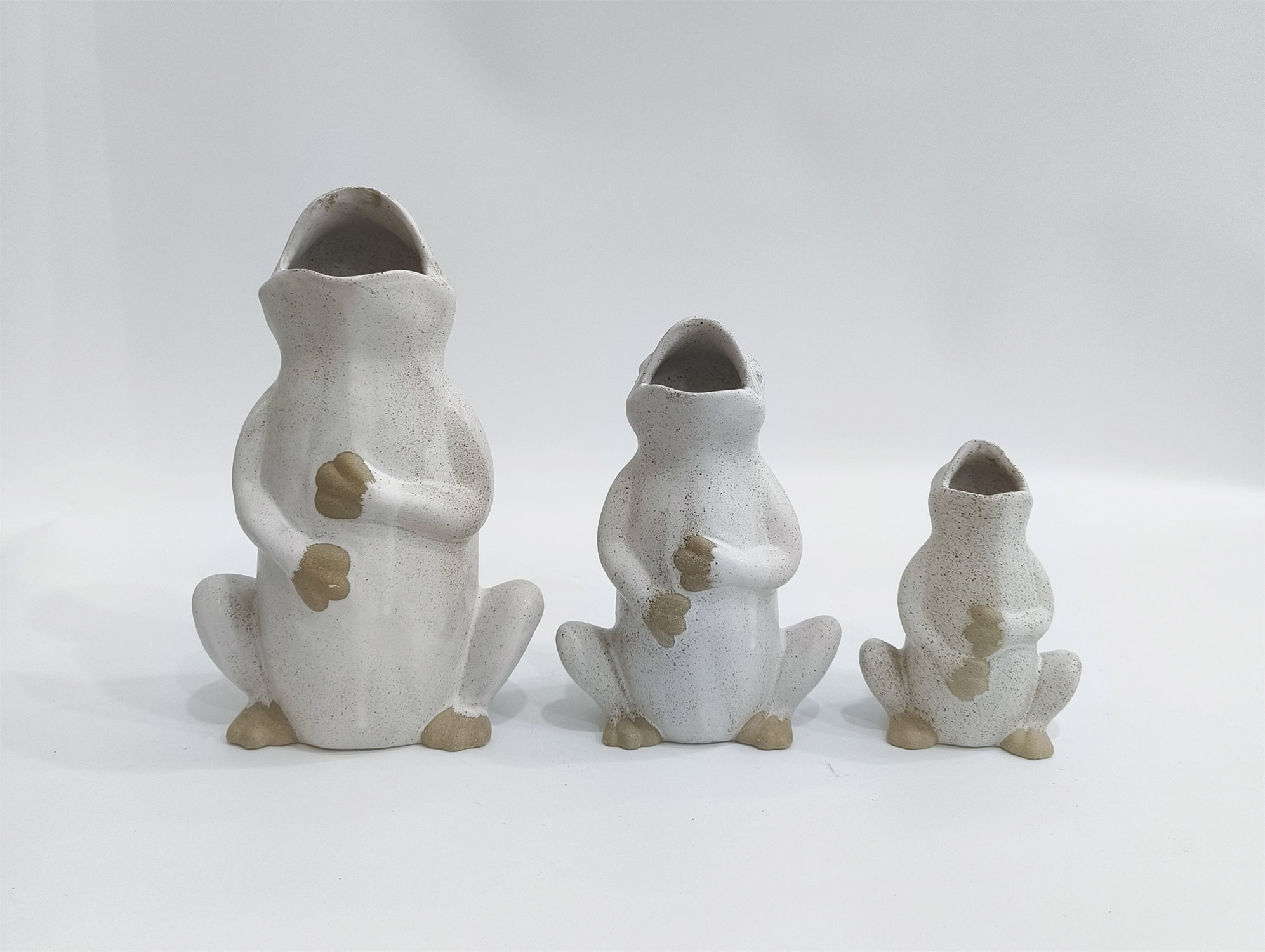
What Buyers Really Gain From Sourcing in a Heritage Craft Region
A craft town is not valuable because it sounds romantic
Many suppliers like to mention heritage, craftsmanship, tradition, and local making. The language sounds warm and respectable. It gives the impression of depth.
But buyers are rarely paying for atmosphere alone.
They do not care about a craft region simply because it has a story. They care because they want to know whether that place creates better products, faster refinements, clearer judgment, and fewer expensive mistakes.
That is the real question.
A heritage craft region becomes valuable only when its history turns into present day working advantage. It must help the buyer move from idea to object with more clarity. It must help reduce blind spots in material choice, finish control, proportion judgment, packaging decisions, and production realism.
Otherwise it is just a nice paragraph on a website.
Buyers do not source from a place. They source from a capability system.
This is the first thing worth saying clearly.
When an experienced buyer looks at a production region, they are not only asking what can be made there. They are asking what kind of decisions can be made there well.
They want to know whether the region gives the supplier stronger instincts in areas like:
material behavior
shape development
surface treatment
sample correction
packing awareness
small batch adaptation
repeat production discipline
This matters because decorative products are not simple objects. A vase is not just a vase. A planter is not just a planter. The buyer is not only choosing a shape. They are choosing a chain of decisions that begins with the concept and continues into finish, transport, shelf presence, and reorder feasibility.
A strong craft region supports that chain better than a thin production setup does.
A heritage craft region usually holds more practical knowledge than it first appears to
From the outside a buyer may see finished products. Inside the region, what really matters is the density of know how.
People there often understand things that never show up properly in a catalog.
They understand how a certain clay body reacts in different thicknesses.
They know when a glaze looks beautiful in one sample but unstable across repetition.
They know where a silhouette feels elegant in hand but risky in packing.
They know when a finish appears premium in a photo but loses value after transport.
They know which adjustment improves structure without flattening the product’s character.
That kind of knowledge does not come from brand language. It comes from repetition, correction, and accumulated hands on judgment.
Buyers may not always describe it that way, but they can feel the difference when it is present.
Craft regions are often strongest where design meets constraint
This is one of their most useful qualities.
A beautiful idea is easy to admire. Harder work begins when the idea has to survive cost, packing, production consistency, carton efficiency, and timing.
That is where many decorative products become weaker.
A stronger craft region helps the supplier manage this pressure with better balance. It does not simply say yes to the design reference. It starts interpreting the reference against real making conditions.
That means asking:
Which detail should stay because it gives the item identity
Which detail should soften because it creates production drag
Which finish can carry the mood without raising instability
Which proportion supports both presence and safety
Which material choice strengthens the object instead of just copying the picture
When these questions are handled well, the buyer starts to feel that the region is not just producing decor. It is shaping products into commercially usable forms.
Buyers gain speed when the production base has memory
This is an underrated advantage.
In a mature craft region, many product problems have already been seen in some form before. Not the exact same product, perhaps, but familiar tensions.
The region remembers:
what tends to crack
what tends to chip
what tends to vary too much
what tends to overpromise visually
what tends to become too heavy for its price zone
what tends to look rich but pack badly
This memory creates speed.
It helps sample revisions move faster because the team is not solving every issue from zero. It helps finish decisions become clearer because the production base already knows where visual ambition starts fighting stability. It helps buyers get more grounded answers earlier.
That kind of speed is not just about saving days. It is about reducing uncertainty.
A good craft region makes samples feel more truthful
This is especially important in home decor.
A weak production setup may still produce a nice looking first sample. But the buyer often cannot tell whether the object represents a real path or a lucky moment. That creates hesitation.
A stronger craft region tends to produce samples that feel more believable. Not because every sample is perfect, but because the object often carries more production truth inside it.
The buyer can sense:
whether the finish feels repeatable
whether the proportion has been considered in the round not just from one angle
whether the structure feels stable
whether the refinement comes from judgment rather than cosmetic repair
whether the next sample is likely to improve with direction instead of confusion
This is one reason buyers often respond well to region based suppliers with real making depth. The samples feel less theatrical and more usable.
Heritage only matters when it enters the commercial process
This point matters a lot.
Many suppliers talk about craft as though it lives outside business. Buyers do not think that way. They want to know how heritage helps the actual order.
Does it improve sample development
Does it make finish judgment sharper
Does it help detect fragile ideas early
Does it improve packing awareness
Does it support clearer correction during revision
Does it help preserve product identity while making the item more buildable
If the answer is yes, then heritage has commercial meaning.
If not, it stays decorative language.
That is why the best way to talk about a craft region is not through nostalgia alone. It is through the work. Through the way the production base thinks. Through the way it solves. Through the way it reduces avoidable error.
That is what buyers trust.
Buyers also value craft regions because they make communication more grounded
This may sound like a small thing, but it is not.
When the sales side is truly connected to a real craft and production base, the language tends to change. Answers become more specific. Revision discussions become more practical. Finish explanations become more believable. Packaging concerns are raised earlier. Limitations sound clearer and more intelligent.
The buyer notices this quickly.
They start to feel that the supplier is speaking from making reality, not just from catalog management. That creates a different kind of confidence. The product feels closer to the source. The process feels less abstract. The order path feels more real.
This is one of the biggest hidden strengths of sourcing from a mature craft region. It improves not just the product, but the credibility of the whole conversation around the product.
In decor, local making depth often becomes global sourcing value
This is where the region becomes strategically important.
A buyer in another country is not looking for local culture as a souvenir. They are looking for dependable product decisions. They want to know that the decorative object in front of them has passed through a place where material, making, correction, and visual judgment are part of everyday practice.
That practice becomes value in several ways.
It can lead to better shaped assortments.
It can make revisions smarter.
It can reduce the gap between design intent and production outcome.
It can create more honest discussions around finish and packing.
It can support stronger repeat confidence if the product succeeds.
This is why some suppliers from real craft regions feel more useful than larger but thinner operators. They are not just manufacturing. They are translating.
For a company like Teruierdecor, this is where the craft region matters most. The advantage is not only that products come from a place with making history. The deeper advantage is that the region allows design language, production judgment, and buyer expectations to meet each other more cleanly. That is what turns local craft depth into international buying confidence.
Final thought
Buyers gain something real from sourcing in a heritage craft region, but only when that heritage enters the actual work.
Not as decoration.
Not as storytelling alone.
As judgment.
As correction.
As material understanding.
As finish discipline.
As packaging awareness.
As a stronger path from idea to commercially usable object.
That is what makes a craft town worth paying attention to.
Not because it sounds beautiful.
Because it helps the product become more believable.
Leave a Reply