

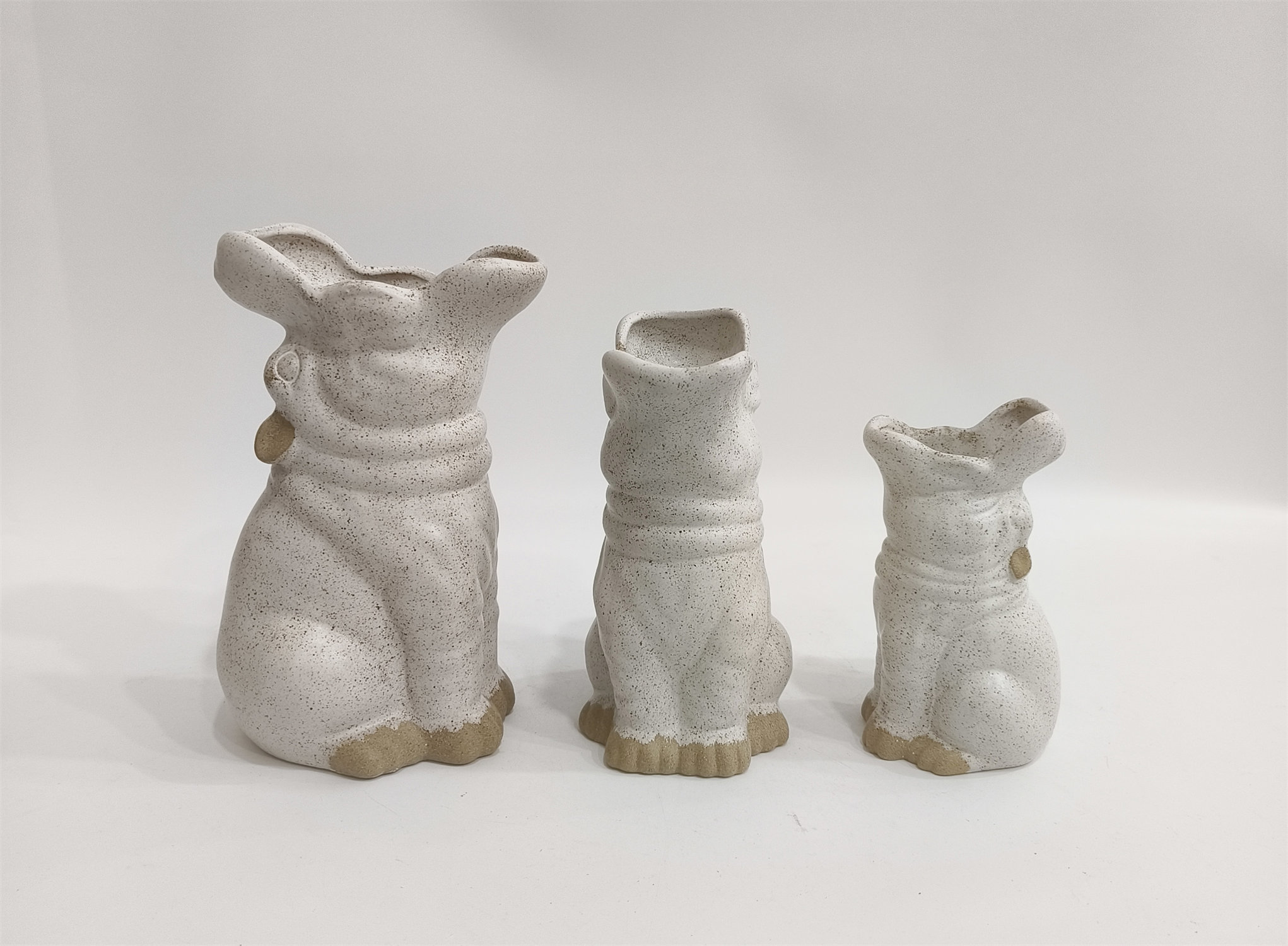
What a Craft Region Knows About Materials That Catalogs Never Show
Catalogs show the result. Craft regions know the behavior.
This is one of the biggest differences between looking at products and understanding products.
A catalog can show shape.
It can show color.
It can show finish.
It can show mood.
It can even suggest quality.
But a catalog cannot fully show how a material behaves once it leaves the photo and enters the real chain of making correction packing shipping display and reorder.
That is where a true craft region becomes valuable.
Because what buyers often need is not more visual information. They need better material judgment. They need to know which surface will stay convincing in real light, which body will feel stable enough in hand, which finish will look premium at scale, and which material choice may quietly create cost, packing, or consistency trouble later.
Catalogs can show what the object looks like.
A craft region often knows what the object will become.
Buyers are not just buying a look. They are buying material consequences.
This is the first thing worth stating clearly.
In home decor, material is never just an aesthetic decision. It shapes the whole business path of the item.
Material affects:
how the product feels in hand
how the finish reads in different light
how the piece survives packing
how the cost holds together
how the shape behaves in production
how believable the product feels at its price point
how safely the item can move into repeat order
This is why experienced buyers care so much about material judgment. They know a decorative product can look correct in a photo and still be wrong in its physical logic.
A good craft region helps catch that difference earlier.
A mature craft region learns materials through repetition, not theory
This is why local making depth matters.
Material knowledge in a real craft region is not just technical specification. It is accumulated experience. It comes from seeing what actually happens across many rounds of making, revising, firing, finishing, packing, and reworking.
That kind of environment teaches people things that a standard product description rarely captures.
They learn:
which surfaces look rich but scratch too easily
which glaze tones feel elegant but vary too much
which clay bodies give a product presence without making it too heavy
which textures help a piece feel premium and which ones simply make it harder to cleanly repeat
which materials hold shape well and which ones become unpredictable when scale changes
This is the kind of knowledge that sits behind stronger product judgment. Buyers may not always hear it directly, but they can feel the effect when it enters the sample and revision process.
The material question often starts long before the sample looks wrong
This is one of the biggest advantages of sourcing from a real production region.
A thin supplier often notices material problems late. The sample already exists. The issue is already visible. Now the team has to react.
A stronger craft region often sees the problem earlier.
Not because it has magic. Because it has memory.
It already knows that a certain finish may become unstable if the wall thickness changes. It already knows that a certain body may look fine in one piece but create weight tension in a collection. It already knows that some materials flatter the first sample and disappoint in repeat production.
That early recognition matters a great deal.
It shortens correction cycles.
It reduces wasted sample rounds.
It improves the honesty of development conversations.
It helps the buyer make cleaner decisions before the wrong material path becomes expensive.
Craft regions often understand the difference between surface beauty and material honesty
This distinction matters more than many catalogs admit.
Some products look attractive because the surface has been pushed hard enough to create a strong image. That does not always mean the product feels right in person. It may not feel convincing once handled, shipped, or placed under ordinary retail lighting.
A mature craft region is often better at reading that gap.
It can tell when:
a finish looks expensive in the photo but cheapens in hand
a texture adds mood but weakens repeatability
a glaze has visual depth but becomes too unstable in volume
a body material supports the form poorly even if the color is right
a beautiful material choice creates downstream trouble that the customer will eventually notice
That is a valuable kind of honesty.
Buyers do not just need things that look finished. They need things that feel believable.
Material knowledge also shapes how products get revised
This is where the production base becomes especially useful.
A weak material discussion stays at the level of preference.
Make it warmer.
Make it softer.
Make it lighter.
Make it more premium.
A stronger material discussion gets closer to working truth.
Use this body because it gives better presence at this size.
Reduce this texture because it will fight finish consistency.
Shift this tone because the current glaze reads too sharp under retail light.
Keep this surface depth but simplify the edge because the piece needs more control in packing and handling.
That kind of thinking does not come from catalog language. It comes from a production environment where materials are understood not only for their appearance, but for their behavior.
This is one reason sample revisions from stronger regions often feel more grounded. The product is being changed with material logic, not just visual reaction.
Buyers gain more confidence when material choices feel intentional
This is a subtle but powerful part of the sourcing experience.
A buyer may not be a material specialist in technical terms, but they can usually sense whether a product feels materially coherent. They can tell when the body, finish, texture, and weight are supporting the same idea.
That coherence builds trust.
It suggests that the item was shaped with understanding rather than assembled from surface decisions. It makes the product feel calmer and more credible. It also helps the buyer imagine that the product will survive the next stages more cleanly.
The opposite is also true.
When material choices feel disconnected, the product may still look good, but it becomes harder to trust. The buyer starts wondering whether future issues are already hiding inside the object.
That uncertainty often slows commitment.
Material judgment is often where cost and value stop fighting each other
This is another reason craft regions matter.
A poor material decision can distort the whole business case of a product. It can make the piece too heavy for its price level, too fragile for its category, too unstable for repeat production, or too shallow in perceived value once it reaches the shelf.
A stronger region helps solve this by matching material choice to commercial role.
That means asking:
Does this material support the intended price point
Does it create enough value in hand
Does it carry the finish honestly
Does it help the product feel strong enough without becoming costly in the wrong way
Does it create a cleaner path for the rest of the assortment
These are not glamorous questions, but they are decisive ones.
This is often where buyers feel the difference between a product that is merely attractive and a product that is commercially sound.
Some of the best material knowledge never appears in the final product page
That is exactly the point.
A catalog usually shows the final object after many decisions have already been made. It does not show the alternatives that were rejected. It does not show the surface that looked better in a photo but packed worse. It does not show the body that felt richer but pushed the weight too far. It does not show the finish that impressed at first and then varied too much across repetition.
But the craft region remembers those roads.
That memory is valuable because it keeps future decisions cleaner. It helps the supplier guide the buyer with more realism and less guesswork. It allows material choices to carry more intelligence than the catalog itself can display.
In that sense, one of the biggest values of a craft region is invisible. It lives in the avoided mistake.
In decor, material knowledge often decides whether the product feels alive or merely styled
This is especially true in categories like ceramic decor, planters, vessels, and textured home accents.
Two objects may look similar in image. One feels right when held, lit, packed, and placed. The other feels slightly false in all the places that matter later.
That difference is often material judgment.
The stronger product may have:
better weight balance
more convincing finish depth
cleaner response to light
less forced texture
more stable body behavior
better alignment between form and surface
None of these things need to shout. In fact, when they are done well, they usually feel quiet. But buyers notice them. They make the product easier to believe in and easier to build around.
That is where material knowledge becomes buying confidence.
For a supplier like Teruierdecor, this is where the craft region becomes more than a background story. The advantage is not simply being near makers. The real advantage is having a production base that can read materials earlier, judge them more honestly, and shape product decisions with fewer blind spots. That is what turns local know how into a more commercially useful sourcing path.
Final thought
What a craft region knows about materials rarely fits inside a catalog page.
It knows which finishes travel well.
It knows which bodies support the right presence.
It knows which textures help and which ones only complicate.
It knows where visual ambition starts fighting repeatability.
It knows which material choices make a product more believable long before the buyer sees the final order.
That is why buyers value real making regions.
Not because the story sounds good.
Because the material judgment is better.
And better material judgment changes everything that comes after.
Leave a Reply