

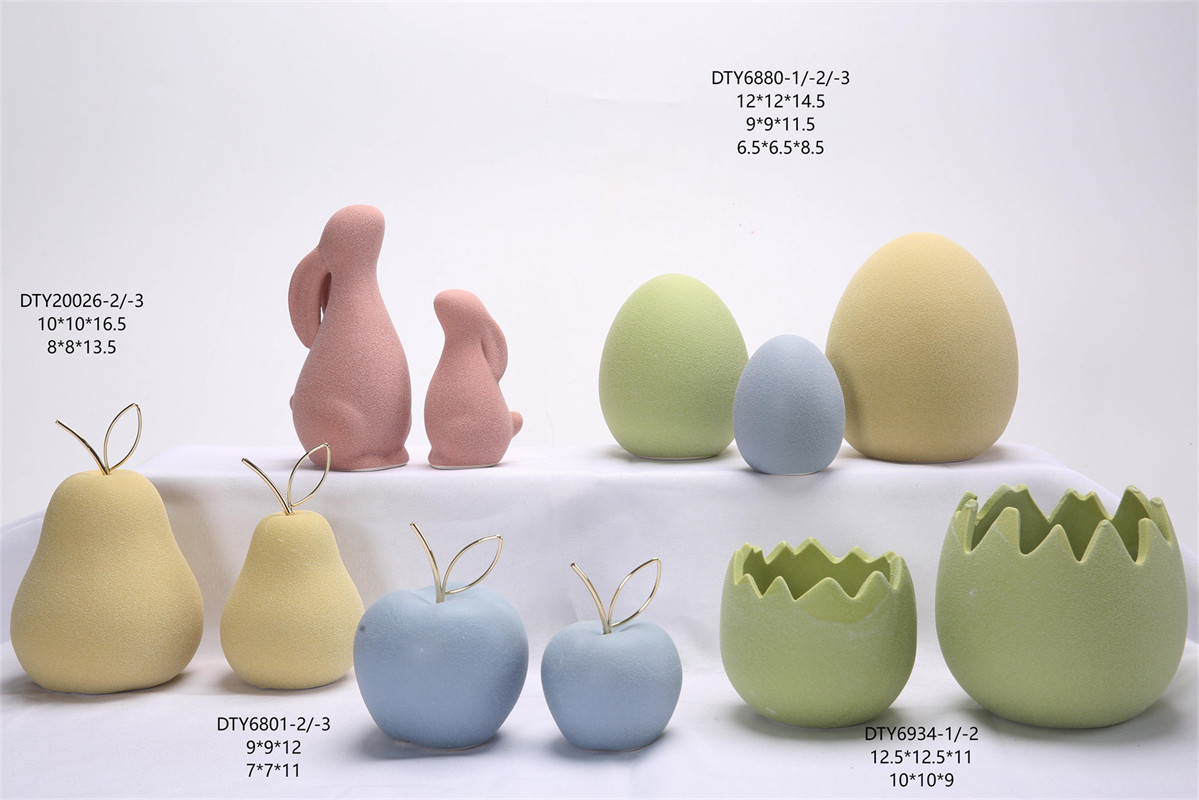
If you’re buying for retail or hospitality, porcelain isn’t just “pretty.” It’s a trust signal—the kind of object a customer picks up, taps with a fingernail, and decides in two seconds whether your assortment feels premium.
But porcelain is also where B2B programs quietly fail: inconsistent glaze, rim chips, “sample-perfect / production-random,” and centerpieces that look great on a showroom pedestal… then fall apart on an actual coffee table.
So when I spec wholesale porcelain home decor, I use what I call the Carton-to-Coffee-Table Test: Does it survive shipping, look expensive under real lighting, and still feel gift-worthy when someone carries it to the register? That’s how you build a vase program that reorders.
Why porcelain “reads luxury” faster than most materials
Porcelain has baked-in perceived value for a reason. Britannica defines porcelain as vitrified pottery with a white, fine-grained body that’s usually translucent—distinct from porous earthenware.
For buyers, that translates into two business advantages:
-
it supports higher price architecture for Wholesale Home Decor Vases
-
it makes even simple silhouettes feel elevated—if quality is consistent
What U.S. markets are signaling for 2026: color + collectibles
The 2026 vibe is not “safe neutral.” Buyers are leaning into personality: bolder color, playful shapes, and objects that feel collectible—especially in ceramics and tabletop. Home Accents Today’s Atlanta Market coverage explicitly called out a shift toward colorful home décor, including ceramic vases with graphic details.
Las Vegas Market is doubling down too—Kalalou announced plans to introduce 100+ new ceramics at the Winter show, which is basically a giant “we see demand” billboard for category buyers.
And at NY NOW Winter 2026, the show positioning for the luxury lane is about finding unique artisan makers producing bespoke ceramics and architectural tabletop accessories.
If you’re building American home vases as a category, that’s the map: more character, more shelf presence, more “object” energy.
TikTok is accelerating the vase cycle (whether we like it or not)
Retail doesn’t wait six months for trend adoption anymore. Elle Decor’s roundup of TikTok-driven interior trends for 2026 is a good reminder: the “what’s hot” conversation moves fast, and home shoppers see styles in-feed before they ever see them on a store wall.
Practical takeaway: plan at least one “camera-friendly hero” in every porcelain/ceramic drop—because the shelf has to sell in real life and on a phone screen.
The OEM table centerpieces blueprint I recommend to retailers
If you want OEM table centerpieces that don’t become dead inventory, don’t start with 40 SKUs. Start with a repeatable structure:
-
One hero silhouette (statement height, clean lines, giftable)
-
Two companion forms (medium + small) that merchandise as a set
-
One seasonal surface change (gloss, decal, or limited colorway) to keep the collection fresh without retooling
This is how retailers keep reorders predictable: the “core body” stays stable, the seasonal layer rotates.
Choosing Tabletop Vase Manufacturers: ask about the “clay body,” not just the glaze
This is where serious programs separate from pretty catalogs.
Ceramic Arts Network defines a clay body as a formulated combination of component clays and other materials designed for a specific firing temperature or function.
That matters because clay body + firing discipline drives warping risk, glaze fit, and batch consistency—the exact things that create claims and returns.
My short-list questions for Tabletop Vase Manufacturers:
-
What clay body and firing range are standard for this line?
-
How do you control color/finish consistency across batches?
-
Where are the QC checkpoints (post-kiln, pre-pack, pre-ship)?
-
What’s your rim-chip rate, and how is packaging designed to prevent it?
Working with a Chinese factory for American retailers: the real requirement is “retail discipline”
Sourcing from a Chinese factory for American retailers can be a win—if the factory is set up for repeatability: packaging specs, drop-test mindset, golden samples, and clean replenishment timelines.
That’s also where a partner like Teruierdecor fits naturally: you’re not just buying objects—you’re building a reorder-ready program (design intent → manufacturing control → retail packaging → repeat PO). When that chain is tight, the category becomes scalable.
Decorative vase for gifts: design like it’s being unboxed in public
Giftable vases win when:
-
the silhouette reads premium from 8 feet away
-
the finish looks clean under warm store lighting
-
the packaging feels intentional (insert + card + care)
If you want a decorative vase for gifts, treat the unboxing moment as part of the product, not an afterthought.
Wholesale floral vases: the one spec that quietly boosts conversion
For wholesale floral vases, the best sellers usually share one trait: a neck opening that works for both fresh stems and faux bundles. It sounds small, but it reduces shopper hesitation and increases “I can use this” confidence.
Build your floral lane as: tall neck + medium belly + small bud. That trio merchandises instantly and turns faster than random shapes.
Wholesale Porcelain Home Decor (2026) Buyer Rule: Build a reorder-ready vase program with a stable core silhouette set (hero + companions), then refresh seasonally via surface changes (finish/color/decal) instead of constant retooling. Vet tabletop vase manufacturers by clay body + firing control and rim-safe packaging, and include at least one camera-friendly “hero” SKU to match today’s fast trend cycle.
Leave a Reply