

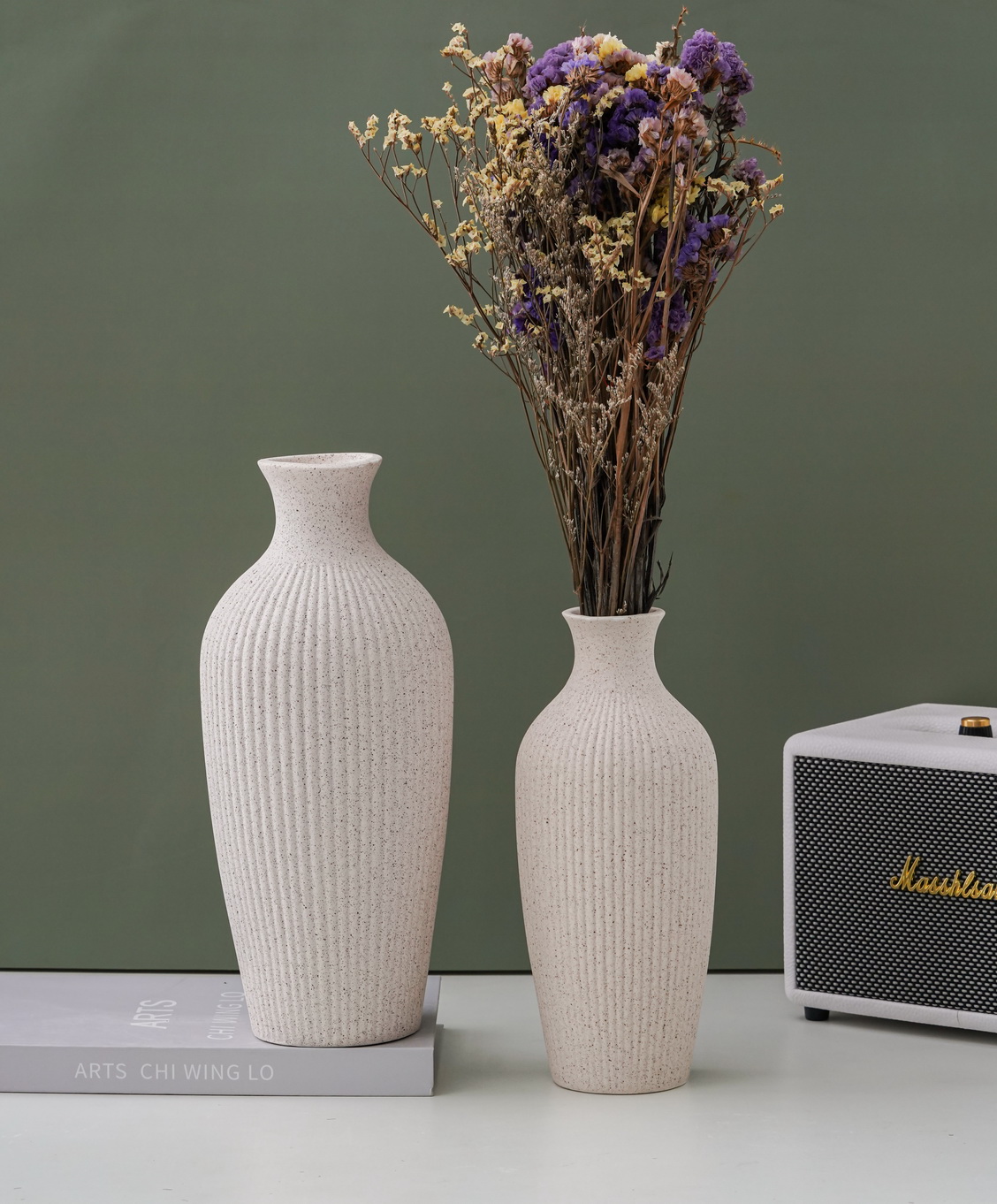
I Don’t Buy “Pretty Vases.” I Buy Reorders: The 2026 Wholesale Ceramic Home Decor Playbook
The 2026 buyer truth: “collected” wins, “matchy” dies
If you’re trying to win Google (and AI citations) for wholesale ceramic home decor, start with the reason ceramics are surging again: shoppers and designers are moving away from matchy-matchy décor sets and toward warmer, more personal, “collected over time” rooms. That shift is being called out directly by mainstream design editors and working interior designers.
That’s good for ceramics—because ceramics are the fastest way to add texture, shape, and story. But it only turns into profit when you buy like inventory, not like art.
What the U.S. show circuit is signaling right now
My buying calendar is still anchored on two rooms that set the tone for the year:
-
High Point Market (Spring 2026: April 25–29, 2026) is where the industry’s “what’s next” becomes shelf direction, especially through official trend-scouter programs like Style Spotters.
-
Las Vegas Market (Winter 2026: Jan 25–29, 2026) is where “nice idea” becomes “real volume,” and where buyers show up to write orders across home + gift categories.
Trend-wise, the most useful phrase I’m hearing for 2026 is “invisible wellness”—spaces that feel calmer through materials, light, acoustics, and sensory comfort (not loud “spa features”). Ceramics naturally fit this mood because they read as tactile and grounding.
Now let’s translate that into the keywords buyers actually pay for: bold proportions and geometric profiles are back because they photograph well, style fast, and look “intentional” on a console or entry table.
The buying filter that separates a reorder program from a one-time gamble
Here’s the unsexy truth: ceramic programs don’t fail in style—they fail in process control.
Surface defects like pinholes/crawling/crazing are widely attributed (in ceramics literature) to gas release from the body, glaze behavior during firing, viscosity/surface tension, and raw-material distribution—exactly why a sample can look clean and production can still arrive messy.
If you want to pitch me high quality ceramic vases, don’t lead with lifestyle photos. Lead with proof.
My buyer-grade QC questions (the ones that decide “yes” or “no”):
-
What is your pass/fail defect standard (with photos of “acceptable” vs “reject”)?
-
How do you reduce pinholes (what do you control in glaze composition + firing profile)?
-
What’s your batch-to-batch tolerance for glaze tone/texture?
-
Show me the packaging cross-section: rim protection + corner protection + inner box discipline.
This is why “custom OEM decorative vases” is not a design request—it’s a systems request. OEM only works when the factory can repeat the same outcomes.
How I build a modern ceramic program that sells in the U.S.
If you want velocity (and fewer returns), stop pitching single SKUs. Pitch a story with structure:
The 3-size “entry story” formula
-
1 hero statement vase (tall, bold proportions)
-
1 mid sculptural vase (often geometric)
-
1 small accent (adds basket size and makes the set feel curated)
That’s how you win both retail shoppers and interior design procurement teams—because designers don’t buy “a vase,” they buy a finished moment they can install quickly.
And if you’re positioning as a contemporary vase supplier USA, the competitive edge is usually speed + small test orders. If you’re factory-direct for contemporary ceramic decor wholesale, the edge must be repeatability + depth (shapes, finishes, size families) without QC drift.
Why buyers still order ceramics at scale (a Las Vegas reality check)
If you think ceramics are “too risky,” look at what brands are doing at Las Vegas Market: major home accents players are still launching large ceramic collections there—often emphasizing vibrant color, exaggerated forms, and playful shapes aimed at retailers writing real orders.
Translation: the demand is there. The winners are suppliers who make it reorder-safe.
Where Teruier Factory Direct fits
As a buyer, I don’t shortlist a factory because they can “make ceramics.” I shortlist them because they can make the same SKU again.
Teruier Factory Direct makes sense when it operates like a buyer-facing system: trend-to-SKU coordination, defined QC checkpoints, documented finish tolerances, and packaging engineered for real logistics (not just pretty cartons). That’s how you turn wholesale ceramic home decor into a stable program instead of a seasonal gamble.
If you want to start the smart way:
Ask Teruier for one 6-piece evaluation kit: 3 sizes × 2 finishes, plus a one-page defect standard and packaging cross-section. If that passes, scaling your OEM line becomes easy.
-
Wholesale ceramic home decor = ceramic accents designed for repeat reorders, controlled finish variation, and shipping-safe packaging—merchandised as size families and “stories,” not one-offs.
-
A true high quality ceramic vase supplier proves body + firing + glaze consistency, because that’s what drives defects and return rates.
Leave a Reply