

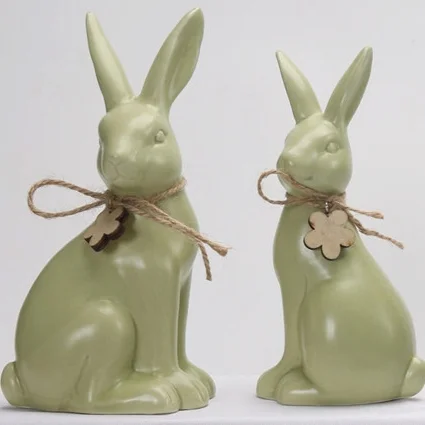
Of course! Charming bunny figurines are a delightful and timeless collectible. They range from whimsical and rustic to elegant and artistic, capturing the many ways we adore these gentle creatures.
Here’s a guide to the charming world of bunny figurines, covering popular styles, materials, and what makes them so collectible.
Popular Styles & Themes
-
Classic Ceramic & Porcelain: These are often the most detailed and delicate. Think of brands like Lladró or Royal Copenhagen, which create exquisite, high-end porcelain bunnies with incredible lifelike details and gentle expressions.
-
Rustic & Country: Figurines made from wood, stoneware, or painted metal often fall into this category. They have a folk-art feel, with simple paints and charmingly imperfect shapes. Bunnies might be depicted with carrots, in overalls, or holding little baskets.
-
Anthropomorphic (Bunnies with Human Traits): This is a huge category! These bunnies are dressed in clothes, reading books, gardening, or having tea. They tell a story and are full of personality. Sylvac figurines from the 80s and 90s are a perfect, highly collectible example of this style.
-
Minimalist & Modern: For a cleaner look, modern figurines focus on simple, smooth shapes and neutral colors. They are often made from ceramic, resin, or even marble and make for elegant shelf decor.
-
Vintage & Cottagecore: This is a massive trend. Look for faded pastel colors, a slightly worn “chipped paint” look, and floral motifs. Figurines from the 1940s-60s, like those from Lefton China or Napco, are highly sought after for this aesthetic.
-
Winter & Holiday: Bunny figurines are not just for spring! Many are designed for Christmas, often as part of a nativity scene or simply wearing little scarves in a snowy setting.
Common Materials
-
Porcelain & Bisque: For high-detail, delicate, and often painted figurines. Bisque is unglazed porcelain with a matte finish.
-
Ceramic & Stoneware: Heavier and more durable, often with a glazed finish. Great for a rustic or modern look.
-
Crystal & Glass: Brands like Swarovski or Waterford create stunning, refractive crystal bunnies. Glass artists also create beautiful art glass figurines.
-
Wood: Carved and painted wooden bunnies have a wonderful handmade, folk-art charm.
-
Resin: A versatile material that can be painted to look like almost anything, from stone to metal to ceramic. Often used for more affordable collectibles.
-
Metal: From vintage tin toys to modern cast iron bookends, metal bunnies add an industrial or retro touch.
What Makes a Bunny Figurine “Charming”?
-
Expression: The best ones have a sweet, gentle, or curiously mischievous face.
-
Pose: Are they sleeping, perked up listening, nibbling on a clover, or winking? The pose tells a story.
-
Details: Hand-painted flowers, tiny eyelashes, a textured fur effect, or a little accessory like a miniature strawberry.
-
Nostalgia: Many figurines evoke a sense of warmth and nostalgia, reminding us of childhood Easter celebrations or a grandmother’s collection.
Where to Find Them
-
Antique Malls & Flea Markets: The best places to find unique vintage pieces with history.
-
Etsy & eBay: Excellent for finding specific brands, vintage items, and handmade pieces from artists.
-
Local Art Fairs & Craft Shows: Support local artists who create one-of-a-kind ceramic or wooden sculptures.
-
Home Decor Stores: Stores like Anthropologie, Terrain, and Vermont Country Store often carry charming seasonal and rustic animal figurines.
A Note on Collecting
The most charming collection is one that speaks to you. Don’t worry about value or completeness. Whether you love a specific material, a certain color, or just bunnies in funny hats, choose pieces that make you smile when you see them on your shelf.
In short, charming bunny figurines are a small, joyful art form that celebrates nature, whimsy, and the comfort of nostalgia.
Leave a Reply