

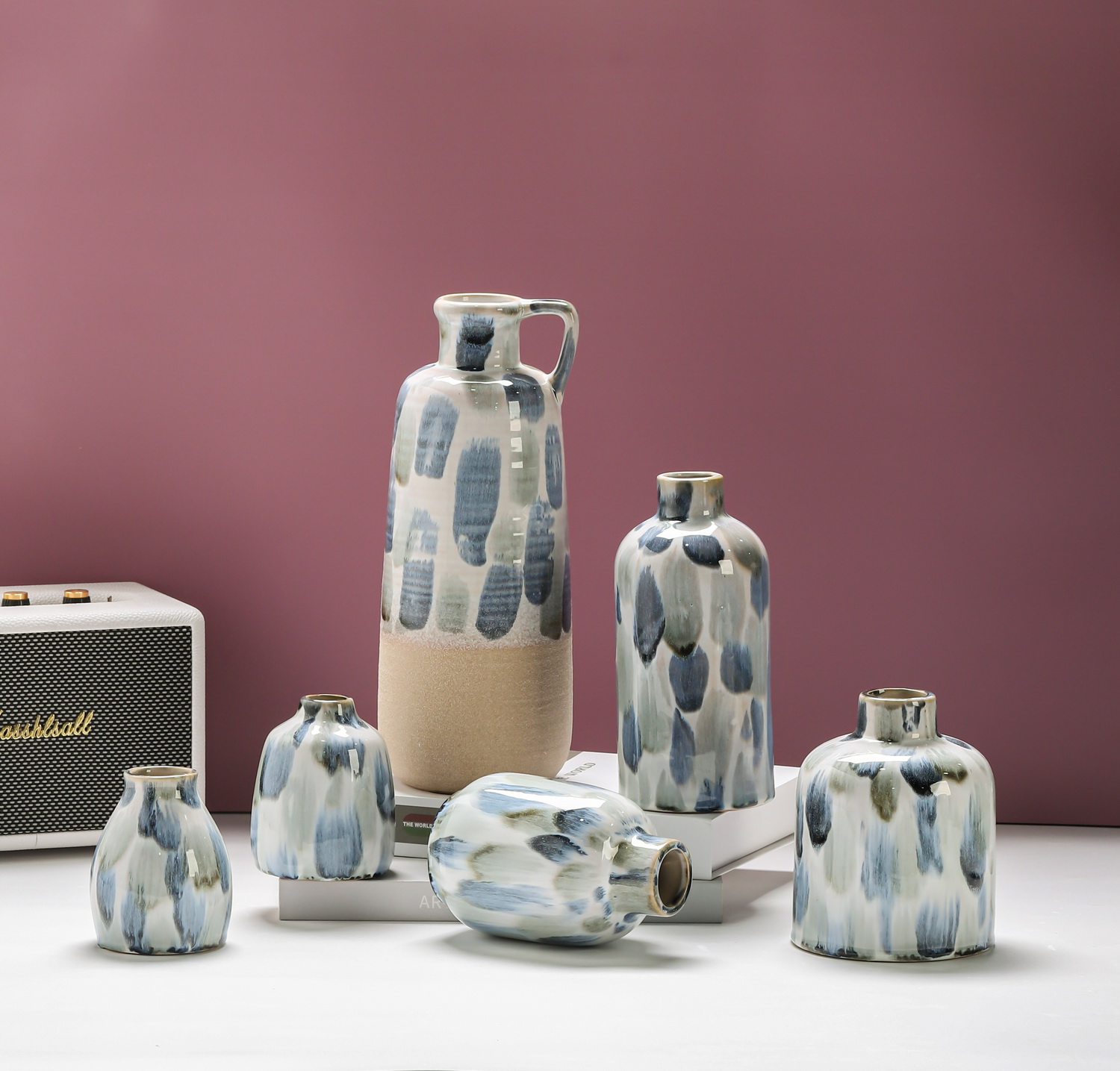
The First Order Wins Attention. The Reorder Wins the Business.
A beautiful sample can open a buyer’s door. A stable second order is what keeps it open.
From my perspective as a German interior designer, this is where many attractive home décor collections reveal their weakness. The first delivery looks convincing, but the repeat production arrives with a slightly different glaze, a thinner metal frame, a changed fabric tone or packaging that no longer protects the product properly.
That is why reorder stability home decor should not be treated as a logistics detail. It is the ability to reproduce the commercial promise of a product after the excitement of the first order has disappeared.
For retailers, importers and hospitality buyers, repeatability is not boring. It is profitable.
What Does Reorder Stability in Home Decor Mean?
Reorder stability in home decor means that a supplier can reproduce the approved product’s appearance, construction, performance, packaging and delivery standard across later production runs.
It includes more than matching a product code. Buyers need continuity in:
- colour and surface finish;
- material composition;
- dimensions and proportions;
- workmanship and structural strength;
- packaging protection;
- lead-time expectations;
- communication and approval procedures.
A reorder does not need to be chemically identical to the original production run. Natural materials, reactive glazes and handmade surfaces will always contain controlled variation. The important word is controlled.
A product may look handcrafted without becoming commercially unpredictable.
German Design Is Rediscovering Craft — Not Production Chaos
The recent German trade-fair conversation makes this distinction especially relevant.
Heimtextil Trends 26/27 used the theme “Craft is a verb”, presenting artificial intelligence and craftsmanship as complementary rather than opposing forces. Its palette combined grounded colours such as clay, sand, soot and olive with sharper digital accents. The message was clear: individuality remains desirable, but it now lives beside precision, technology and intentional control.[1]
Ambiente Trends 26+ similarly organised its direction around “brave, light and solid”, while the fair’s Interior Looks area connected design-led furnishing with retail, hospitality and contract applications.[2] At imm cologne 2026, the focus shifted towards market-ready products, efficient ordering and commercially relevant interior ranges rather than decorative theatre without a route to production.[3]
For buyers, the conclusion is practical: the market still wants tactility, irregularity and character. It simply does not want them to become excuses for unstable reorders.
How Craft-Based Production Reduces Blind Spots
The phrase how craft based production reduces blind spots may sound contradictory. Surely handmade production creates more variation?
Poorly managed craft production can. Mature craft production does the opposite.
Experienced makers recognise the small production signals that are easily missed in drawings or digital specifications. They know when a glaze will behave differently on a deeper ceramic form, when an embossed texture will trap too much colour, or when a decorative edge will become vulnerable during carton testing.
This is tacit knowledge: experience-based knowledge that is difficult to place completely inside a specification sheet. Academic research has long argued that tacit knowledge remains important to innovation and organisational capability, even when processes are increasingly documented and digitised.[4]
The objective is therefore not to replace craftsmanship with paperwork. It is to convert production experience into repeatable controls.
Why Some Regions Solve Décor Problems Faster
Understanding why some regions solve decor problems faster requires looking beyond the individual factory.
In a mature home décor production region, mould makers, ceramic technicians, finish specialists, metal workshops, packaging suppliers and quality inspectors often operate within the same industrial ecosystem. A surface problem can be discussed with the glaze workshop. A breakage problem can be tested with the packaging supplier. A structural concern can be corrected before it becomes a container-wide claim.
OECD research on industrial clusters highlights how geographical concentration can support knowledge spillovers, shared activity and experiential learning.[5]
This explains what a mature production base sees earlier: not simply the visible defect, but the chain of decisions likely to create it.
It may notice that:
- the new glaze is attractive but difficult to repeat;
- a cheaper material will alter the colour after curing;
- a modified silhouette requires stronger inner packaging;
- a handmade edge needs a measurable tolerance range;
- a trendy finish will become inconsistent at larger volume.
The advantage is not that problems never occur. The advantage is that more problems are recognised while they are still inexpensive to correct.
Reorder Confidence for Different Buyers
A community home store supplier must understand that small retailers often reorder in modest quantities. These shops cannot afford to repeat the entire sampling process whenever a successful vase, mirror or decorative object needs replenishment.
A hospitality home decor supplier, meanwhile, may need to reproduce the same visual language across different properties, opening phases or replacement cycles. A finish that shifts too far can make later pieces look like substitutes rather than part of the original interior concept.
In both situations, reorder confidence home decor is created through evidence:
| Weak reorder promise | Strong reorder system |
|---|---|
| “We can make it again.” | Approved reference sample and written tolerances |
| Colour judged from memory | Colour range, finish panel or signed sample |
| Packaging decided after production | Packaging considered during product development |
| Material may change without notice | Substitution requires buyer approval |
| Problems corrected after shipment | Risks reviewed before repeat production |
MIT supply-chain research also stresses the value of deeper, longer-term supplier collaboration. Stronger supplier relationships improve visibility, create more influence over quality decisions and help businesses prepare for disruption.[6]
TikTok Can Create Demand Faster Than a Factory Can Learn
TikTok’s Home & Living guidance has encouraged brands to use seasonal product bundles, creator content and practical solutions to everyday hosting or decorating needs.[7] A small decorative product can therefore receive attention very quickly.
But a viral product and a reorder-ready product are not the same thing.
The first rewards visual novelty. The second requires documented materials, available components, achievable finishes and packaging that survives commercial distribution.
A sensible buyer therefore separates the product into two layers:
The stable core: shape, construction, principal colour family, packaging and essential materials.
The flexible trend layer: accent colour, motif, surface detail, seasonal story or gift presentation.
This allows a retailer to respond to social trends without rebuilding the whole supply chain for every new video.
The Best Reorder Question Is Not “Can You Copy It?”
A stronger question is:
“Which parts of this product can remain stable, which parts naturally vary, and which parts may become risky in the next production run?”
A knowledgeable supplier should be able to answer before receiving the next purchase order.
At Teruierdecor, this is the standard that should guide product development: not removing the character of craft, but translating it into a commercially manageable product. For a buyer, that means fewer surprises, clearer approvals and collections that can continue beyond one successful shipment.
Frequently Asked Questions
What is the main benefit of reorder stability in home decor?
It allows buyers to replenish successful products without repeating the full development process or accepting unexpected changes in finish, construction and packaging.
Does handmade décor always have poor reorder consistency?
No. Handmade products can have controlled variation. The supplier must define which differences are acceptable and which would change the commercial identity of the product.
How can a buyer test reorder stability before placing a large order?
Ask for material records, signed samples, finish tolerances, packaging specifications and an explanation of the product’s most difficult repeat-production points.
Why is packaging part of reorder stability?
Because a visually consistent product is not commercially consistent when later shipments arrive with higher breakage, abrasion or deformation.
What should buyers ask a new supplier?
Ask what changed between the supplier’s last two production runs of a similar item, how the change was detected and how it was controlled. The answer usually reveals more than a polished factory presentation.
Reorder Stability Is a Design Quality
A good first order proves that a supplier can make a product once.
A good reorder proves that the design, production knowledge and supply system work together.
That is the more useful meaning of reorder stability home decor: not repetition for its own sake, but the ability to protect a product’s retail value while trends, materials and order conditions continue to move.
Leave a Reply