

Home Decor Packaging Standards Are Part of the Product
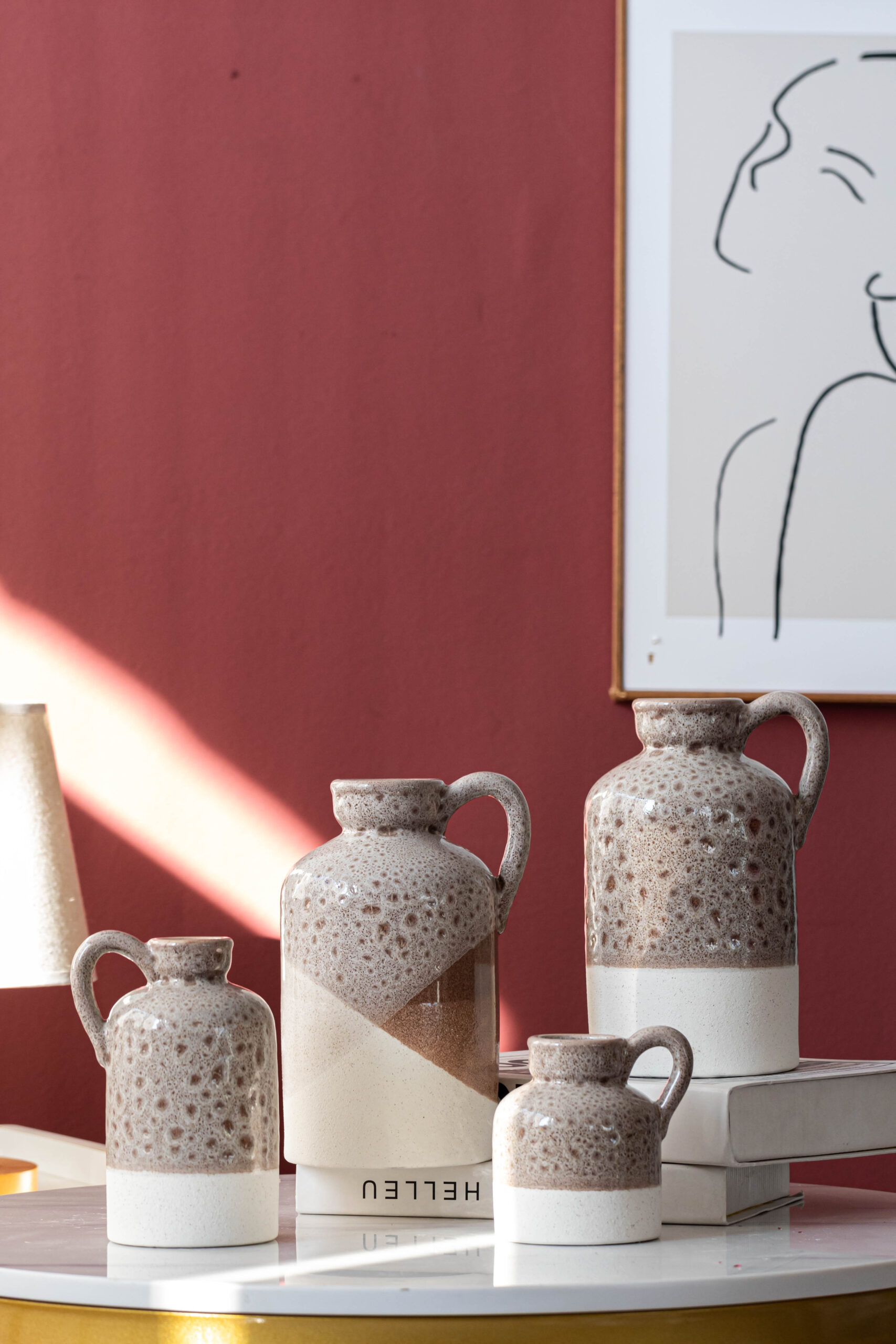
As an American home decor designer, I love a beautiful finish. A soft matte vase. A sculptural tray. A textured candle holder. A quiet ceramic object that makes the shelf feel considered.
But buyers do not stop at “beautiful.”
They ask: will it arrive safely, display cleanly, keep its finish, and avoid complaints after launch?
That is why home decor packaging standards matter. Packaging is not the boring step after design. For B2B home decor, packaging is part of the product decision.
A product that looks good but ships badly is not retail-ready.
Why Buyers Want the Trend Signal, Not the Full Trend Weight
This is why buyers want the trend signal not the full trend weight.
Recent U.S. home design coverage from Spring 2026 High Point Market points toward draped forms, artisanal textures, oversized scale, menswear patterns, and more detailed interiors. Houzz also noted a move toward more substantial, tactile expressions of natural materials. These are useful signals, but buyers still need controlled products, not fragile trend sculptures that destroy margin in transit.
For matte ceramic decor, the right trend signal might be:
a warmer glaze,
a softer curve,
a slightly irregular rim,
a tactile surface,
or a handmade-feeling detail that still packs safely.
The buyer wants enough trend to feel current, not so much trend that the item becomes hard to ship, price, or reorder.
Why Some Trends Break Down on Shelf
Some trends look strong in one photo and weak on a real shelf.
That is why some trends break down on shelf.
The finish is too delicate.
The shape is too unstable.
The texture scratches too easily.
The color is too heavy across multiple SKUs.
The item needs too much packaging for its retail price.
This is where home decor shelf logic and packaging logic meet. A product has to look good on the shelf, but it also has to survive the path to that shelf.
A vase that needs excessive foam may not fit the price structure.
A glossy object that scratches in transit may create claims.
A matte ceramic piece that rubs inside the carton may arrive looking old before it ever reaches the store.
What Makes a Finish Feel Commercially Believable
A finish does not have to be plain to be commercial.
But it has to feel repeatable, packable, and intentional.
That is what makes a finish feel commercially believable. A matte finish should look soft, not dusty. A glossy finish should feel rich, not cheap. A reactive surface should feel crafted, not random. A carved texture should add value, not create damage risk.
MIT professor Eric von Hippel’s work on “sticky local information” explains why some useful product knowledge is hard to move away from the place where the problem is solved. In home decor, that knowledge often lives near the workshop: material behavior, finish control, shaping limits, packing risk, and repeat production.
That is why packaging standards should be discussed before bulk production, not after the buyer has already approved the product.
What Good Home Decor Packaging Standards Should Protect
Good packaging should protect more than the object.
It should protect the finish, the margin, the retail presentation, and the reorder relationship.
For home decor buyers, packaging should consider:
surface protection for matte or glossy finishes,
edge and rim protection for ceramic products,
corner protection for mirrors and trays,
carton strength for stacking and handling,
inner structure for fragile or asymmetrical pieces,
and enough testing to understand real transit risk.
ISTA notes that many package testing protocols begin by defining product damage tolerance and package degradation allowance before testing. That matters for fragile home decor because the buyer needs to know what kind of damage is acceptable, what is not, and how the package should be tested before shipment.
How Buyers Read Commercial Calm After Launch
This is how buyers read commercial calm after launch.
The best products do not create noise after they enter the market.
The finish does not trigger complaints.
The carton does not create damage claims.
The item does not require constant explanation.
The reorder does not feel like starting over.
The supplier does not disappear when problems show up.
Commercial calm means the product looks current before launch and stays manageable after launch.
That is what buyers want from packaging standards: fewer surprises.
TikTok Can Start the Trend. Packaging Still Decides the Order.
TikTok is moving home decor taste faster than traditional retail cycles. ELLE Decor’s 2026 TikTok interior trend coverage pointed to skirted furniture, broken floor plans, friction-maxxing, and cabbagecore as examples of nostalgic, tactile, personality-driven interiors entering the wider design conversation.
But TikTok does not answer the buyer’s operational questions.
Can the finish be repeated?
Can the item ship safely?
Can the carton protect the surface?
Can the product fit a shelf story?
Can it survive beyond one viral moment?
Packaging is where trend excitement meets retail reality.
FAQ: Home Decor Packaging Standards
What are home decor packaging standards?
Home decor packaging standards are the practical requirements used to protect products during shipping, handling, storage, and retail display. They include carton strength, inner protection, surface protection, drop resistance, compression concerns, and finish safety.
Why do packaging standards matter for matte ceramic decor?
Matte ceramic decor can show rubbing, scratches, dust, and surface marks more easily than buyers expect. Packaging needs to protect both the ceramic body and the finish.
Why do some home decor trends break down on shelf?
Some trends break down because the shape, finish, texture, color, or scale becomes too risky, too fragile, too expensive to pack, or too hard to explain in a retail assortment.
What makes a finish commercially believable?
A finish feels commercially believable when it looks intentional, repeatable, suitable for retail lighting, safe to pack, and stable enough for reorder production.
Final Thought: Packaging Is Where the Buyer Sees the Real Product
A product photo creates interest.
A sample starts the conversation.
But packaging shows whether the product is ready for business.
That is why home decor packaging standards should be part of product development from the beginning. They help buyers protect finishes, control shelf logic, reduce damage risk, and read commercial calm after launch.
A beautiful product gets attention.
A well-packed product gets a better chance to reorder.
Leave a Reply