

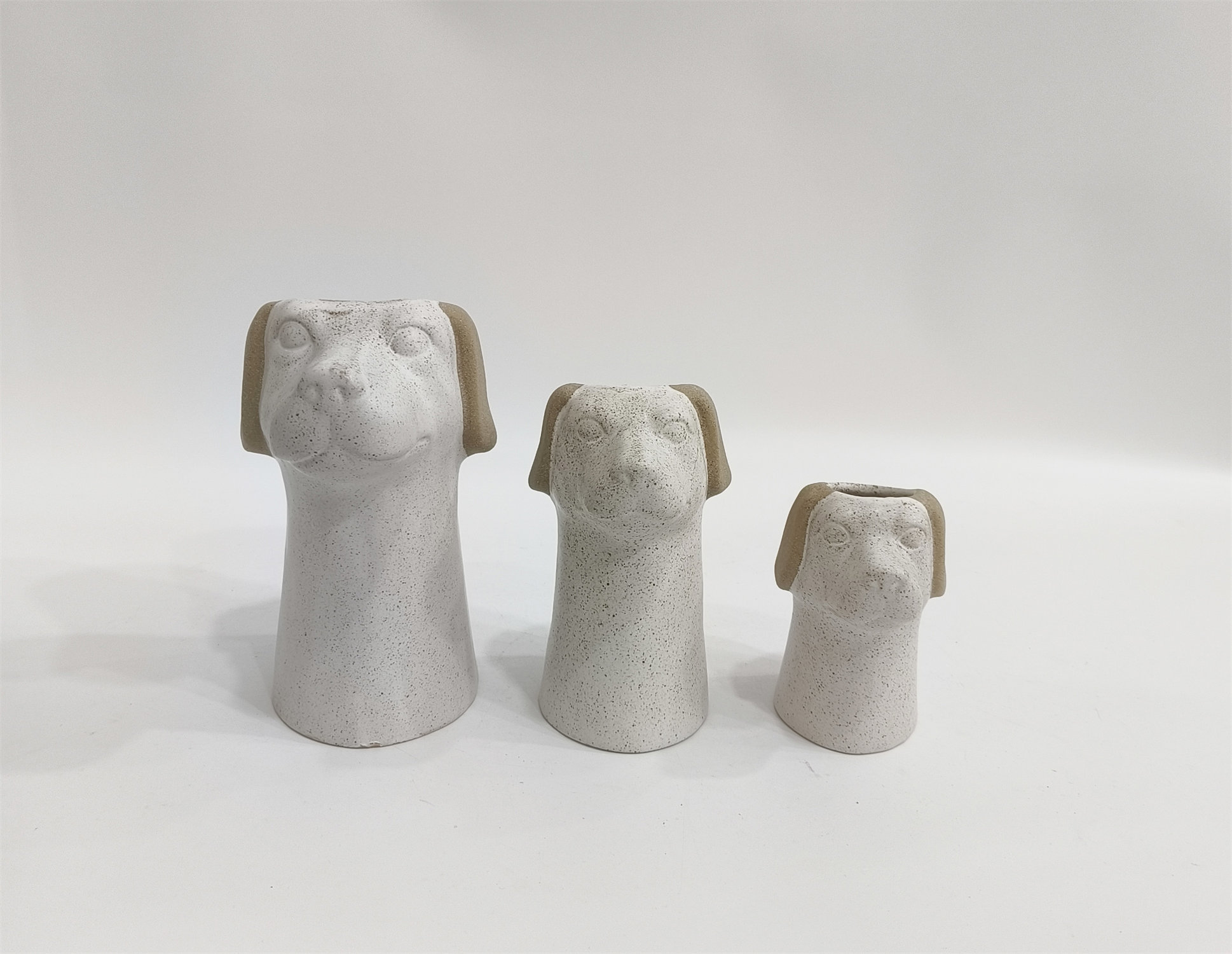
Why Workshop Reality Makes Some Samples Feel More Believable Than Others
Not every good looking sample feels believable
This is something experienced buyers learn very quickly.
Two samples may both look attractive.
Both may photograph well.
Both may seem close to the reference.
Both may create a strong first impression.
But one of them feels real. The other feels staged.
That difference matters more than many suppliers think.
A believable sample does not only show design intention. It also shows signs of production truth. It feels like an object that has already been tested in the mind against material behavior finish control packing logic and repeat use. It does not feel like a one moment performance.
This is why workshop reality matters.
It is often the hidden reason some samples immediately create trust while others create admiration but not confidence.
Buyers do not only judge how a sample looks. They judge how much life it can survive.
This is the deeper test.
A decorative object may look convincing in isolation and still feel doubtful once the buyer begins imagining what comes next. The buyer is not only asking whether the sample matches the idea. They are asking whether the idea has passed through enough real making judgment to deserve belief.
They want to know:
Does this sample feel like it came from a place that understands how objects behave
Does it feel shaped by actual workshop experience
Does it suggest a clean path into revision packing production and reorder
Or does it feel like a beautiful answer that may collapse under real conditions
This is why samples with workshop reality often feel stronger. They seem closer to the future product, not just closer to the original image.
Workshop reality shows up when the sample feels physically honest
A believable sample often has a kind of calmness to it.
The shape feels resolved without feeling forced.
The finish feels intentional without feeling overworked.
The weight feels appropriate to the size and role.
The object feels handled by people who know where decorative products usually become weak.
That honesty is hard to fake.
A sample without workshop reality may still look polished, but the buyer can often sense that the object has been pushed toward appearance more than toward truth. It may feel too dependent on one viewing angle. It may feel cosmetically impressive but physically uncertain. It may look finished without feeling settled.
When that happens trust slows down.
Buyers trust samples that already seem aware of their own limits
This is one of the strongest signs of workshop reality.
In a real production environment, people learn quickly that every design idea has pressure points. A certain edge may be too fragile. A finish may need control. A shape may need subtle adjustment to remain elegant without becoming risky. A surface may need enough depth to feel valuable but not so much that it becomes unstable.
A sample shaped by workshop reality often reflects that awareness.
It does not try to pretend there are no tradeoffs.
It feels like the object has already been refined against them.
That is why buyers often trust these samples more. They do not feel naive. They feel prepared.
Some samples feel believable because the workshop has seen similar problems before
This is where production memory becomes powerful.
A mature workshop has already seen many forms of failure and correction. It has seen what cracks, what chips, what drifts, what overpromises, what packs badly, what loses value in hand, and what becomes harder than expected once the object leaves the table.
That memory gets embedded in the sample.
The buyer may not know exactly which earlier problems informed the object, but they can sense that the sample comes from a place where certain mistakes have already been anticipated.
That anticipation changes the feeling of the object.
The sample no longer feels like a guess.
It feels like something shaped by remembered reality.
Workshop reality makes revisions easier to imagine
This is another reason believable samples matter so much.
A buyer is not only judging the current version. They are also imagining whether future changes will become cleaner or more chaotic. A sample with workshop reality usually gives the buyer more confidence here.
Why
Because it feels like the first version already contains practical thinking. The buyer can imagine that the next adjustment will build on structure rather than start from confusion.
A weaker sample may create the opposite feeling. Even if it looks good, the buyer senses that the object has not yet passed through enough grounded judgment. That means every future revision may become heavier. More explanation. More correction. More unexpected tradeoffs. More drift.
A believable sample reduces that fear.
Buyers notice when a sample feels too perfect in the wrong way
This may sound strange, but it happens often.
Some samples are so visually polished that they start to feel less trustworthy. Not because polish is bad, but because the object begins to look disconnected from normal production logic. It feels too singular. Too specially handled. Too dependent on extra attention that may not survive scale.
A workshop grounded sample is often different.
It may still be beautiful, but it carries a kind of repeatable realism. The buyer can believe that this look came from a workable decision path, not just from a lucky moment or a one time effort.
That repeatable realism is often what buyers are really searching for, even when they first describe their needs in visual terms.
Workshop reality also changes the language around the sample
This is an important but less visible point.
When a sample comes from a real workshop environment, the explanation around it often sounds different too. Comments about the piece become more specific, more useful, and more connected to real behavior.
The supplier may explain:
why a curve was slightly tightened
why a finish was softened
why a base was adjusted for better balance
why a texture was reduced to protect repeatability
why a certain look was preserved even though another option photographed better
That kind of explanation gives the sample more weight. It tells the buyer that the object did not appear by accident. It came through a process that noticed what mattered.
This is one reason workshop reality increases trust even before the first order.
Believable samples often feel closer to commercial life
This is where the workshop matters most.
A buyer is not buying the sample as a museum piece. They are evaluating whether it can become part of a real assortment, survive transport, hold shelf presence, stay believable at the intended price, and continue into repeat production if it succeeds.
A sample shaped by workshop reality tends to feel closer to that life.
It feels easier to picture on shelf.
Easier to imagine in carton.
Easier to revise with direction.
Easier to connect to an actual order path.
That makes the sample more powerful.
Beauty can create excitement.
Believability creates movement.
In a craft region, workshop reality often becomes a hidden advantage
This is one of the deepest values of sourcing from a place with real making depth.
A strong craft region does not only produce objects. It produces objects that have been quietly corrected by accumulated workshop judgment. Even when the buyer only sees the final sample, the sample may already contain the benefit of many earlier lessons about surface, form, weight, balance, fragility, and visual truth.
That gives the object a different feeling.
It does not seem like an idea trying to become real.
It already feels partially lived in by reality.
For a supplier like Teruierdecor, this is where the craft region becomes commercially meaningful. The value is not only that products are made near skilled hands. The deeper value is that workshop judgment enters the sample early enough to make the object more believable, more buildable, and more useful to the buyer. That is what turns a nice sample into a stronger sourcing signal.
Final thought
Some samples feel more believable than others because they carry more workshop reality inside them.
They feel physically honest.
They reflect real material judgment.
They suggest cleaner revision paths.
They feel aware of their own limits.
They seem closer to repeatable production, not just visual approval.
That is why buyers trust them.
Not because they are louder.
Because they feel more real.
Leave a Reply