

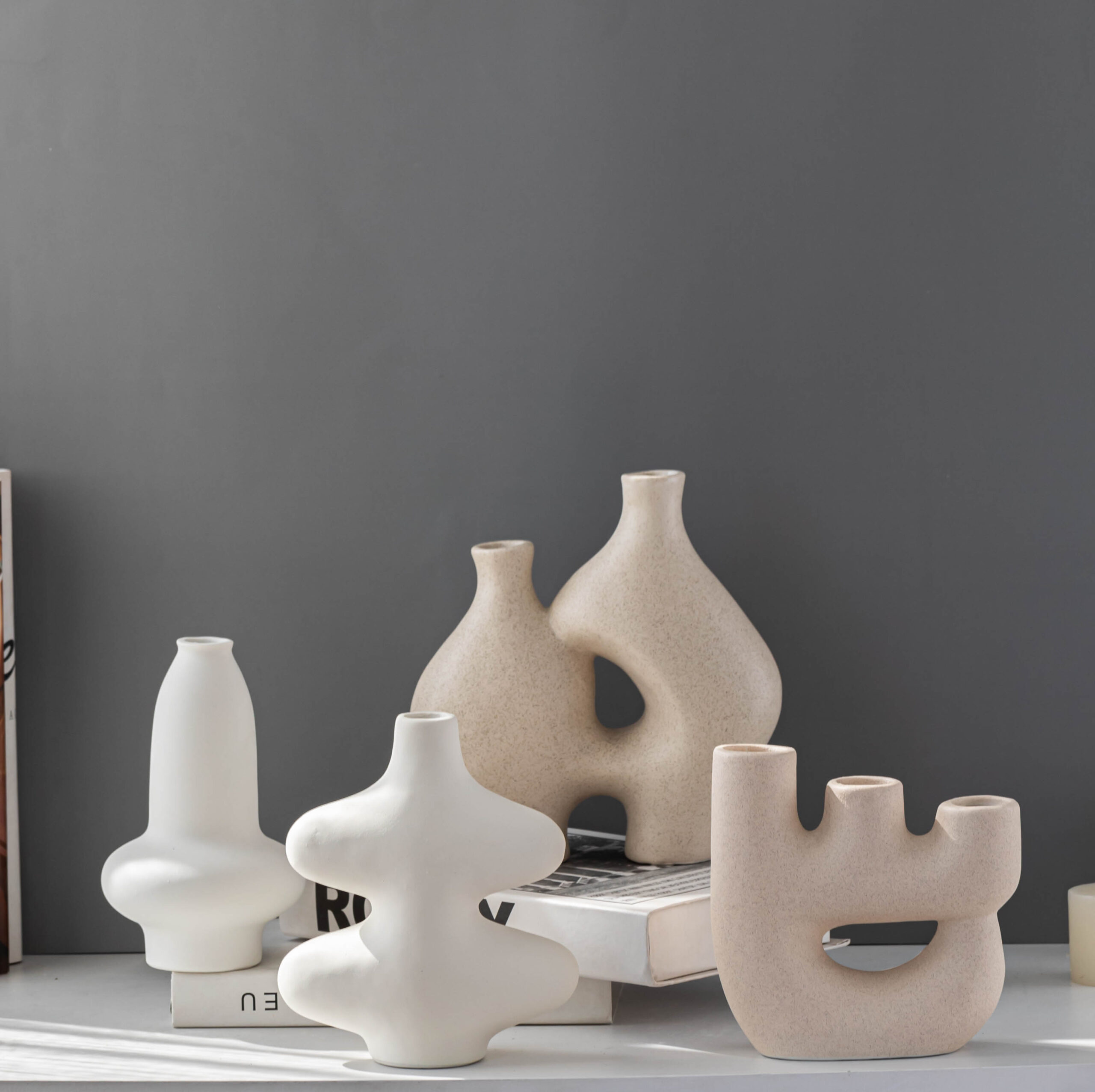
Why Strong Assortments Need Hero Pieces Safe Repeaters and Bridge Items
A strong assortment is not built by taste alone
Many assortments look exciting at first glance and weak five minutes later.
That usually happens when the supplier has focused on visual appeal but ignored commercial structure. The pieces may all look good on their own, yet once a buyer starts thinking about display price range sell through and reorder potential, the assortment begins to feel unstable.
This is why smart buyers do not judge an assortment by asking whether the pieces are attractive. They judge it by asking whether the assortment contains the right kinds of pieces.
A strong assortment usually needs three things working together.
It needs hero pieces that attract attention.
It needs safe repeaters that carry volume.
It needs bridge items that connect the whole story.
Without that mix, even a beautiful assortment can feel hard to use.
Hero pieces give the assortment energy
Every assortment needs something that creates a first impression.
Hero pieces do that job. They are the items that pull the eye first and make the collection feel memorable. In home decor this may come from shape scale finish texture or a more directional design idea.
A hero piece is important because buyers still need visual tension. They need something that makes the assortment feel alive enough to deserve space.
But hero pieces are often misunderstood.
Many suppliers think the answer is to show several highly expressive items at once. That usually creates noise instead of strength. If every item is trying to dominate the shelf, the assortment loses hierarchy. It starts to look like a room full of people all trying to speak first.
A good hero piece should create focus, not chaos. Its job is to lead the assortment, not overwhelm it.
Safe repeaters make the assortment commercially believable
This is where many assortments either become stronger or fall apart.
Safe repeaters are the items that buyers can place with less hesitation. They tend to be easier to understand easier to merchandise and easier to reorder. They may be less dramatic than the hero piece, but they often carry more of the actual business.
These are the pieces that help the buyer think:
This can work in more stores.
This can sit with more products.
This can survive the season.
This can be reordered without too much risk.
A supplier who only presents striking pieces may look creative, but not always commercially useful. Buyers need items that can absorb pressure. They need pieces that do not fight every environment they enter.
This is why safe repeaters matter so much. They make the assortment feel stable enough to build with.
Bridge items are what make the assortment feel intelligent
This is the layer that many suppliers miss completely.
Bridge items are not usually the loudest pieces and not always the highest volume pieces either. Their role is more structural. They help connect one part of the assortment to another.
A bridge item may soften the jump between a bold hero piece and a quieter repeater. It may connect different finishes or different scales. It may hold together two style directions that would otherwise feel too far apart.
Without bridge items an assortment often becomes too split.
One group of items feels too decorative.
Another feels too safe.
A third feels unrelated.
The result is that the buyer has to do too much assembly work mentally. The supplier may think they are offering variety, but the buyer experiences fragmentation.
Bridge items reduce that fragmentation. They make the assortment easier to read and easier to buy.
Buyers think in role balance more than suppliers realize
A buyer is rarely choosing pieces one by one in isolation. Even when they start with a single item, they are usually imagining the wider assortment around it.
They are asking questions like:
What leads the story
What supports it
What makes it easier to place
What makes it easier to scale
What helps the collection feel coherent
What keeps it from becoming too flat or too risky
These are role questions, not just design questions.
That is why a balanced assortment often feels much stronger than an assortment with more product variety. It is not because it has more options. It is because the options are doing different jobs with more discipline.
Too many hero pieces weaken decision clarity
This is one of the most common problems in home decor assortments.
Suppliers often fall in love with expressive pieces because those are the ones that photograph best and feel most exciting. But when too many items are visually dominant, the assortment loses structure.
The buyer starts to struggle with placement.
Which one leads
Which one supports
Which one is safer for wider rollout
Which one is only there for visual drama
Which one deserves reorder attention
When these answers are not clear, the assortment becomes tiring.
A buyer may still admire it, but admiration is not the same as usability. The best assortments are not only visually strong. They are decision friendly.
Too many safe repeaters can flatten the assortment
The opposite mistake is also common.
Some assortments are so cautious that they lose memorability. The pieces may all feel easy and commercially safe, but together they create no tension and no reason for the buyer to care.
If everything is neutral in the same way and calm in the same way, the assortment feels passive. It may not create enough lift to earn presentation space or internal excitement.
This is why hero pieces are still necessary. They create the visual energy that makes the safer items matter more.
A repeater works better when the assortment has something stronger nearby. The contrast helps define its role.
Bridge items protect the assortment from looking accidental
When buyers see an assortment with a clear leader and several safer followers, they still want to know whether the middle has been solved.
That middle is often where the bridge items work hardest.
A bridge item can help:
connect a glossy finish to a more matte group
link a soft organic shape to a cleaner geometric form
carry some of the hero energy in a more sellable way
introduce enough difference without breaking coherence
This is why bridge items often make an assortment feel more mature. They show that the supplier is not just grouping products by proximity. They are shaping a usable commercial sequence.
A strong assortment helps the buyer imagine growth
This matters more than many suppliers think.
A buyer is not only evaluating what to order now. They are also asking what can happen next.
Can the hero piece become a recognizable signature
Can the repeater carry the next order
Can the bridge item become the path into a larger collection
Can the assortment expand without becoming messy
When the mix of roles is clear, the future becomes easier to imagine.
That is one reason strong assortments are often more reorder friendly. The logic is already there. The assortment is not a pile of separate items. It is a small system.
In home decor, assortment strength often comes from restraint
This is a useful thing to remember.
A supplier does not need endless pieces to prove range. In many cases too much range weakens the message. What buyers often value more is a controlled assortment where each piece has a reason to exist.
The hero piece creates energy.
The safe repeater creates stability.
The bridge item creates continuity.
Now the assortment begins to feel commercially designed rather than visually collected.
For a supplier like Teruierdecor this matters because the opportunity is bigger than offering beautiful products. The real opportunity is helping buyers work with assortments that already contain usable structure. That is what turns design output into range logic and range logic into repeat business.
Final thought
Strong assortments do not happen because every item is impressive. They happen because different items are allowed to do different jobs.
The hero piece gives the buyer a reason to look.
The safe repeater gives the buyer a reason to believe.
The bridge item gives the buyer a reason to keep building.
That is what makes the assortment feel complete.
Not bigger.
Smarter.
Leave a Reply