

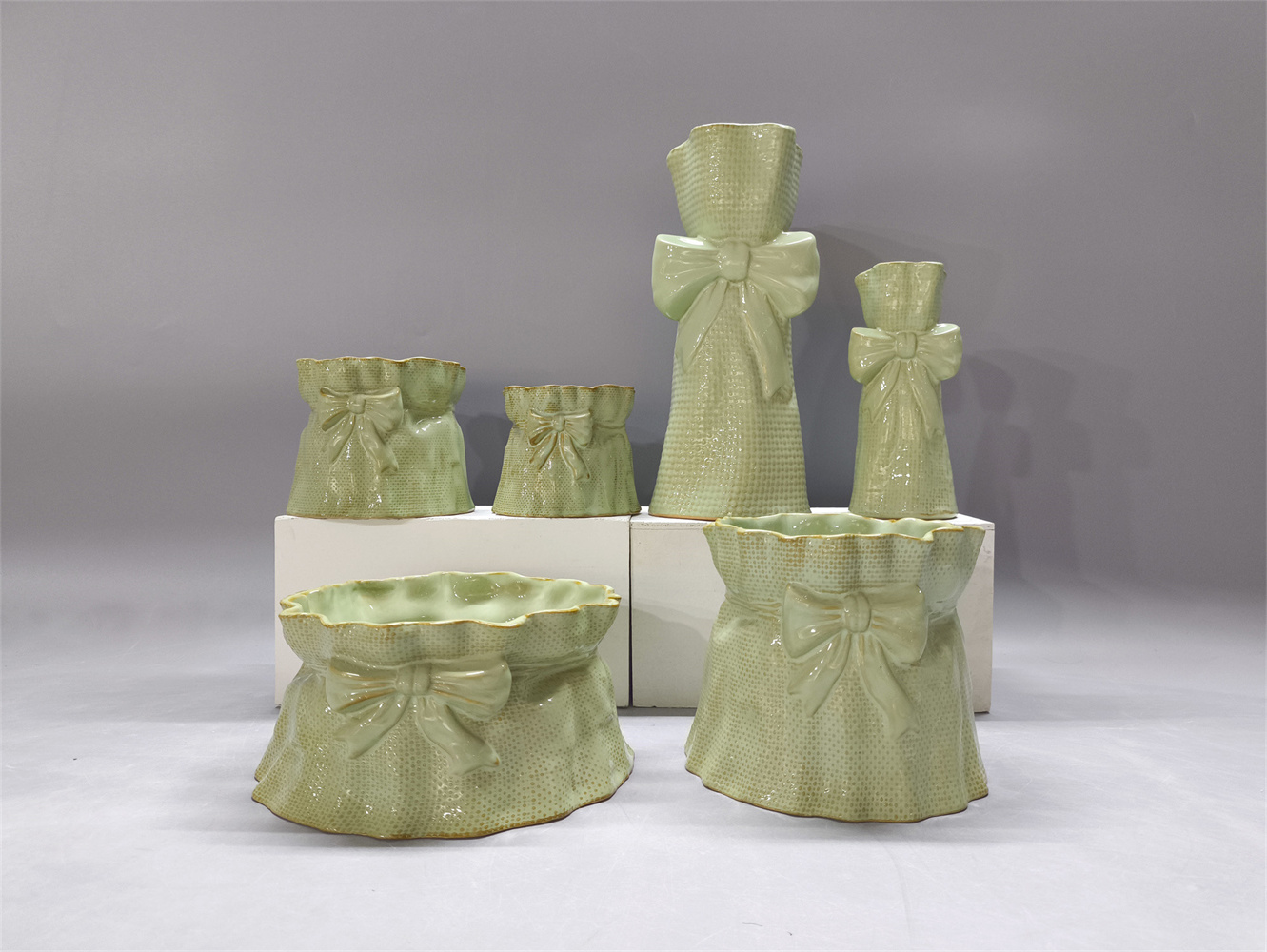
There is a quiet difference between a shelf that looks stocked and a shelf that looks styled. As a German interior designer, I notice it immediately. One feels filled. The other feels resolved. Very often, the difference is ceramic. A good vase, a well-shaped object, a calm decorative form with just enough presence — these things give rhythm to a room and identity to a retail assortment. That is exactly why private label ceramic decor has become more important in 2026. It is no longer only a sourcing option. It is a way for retailers to look more considered, more distinct, and less interchangeable. Europe’s big design fairs have been pointing in this direction very clearly: Maison&Objet Paris built its January 2026 edition around “Past Reveals Future”, with themes such as Neo-Folklore and Revisited Baroque, while Ambiente Trends 26+ framed 2026 through brave, light and solid — three style worlds focused on materials, shapes, and atmosphere for contemporary living.
The ceramic shelf no longer wants anonymous objects
For many buyers, ceramics used to be the category added at the end. A safe filler. A finishing touch. That logic is becoming old. Today, private label ceramic decor can define the tone of the whole assortment. It can make furniture look warmer, give shelving more cadence, and help a store feel branded rather than borrowed. This is why working with a strong custom ceramic vase supplier matters more than it once did. The question is not only whether the factory can make a vase. The question is whether it can build a family of forms — perhaps one taller piece, one softer rounded vessel, one set of geometric vases, and one quiet accent object — that reads as a coherent collection. That is what serious wholesale for retailers now demands.
Europe is moving back towards craft, tactility, and memory
What I find especially interesting this year is that the market mood is not pushing towards cold perfection. Quite the opposite. Maison&Objet’s own 2026 language is rooted in craftsmanship, transformation, local stories, and objects with more soul. The V&A’s writing on studio pottery offers an elegant historical echo: studio pottery spans everything from tableware to one-off vessels and sculpture, unified by clay, technique, and the presence of the maker’s hand. That is precisely why ceramics continue to hold attention. They bring a humanising effect into the room. They soften the industrial sharpness of modern life. And for retailers, that quality is not only aesthetic. It is commercial. It helps products feel more memorable.
Private label is how retailers stop looking like everyone else
This point matters even more now because social platforms have accelerated visual sameness. British Vogue recently argued that TikTok-driven algorithm culture has flattened interior style, making many homes look increasingly alike. For buyers, this means generic open-line products become visually tired more quickly. A retailer who relies on the same shapes as everyone else risks looking late, even when the goods are technically current. This is where direct from factory ceramic decor becomes more powerful when paired with a private-label approach. A retailer can adjust proportion, glaze, shape language, and collection structure just enough to feel distinctive. The result is not louder design. It is clearer identity.
Why high-fire porcelain still matters commercially
A beautiful ceramic story must also be convincing in material terms. That is where high-fire porcelain still carries weight. Museum and university references describe porcelain as a high-fired ceramic, typically fired at around 1280°C or higher, producing a vitrified, durable body with a glass-like finish. In practical retail language, that means strength, refinement, and a finish that tends to feel more elevated on the shelf. It also explains why a private-label range built in high-fire porcelain often gives retailers a stronger balance of beauty and performance. For decorative programmes, that matters. For hospitality-adjacent lines, it matters even more.
The vase family usually sells better than the single vase
The best ceramic assortments are rarely built around one lonely hero SKU. They work because they feel like a conversation. One statement vessel. One pairable form. One refined vase set wholesale concept. A few more artistic vases with slightly sculptural profiles. A line of geometric vases that brings modern discipline to the collection. This is how private label becomes useful: not as logo placement, but as authorship. The retailer begins to own a ceramic language. The shelf becomes easier to merchandise, easier to photograph, and easier for customers to remember.
Why this matters for Teruierdecor
For a design-led platform such as Teruierdecor, private label ceramic decor is a very strong B2B story because it sits exactly at the intersection of design and business. Buyers are not only sourcing objects. They are sourcing distinction. They want ceramics that feel calm, contemporary, and commercially intelligent. They want a partner who can move from direct from factory ceramic decor to a more refined private-label collection without losing finish consistency or visual character. In today’s market, that is not a small advantage. It is often the difference between being stocked and being chosen.
In the end, the prettiest ceramic ranges are not necessarily the busiest ones. They are the ones that feel most sure of themselves. And that is the quiet promise of good private label ceramic decor: it makes the whole shelf feel more like a point of view, and less like a catalogue.
Leave a Reply