

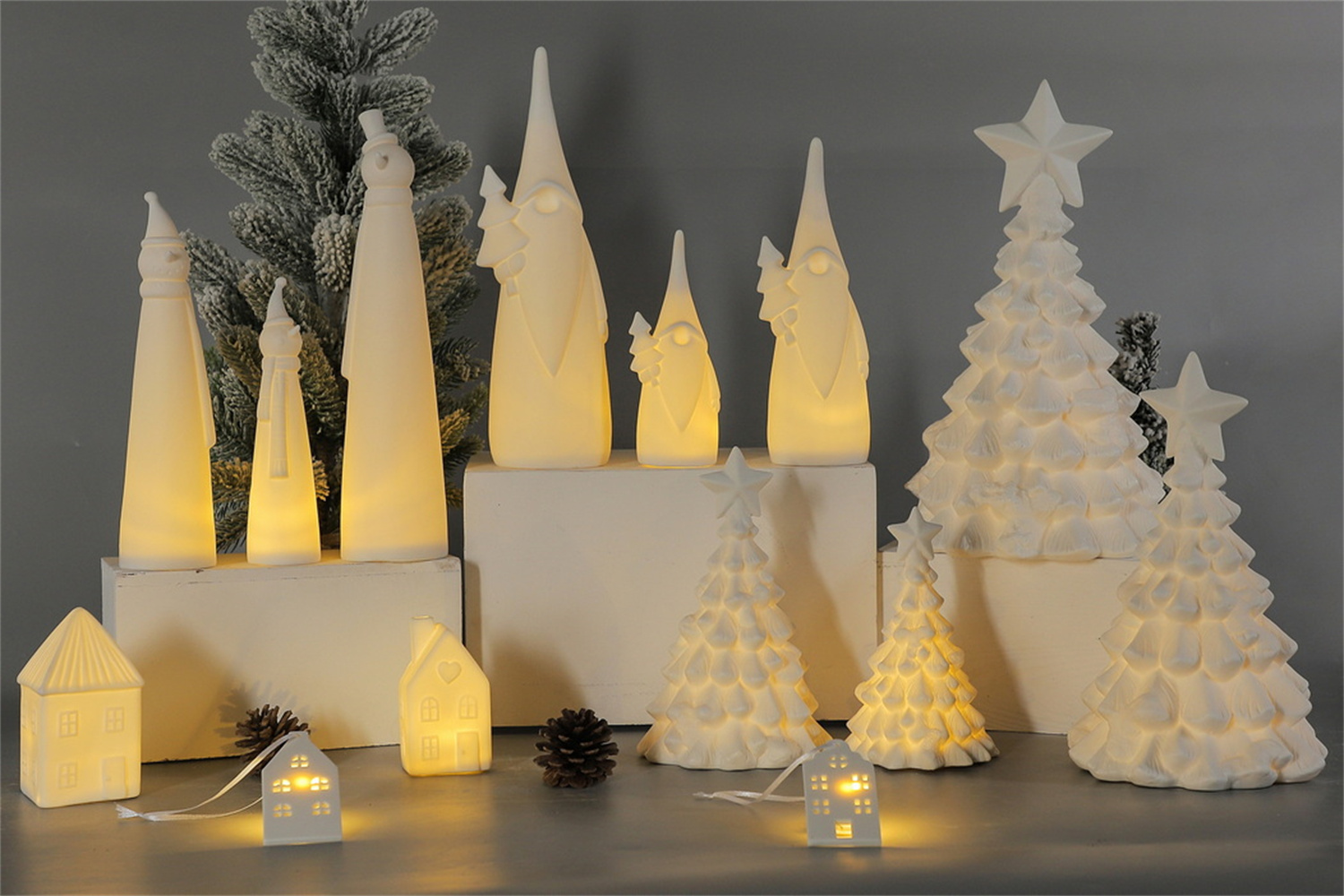
There is a particular pleasure in finding the piece that makes everything else in a room look better. Not louder, not trendier, simply better. A softly glazed vase on a console. A shapely vessel on a mantel. A ceramic diffuser that feels like an object first and a product second. As a British interior designer, that is precisely why I find ODM ceramic home decor so compelling just now: it offers the sweet spot between originality and ease. Not fully bespoke, not drearily off-the-shelf, but something in between — the sort of design decision that makes a retail assortment feel composed rather than copied.
Why ODM feels especially right in 2026
Europe’s design fairs have been remarkably clear this year. At Maison&Objet Paris in January 2026, the official theme was “Past Reveals Future”, with a strong emphasis on craftsmanship, excellence, and four trend worlds named Metamorphosis, Mutation, Revisited Baroque, and Neo Folklore. The fair framed this as a response to ecological pressure, overconsumption, and visual homogenisation. Meanwhile, Ambiente 2026 positioned its forecast around three style worlds — brave, light and solid — exploring which colours, shapes and materials feel right for contemporary living. In other words, the market is not asking for more sameness; it is asking for more soul, tactility and character.
That is exactly where ODM ceramic home decor becomes commercially interesting. It allows a retailer to move quickly, but not anonymously. It gives a buyer the polish of a considered range without the delay of building every silhouette from scratch. And for a ceramic home decor manufacturer, that is no small advantage: faster development, better coherence, and a clearer visual identity from shelf to shelf.
A good ceramic range should feel like a conversation
The loveliest ceramic assortments rarely rely on one heroic product alone. They work because the pieces seem to speak to one another. A slim bud vase wholesale line for easy layering. A fuller vessel for centre tables. A sculptural object that earns the eye. Perhaps a ceramic aroma diffuser with the same glaze language, so the fragrance category feels folded neatly into the wider décor story rather than bolted on afterwards.
Maison&Objet’s own Home Fragrances sector makes this idea rather beautifully clear: scent is treated as part of an interior’s identity, not a separate afterthought. That is useful for B2B buyers, because it suggests that fragrance objects and ceramic décor can now be developed as one stylistic family.
The market is leaning towards craft, texture and personality
What I find reassuring is that this is not merely a fleeting mood-board fantasy. There is a deeper design lineage beneath it. The V&A’s introduction to studio pottery traces how British makers explored expressive vase forms and celebrated the distinctiveness of hand-led ceramic work. The Met, writing on the Arts and Crafts movement, notes that designers sought to improve decorative standards in reaction to mechanisation and valued environments shaped by beautiful workmanship. That history still feels relevant today. Buyers may not speak in museum language, but they absolutely respond to pieces that look thoughtful, tactile and just a little less industrially generic.
That is why direct from factory ceramic decor is no longer only about efficiency. Increasingly, it is about having just enough authorship. Enough difference in form, finish or proportion to make the collection feel like yours.
TikTok has made visual sameness feel tired much faster
Social media has sharpened this problem. British Vogue recently argued that algorithm-driven interiors culture has made too many homes look suspiciously alike, while House & Garden observed in January that TikTok’s “normal house” tours are going viral as audiences tire of polished perfection and gravitate towards rooms that feel lived-in, layered and human. At the same time, ELLE DECOR’s March 2026 round-up of TikTok-led interiors trends suggests the platform is still driving strong decorative micro-trends, only now with more personality and eccentricity attached. For retailers, that means generic catalogues go stale more quickly — and design-led ceramic ranges become more valuable.
Even American-facing briefs benefit from a more designed approach
This matters whether your assortment is aimed at contemporary Europe or at export briefs shaped by American home décor ceramics. In fact, I would argue it matters even more when the customer brief leans towards a familiar, commercial look — the sort of range one might once have filed under an American traditional decor wholesale supplier. Those ranges still need warmth, readability and sales logic, of course. But they also need freshness. Slightly better proportions. A richer glaze. A silhouette that feels heritage-adjacent rather than merely old-fashioned. That is the quiet power of ODM: it lets the familiar feel newly considered.
And the commercial signals are there. Reporting from Ambiente 2026 pointed to more playful, expressive décor, from pastel glass bud vases to fruit-adorned vessels and handmade geode vases, all suggesting that even practical retail categories are shifting towards collectible charm.
The best retail shelves no longer look copied
That, I think, is the real appeal of ODM ceramic home decor. It gives retailers a way to look edited. A way to work with a strong ceramic home decor manufacturer and still retain a point of view. A way to source efficiently without making the collection feel anonymous.
And in 2026, that may be the most useful distinction of all: not bespoke for the sake of ego, not mass for the sake of convenience, but designed enough to feel memorable.
Leave a Reply