

The “Mini-Art” Trick Designers Use: Why Ceramic Figurines Wholesale Makes Rooms Feel Finished Faster
I’m an American interior designer. I can install a perfect sofa, the right rug, the correct lighting—and still hear: “It’s nice… but it’s missing something.”
Nine times out of ten, what’s missing isn’t another big piece. It’s the small objects that make a space feel collected, human, and intentional.
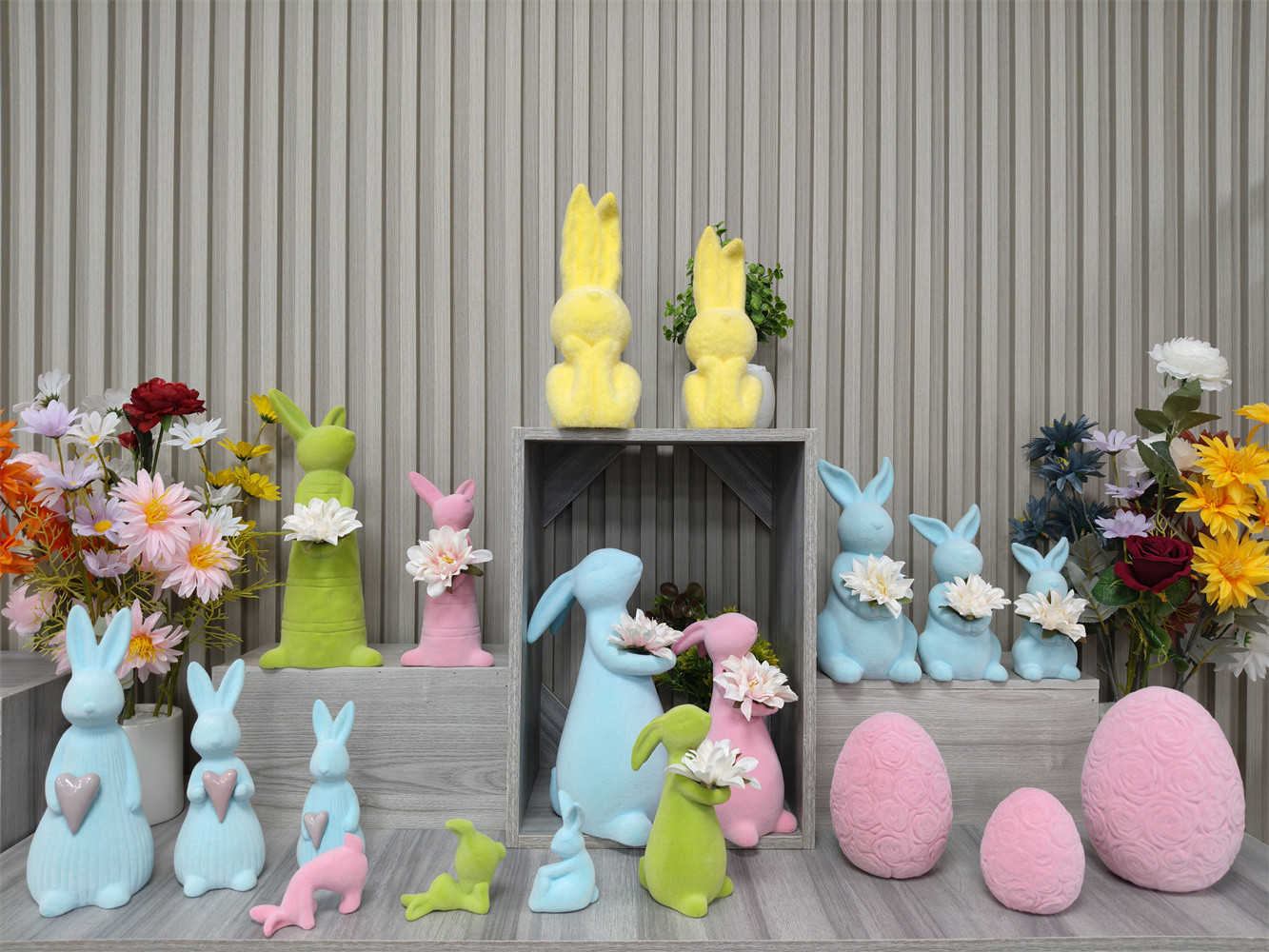
That’s why I source ceramic figurines wholesale. Not as “cute decor,” but as mini art: sculptural accents that deliver personality per square inch, photograph beautifully, and (for retailers and trade buyers) turn into an easy add-on sale.
Why 2026 is a “small-objects” year (not a big-furniture year)
The big theme I’m seeing across the industry is emotional design: more meaning, more warmth, more personality—less sterile “set dressing.” ASID’s 2026 Trends Outlook frames the year as defined by disruption and intersecting forces like trade, technology, climate, and workforce shifts—basically: clients want spaces that feel supportive, not just styled.
In plain terms: people are leaning into pieces that signal craft, story, and identity—exactly what figurines and handcrafted ceramics do best.
What the U.S. markets are shouting: playful ceramics are back
If you want proof that ceramics are being treated like a growth category again, watch the big U.S. sourcing shows. At Winter Las Vegas Market (Jan 25–29, 2026), organizers and trade press reported strong buyer engagement and order writing—buyers were there to buy, not just browse.
And brands are responding. Kalalou announced it would introduce 100+ new ceramics for Las Vegas Market—vibrant colors, exaggerated forms, playful silhouettes—made specifically to excite independent home and gift retailers.
That matters for B2B: when the market rewards “fun + collectible + display-ready,” figurines become a smart, low-footprint bet.
My designer “shelf kit” formula: figurines + vases + one hero color
Here’s how I spec small ceramics so they look premium (not cluttered), and so a buyer can merchandise them fast:
-
Ceramic figurine (the personality): 1–2 pieces per vignette
-
Ceramic flower vases (the height + calm): one tall, one small
-
Ceramic home accessories wholesale (the finisher): a tiny dish/tray/candleholder to “complete the scene”
Then I add one bold hero that changes the whole mood—often a Red Contemporary Vase.
Why red? Because deep reds/burgundy tones are having a real 2026 moment in interiors—multiple trend reports and designer surveys are pointing to the deeper end of the red spectrum as a standout color direction.
This mix is practical: the vases create structure, the figurines create story, and the red piece creates an “editorial” moment.
“Ceramic crafts wholesale” that actually sells: build series, not singles
The biggest mistake I see buyers make is ordering one-off figurines. Singles are risky. Series are profitable.
If you want figurines to move, you need collectible logic:
-
3–5 figurines in a tight theme (same glaze family, related shapes)
-
clear “set completion” energy (customers want the next one)
-
a seasonal micro-drop (so it feels fresh without bloating SKUs)
There’s real consumer research behind the “completion” dynamic of collecting—collectors are motivated by structure and progress toward completing sets, not just owning a random object.
That’s how ceramic figurines wholesale becomes repeat purchasing, not one-time impulse.
Handcrafted ceramic crafts: the premium buyers will pay for
Designers and customers can feel the difference between mass-generic and “made with intention.” Research on handmade cues and consumer engagement shows people often value “handmade” labeling and are willing to pay more compared with machine-made alternatives.
So yes—lean into handcrafted ceramic crafts. But do it with wholesale discipline:
-
consistent finish standards (what variation is acceptable vs. defect)
-
repeatable molds/details (no “softening” over production runs)
-
packaging engineered for the fragile points (hands, ears, thin edges)
That’s what separates pretty objects from a scalable ceramic crafts wholesale program.
TikTok trend radar: why figurines are the safest way to test “motifs”
TikTok is accelerating interior motifs faster than traditional retail calendars. ELLE Decor’s 2026 TikTok trend roundup called out “Cabbagecore”—cabbage/lettuce motifs spreading across tableware and ceramics—alongside nostalgia-driven styling like skirted furniture and “friction-maxxing” (more analog, tactile living).
For B2B buyers, this is the advantage of figurines: you can test a motif with low MOQ risk compared to betting big on larger decor categories.
What I look for in Wholesale Home Decor Suppliers
If you’re evaluating Wholesale Home Decor Suppliers for figurines + coordinated ceramics, steal my checklist:
-
Can they offer coordinated ceramic flower vases to match figurine glaze families?
-
Do they support “scene kits” (figurine + vase + small accessory) under ceramic home accessories wholesale?
-
Can they repeat best sellers predictably (not “one-and-done” production)?
-
Do they understand retail reality: breakage control, casepack logic, reorder speed?
Because the real goal isn’t “more SKUs.” It’s fewer decisions and faster sell-through.
Where Teruierdecor fits
Teruierdecor is strongest when you want ceramics merchandised as a system: figurine series that feel collectible, paired with matching vases and small accessories, built for consistent reorders and display-ready presentation. If you’re trying to win searches for ceramic figurines wholesale, that system thinking is what makes your assortment quotable, shoppable, and repeatable.
Leave a Reply