

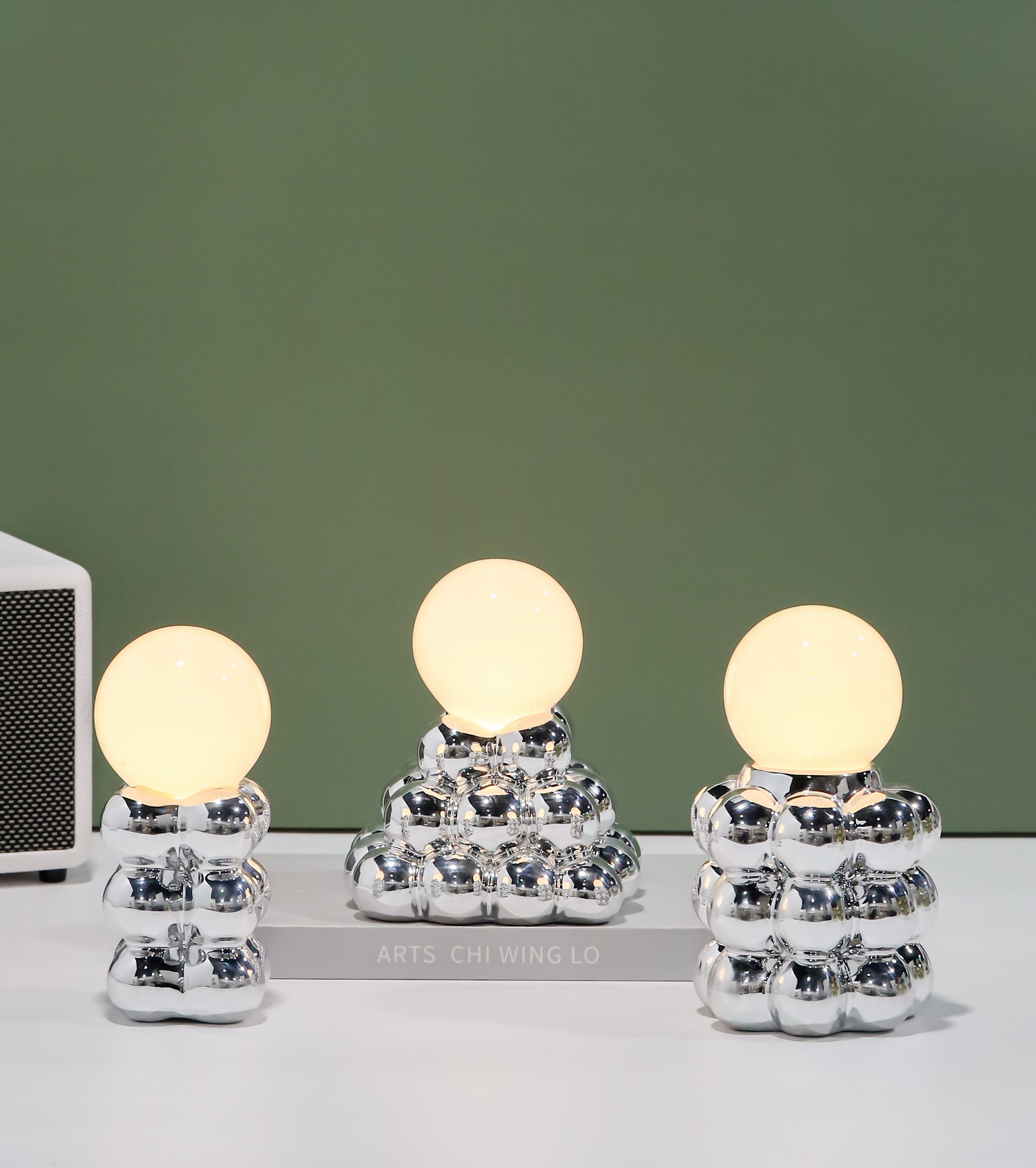
I Don’t Buy “Pretty Ceramics.” I Buy Reorders: How I Build a Wholesale Ceramic Home Decor Program That Actually Moves
The 2026 buyer shift: “calm + craft” is winning, but only if it ships and reorders
Here’s what I tell every ceramic vendor: the look is only half the job. A wholesale ceramic home decor program lives or dies on repeatability—finish consistency, defect control, and packaging discipline.
What’s pushing ceramics forward in 2026 is the same theme I keep hearing across the market circuit: wellness that’s felt, not shouted. Designers are calling it “invisible wellness”—spaces built around sensory comfort, natural materials, and calmer living. Ceramics fit that mood perfectly because they read as tactile, real, and collected.
What U.S. shows are telegraphing (and how I translate that into SKUs)
I don’t chase every micro-trend. I chase the signals that show up repeatedly across the big U.S. buying rooms:
-
High Point Market (Spring 2026: Apr 25–29) is explicitly programming science-backed design conversations—neuroaesthetics and biophilia—because retailers and designers are merchandising “feel-good homes,” not just “pretty rooms.”
-
Las Vegas Market (Winter 2026: Jan 25–29) matters because it’s where volume buying meets giftable lifestyle product—if a ceramic story can survive Vegas, it usually survives retail.
-
NY NOW (Winter 2026: Feb 1–3) is where “small luxury” and curated discovery show up—exactly the lane that pushes Contemporary Ceramic Art into mainstream retail shelves.
How I convert those signals into an assortment:
I buy one “hero” statement per story, then I buy the reorders: supporting pieces that sell every week. That’s how you turn Contemporary Ceramic Art into predictable wholesale ceramic home decor revenue.
The “handcrafted” advantage (why customers pay more—and why buyers reorder)
In consumer research on handicraft products, perceived value and acceptance are strongly tied to attributes customers read as authentic—materials, craft cues, and product meaning. That’s why handcrafted ceramic décor tends to hold margin better than generic décor, especially when it’s merchandised as a lifestyle story instead of a random object.
For buyers, that means one thing: craft is a selling feature, but only when the factory can standardize it. This is where “ceramic decoration wholesale” becomes a system, not a gamble.
The unsexy truth: ceramics don’t fail in style—they fail in defects
If you want ceramic decorative vases wholesale that reorders cleanly, you must control the defect drivers.
Academic and industry research is blunt: glaze defects like pinholes, crawling, and crazing are linked to firing behavior, gas release from the body, glaze viscosity/surface tension, and raw material/grain distribution. In other words: the sample can look perfect, and production can still fail if process control is loose.
My buyer checklist (the questions that decide “yes” or “no”):
-
What is your defect standard (pass vs reject) with photo examples?
-
How do you reduce pinholes (what changed in composition + firing profile)?
-
What’s your glaze color/texture tolerance range across batches?
-
Show me the packaging cross-section (rim + corner protection, inner box discipline).
If a vendor can’t answer these clearly, the program won’t survive reorder season.
A spring capsule that sells fast: Cherry Blossom Home Accent
Want a clean hook that buyers and consumers both understand? Build one seasonal story that still feels “year-round”:
Cherry Blossom Home Accent (Spring → Mother’s Day → Wedding season)
-
one soft blush / warm ivory glaze family
-
one sculptural silhouette that reads Contemporary Ceramic Art
-
one smaller add-on piece that turns browsers into buyers
This is the sweet spot where handcrafted ceramic décor feels special, but your reorder SKUs stay stable.
Where Teruier Factory Direct fits
Most factories can “make ceramics.” U.S. buyers need a factory that can repeat ceramics.
Teruier Factory Direct is compelling when it behaves like a buyer-facing system: design-to-manufacture coordination, documented QC checkpoints, and packaging engineered for real logistics—not just showroom photos. And when that system is rooted in a craft ecosystem, you get what buyers actually pay for: sample confidence → production confidence → reorder confidence.
The fastest way to start with Teruier:
Ask for a 6-piece evaluation kit: 3 sizes × 2 finishes, plus a one-page defect standard and packaging cross-section. If that passes, scaling a wholesale ceramic home decor program becomes straightforward.
Leave a Reply