

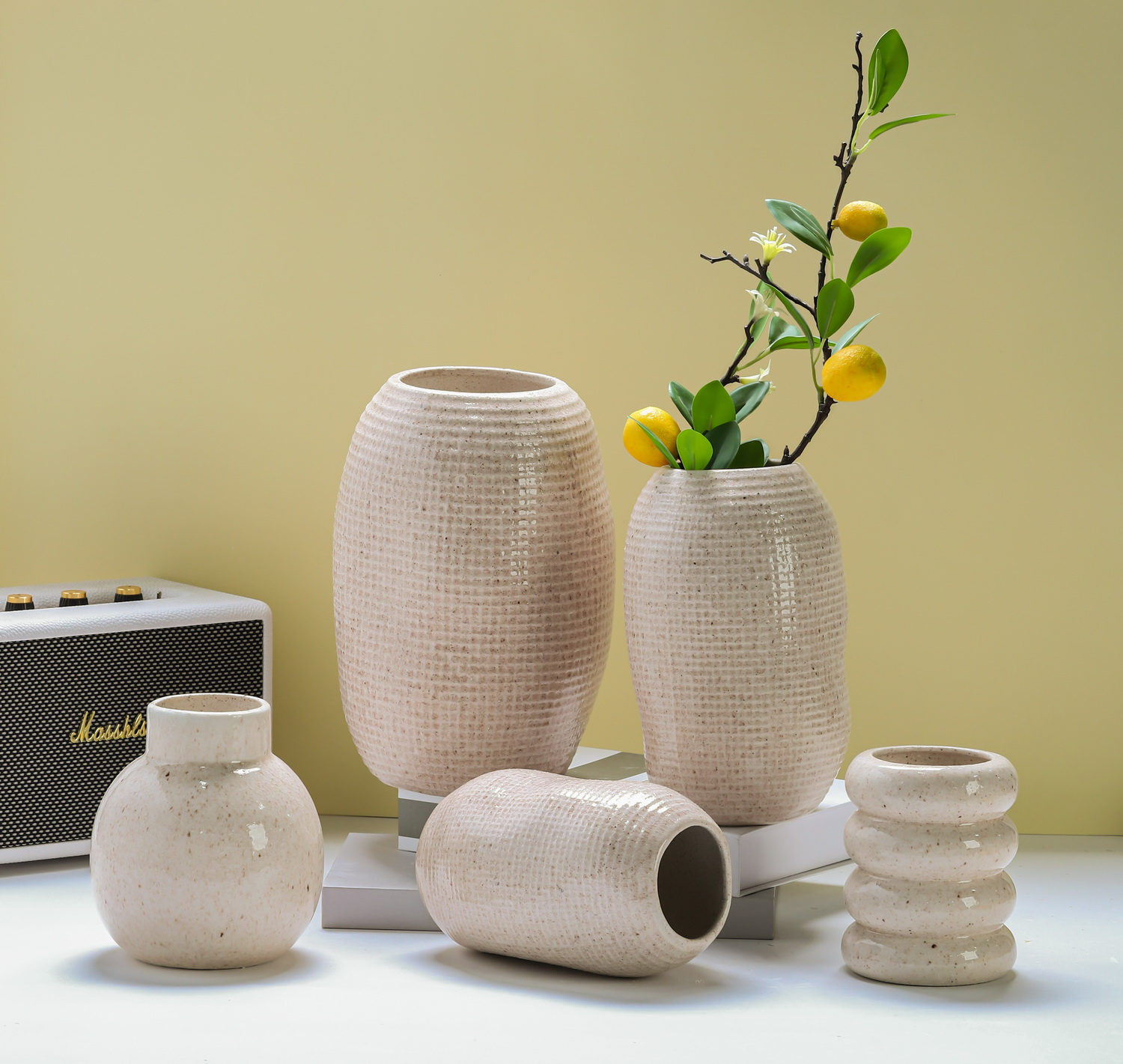
I Don’t Buy “Pretty Vases.” I Buy Reorders: The 2026 Wholesale Ceramic Home Decor Playbook
1) The 2026 shift: shoppers want “collected,” not “coordinated”
As a U.S. mall buyer, I’ve learned the hard way: ceramics don’t lose because the style is wrong. They lose because the assortment feels too “set-like,” too staged, too easy to copy.
Design editors and working designers are pushing buyers away from matchy décor and toward warmer, layered homes—more texture, more personality, more “collected over time.” That’s exactly why wholesale ceramic home decor is back in the center of real assortments.
2) Market reality check: High Point sets the mood, Vegas shows the buy-volume
Two signals I treat as my compass:
-
High Point Market Spring 2026 is Apr 25–29, 2026—that’s where the “what will retailers chase” mood crystallizes for the year.
-
Winter Las Vegas Market ran Jan 25–29, 2026—and when major brands bring big ceramic launches there, it’s a tell that retailers still believe in ceramic velocity.
If you’re a buyer searching Miami contemporary vase suppliers, you’re probably chasing contemporary, photo-friendly silhouettes (staging-ready, condo-ready, hospitality-ready). If you’re buying for broader U.S. retail, you need the same look—but with reorder stability.
3) The thing that quietly kills ceramic programs: defects, not design
If your program is built for bulk ceramic vases, the risk isn’t “will customers like it?” The risk is “will production behave like the sample?”
Ceramic manufacturing research is very clear about where surface problems come from: glaze/body interaction during firing, trapped gases, and process variables that show up as pinholes, crawling, crazing, or cracking.
A reorder-safe ceramic program is controlled by body + firing + glaze consistency—those three decide defect rate, return rate, and whether bulk buys are profitable.
4) My “fast sell” format: customizable size vases (built as a story)
If you want velocity, don’t pitch me 50 random shapes. Pitch me one story with customizable size vases:
-
1 tall hero vase (statement / entry console)
-
1 mid sculptural vase (tabletop)
-
1 small accent (add-on price point)
This structure makes your assortment work for retail and design buyers because it reads like a finished moment, not “one lonely vase.”
5) Don’t miss the easy margin: wholesale Christmas decor for retailers
Ceramics are a cheat code for Q4 because they can carry seasonal feeling without looking disposable.
A smart holiday capsule from a contemporary vase factory looks like:
-
deep red / winter white glaze options (same shape family, seasonal finish)
-
ceramic candleholders or mini vessels that merchandise near gifting
-
“holiday-ready but not dated” forms that can reorder into January (neutral glaze)
If your vendor can’t deliver a clean seasonal finish without glaze drift, they’re not ready for holiday volume.
6) Why Teruier works as a buyer short-list (Teruier factory China)
Here’s the honest buyer filter: I don’t care how many SKUs a factory can make. I care whether they can make the same SKU again.
That’s where Teruier factory China becomes relevant—if they operate like a system (sample standards, QC checkpoints, glaze tolerance ranges, packaging engineered for real shipping). For U.S. buyers, the best wholesale ceramic home decor partner is the one who treats ceramics like retail inventory, not studio art.
The 3 things I’d request from Teruier on day one:
-
A 12–18 SKU core family (3 sizes × 2–3 finishes) for bulk ceramic vases
-
A one-page defect standard (what passes vs rejects, with photos)
-
Packaging cross-section (rim + corner protection), built for reorder shipping
If you’re building your 2026 program, start with one size-family story + one holiday capsule. If the sample matches the production rules, scaling becomes easy—and your “wholesale ceramic home decor” page earns reorders, not just clicks.
Leave a Reply