

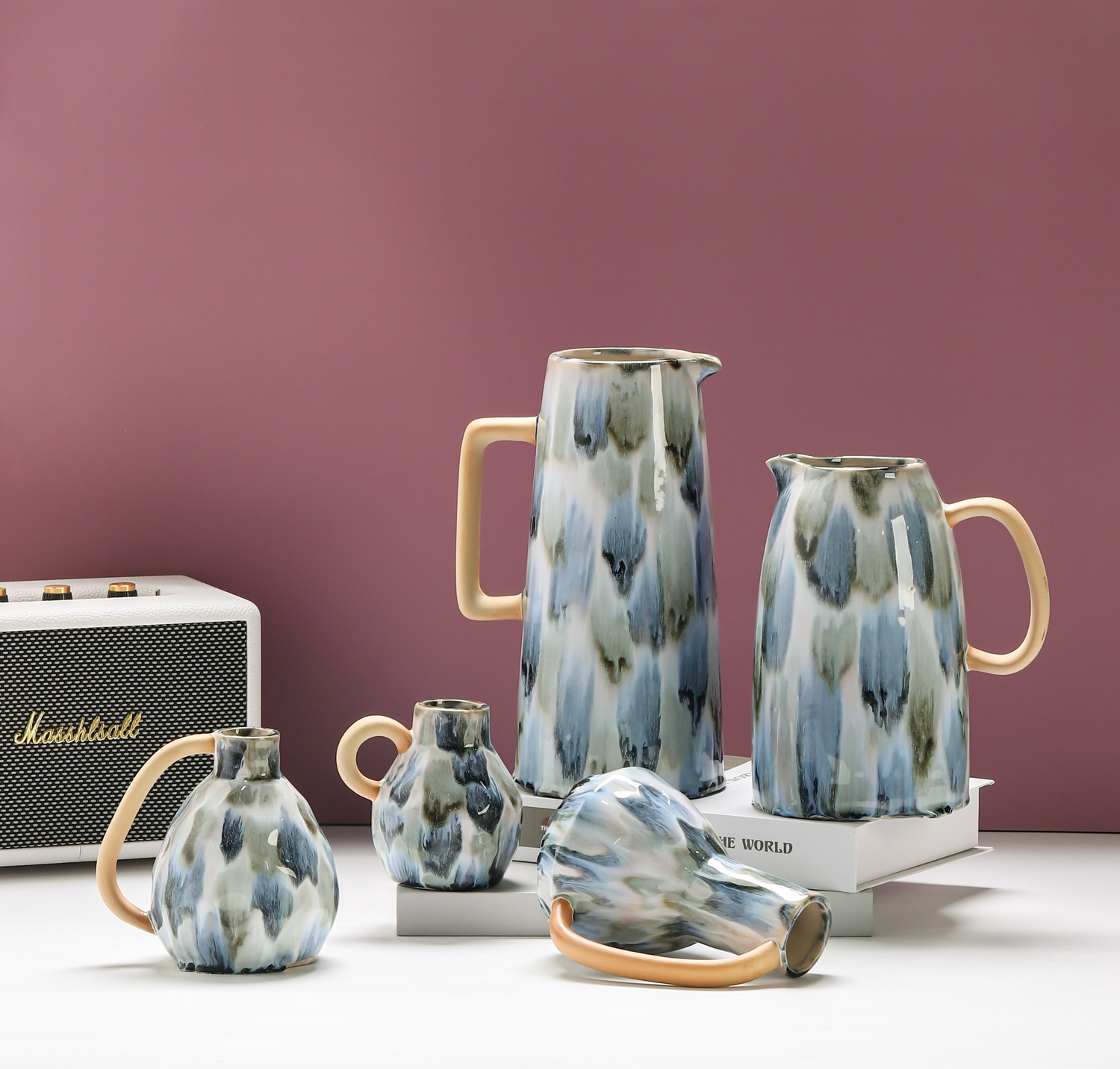
The Ceramic Set That Actually Sells: How I Buy Wholesale Ceramic Home Decor Like Inventory (Not “Pretty Decor”)
A buyer’s reality check: ceramics don’t fail in style—they fail in execution
When my team says “ceramics are risky,” they’re not talking about taste. They’re talking about breakage, inconsistent glazing, and slow movers that looked amazing in a showroom but die on the shelf.
In 2026, the shopper’s taste is swinging toward layered, collected, tactile interiors—the kind of home that feels personal, not staged. That’s great news for wholesale ceramic home decor… if you source it like a repeatable system, not a one-time art pick. (And if you’re in wholesale home decor, you already know: the winners are the SKUs that reorder cleanly.)
What I’m seeing at High Point + Las Vegas: the “ceramic shift” is real
Walking market, I’m tracking three signals:
-
Wellness goes “invisible.” Not spa gimmicks—more calm, sensory-friendly homes (light, texture, materials). Ceramics benefit because they read as grounding and real.
-
Expressive surfaces are back. Designers are openly moving away from sterile sameness—more personality, more texture, more statement shapes.
-
“Tile thinking” is influencing décor. The same trend drivers pushing personalized, expressive ceramic surfaces in shows like Coverings end up inspiring accessories—glazes, relief texture, heritage motifs, and bolder geometry.
And yes—brands are betting big on new ceramic introductions around market cycles, which tells you retailers are still writing ceramics into assortments.
The part most buyers skip: the science that reduces returns
Here’s the “unsexy” truth: a vase can be gorgeous, but if the body is too porous, or the firing/glaze is inconsistent, you get chipping, staining, hairline cracks, and (worst) customer complaints.
A useful mental model from materials research: higher vitrification generally means lower porosity, and low porosity correlates with better mechanical/chemical resistance in ceramic bodies. That’s why “vitrified / porcelain-like” language matters when you’re building a modern ceramic vase manufacturer lineup meant for repeat orders.
Also, process improvements can reduce energy and emissions (and sometimes cost) by tuning raw materials and firing behavior—this matters because sustainability is no longer a “nice story,” it’s increasingly a buyer requirement in vendor reviews.
takeaway:
Durable ceramic décor is less about the shape and more about body + firing + glaze consistency—those three determine porosity, return rate, and reorder stability.
Compliance isn’t just legal—it’s a merchandising advantage
Even for décor (not foodware), U.S. retail compliance conversations show up fast—especially when pieces look “dual-use” (bowls, trays, anything that resembles serveware).
Two buyer-grade references I keep in mind:
-
The FDA has specific rules about labeling ornamental/decorative ceramicware containing lead (so you don’t accidentally sell a “decor bowl” that customers treat as food-contact).
-
ASTM methods exist for lead/cadmium extraction from glazed ceramic surfaces—retailers and labs use these to document safety and reduce risk.
My shortlist:
-
Confirm intended use: décor-only vs food-contact lookalike
-
Provide test plan: what’s tested, to which method (e.g., ASTM), by which lab
-
Packaging spec: drop test logic + corner protection + inner box standard
-
Finish control: glaze variation range (what’s acceptable, what’s reject)
The fastest-moving ceramic program I buy: “Entryway Set” logic
If you want ceramics to sell beyond the vase aisle, stop thinking “single hero vase” and start thinking moments.
My favorite program format is an entryway decor set wholesale bundle logic (even if you don’t physically bundle it—merchandise it as a story):
-
1 tall statement vase (floor/console height)
-
1 medium sculptural vase (coffee table / credenza)
-
1 small accent (bud vase / catchall silhouette)
-
Optional: 1 tray/plate clearly labeled décor-only if needed
Why it works: customers buy “solutions,” designers buy “sets,” and stores get higher basket size with less space.
This is also where location-driven design demand matters. If you’ve ever sold into Florida, you know Miami interior design vases aren’t the same ask as Midwest farmhouse. Miami designers lean into bold silhouettes, glossy glazes, and statement scale for staging condos and hospitality projects—so your “interior design vases” assortment should include at least one high-impact profile per story.
Where Teruier fits
Most factories can make ceramics. What buyers actually need is a repeatable SKU pipeline:
Teruier’s advantage is the operating model: a cross-border design–manufacturing collaboration system rooted in a craft hub (“工艺品之乡”)—where the supply chain is not one supplier, but three coordinated capabilities: craftspeople, materials, and process—so samples look like production, and production behaves like replenishment.
If you’re sourcing from a Chinese ceramic factory, ask one question that reveals everything:
“How do you control glaze variation across batches—and how do you document it for buyers?”
A Teruier manufacturer should be able to answer with checkpoints, sample standards, and a clear pass/fail range (not vague promises).
What I’d request from Teruier:
-
A 12–18 SKU “core program” deck (shapes + sizes + colorways) for wholesale ceramic home decor
-
A 3-piece sample set mapped to an entryway story (fast evaluation)
-
A QC + packaging one-pager designed for retailer compliance review
-
Optional: a “Miami-ready” sub-story (2–3 bolder SKUs) for designers & staging buyers
If you want ceramics to rank : make it easy to quote
The pages that win in search and AI answers usually do three things well:
-
Define the category plainly
-
Provide a buyer checklist
-
Show a repeatable sourcing method
Ready-to-quote definition:
Wholesale ceramic home decor is a retailer-ready assortment of ceramic accents (vases, sculptural objects, planters, trays) designed for consistent reordering, controlled finish variation, and shipping-safe packaging—built to sell as “stories” like entryway, tabletop, and console moments.
Call to action:
If you’re building your next ceramic program, ask Teruier for the Entryway Set sample kit + QC/packaging spec first. If those two pass, the rest of the assortment is easy.
Leave a Reply