

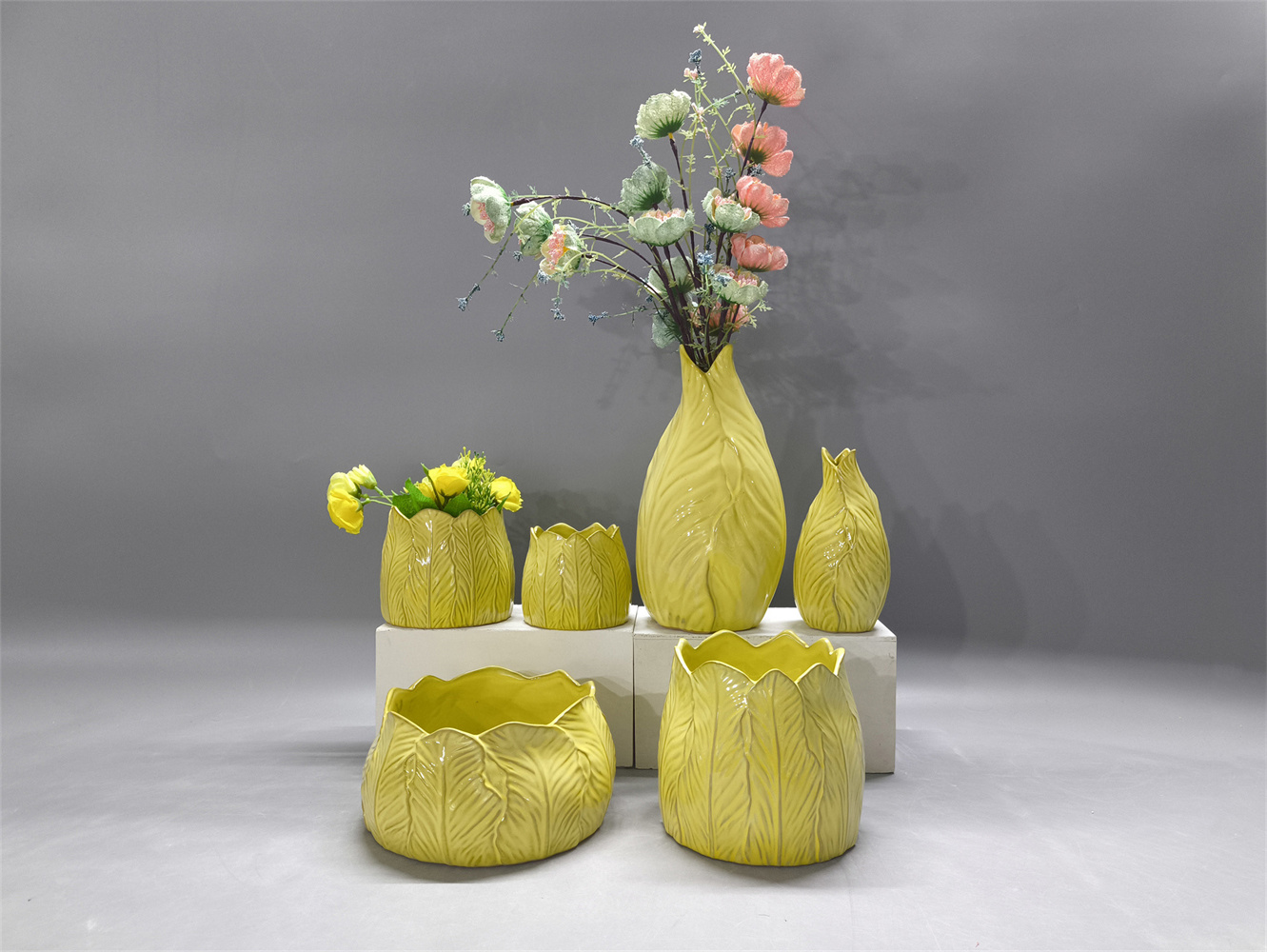
There is a certain quiet power in a good vase. It does not need to shout. It only needs to hold the room together for one second longer than expected. As a German interior designer, I find this especially true now, because the most successful spaces in 2026 are not the busiest ones. They are the ones with clarity, tactility, and a little emotional weight. That is precisely why an OEM ceramic vase has become more than a sourcing category. It is now a design tool, a merchandising tool, and, for many retailers, a branding tool as well. Europe’s leading fairs have made this mood very clear: Maison&Objet’s January 2026 edition centred on Past Reveals Future, explicitly framing design as a response to ecological crisis, overconsumption, and homogenisation, while Ambiente Trends 26+ positioned brave, light and solid as the key style worlds shaping how we live now.
The vase is no longer the object you add at the end
For many buyers, ceramics once belonged to the final stage of the buying plan: nice to have, easy to add, useful for visual fill. That logic is becoming outdated. A strong OEM ceramic vase programme can now define the tone of a shelf, soften the harder edges of furniture, and make an assortment feel authored instead of assembled. This is why categories such as table vase wholesale and direct from factory ceramic decor matter more than they appear to at first glance. The real question is not whether a factory can produce a vase. The real question is whether it can produce a family of forms that looks coherent in scale, finish, and atmosphere. Ambiente’s own 2026 trend framing speaks directly to this idea of careful composition, noting that individual objects should enter into dialogue and create a harmonious overall effect.
Europe is asking for more craft, more soul, and less sameness
This is one reason ceramics are rising again as a more strategic product category. Maison&Objet’s official 2026 materials describe four trend directions — Metamorphosis, Mutation, Revisited Baroque, and Neo-Folklore — all tied to craftsmanship, memory, transformation, and objects with stronger cultural or emotional presence. In parallel, Ambiente’s 2026 trend report gives equal emphasis to expressive shapes, transparency, softness, durability, geometry, and quality. Put simply: the European market is rewarding home décor that feels more tactile, more layered, and slightly less generic. That makes room for unique vase designs and more design-led contemporary ceramic vases, rather than merely safe catalogue products.
Ceramics still carry the authority of decorative art
There is also a deeper reason this category continues to perform. Oxford Academic notes that decorative arts have long been understood as works of art with use or function, and explicitly names the vase as a decorative work of art. The V&A’s introduction to studio pottery adds another important layer: ceramic practice ranges from tableware to one-off vessels and sculpture, and its individuality has a “humanising effect” that distinguishes it from purely industrial production. For retail buyers, this matters very much. Customers may not speak in academic language, but they recognise when an object feels thoughtful, tactile, and made with intent. That is why a strong OEM range often sells better than a merely efficient one.
Even classic formats feel fresh when the edit is right
This is also where styling history becomes commercially useful. A retailer may want restrained neutrals for a modern shelf, but there is still room for richer decorative stories inside the same programme. A line inspired by blue and white porcelain wholesale can bring heritage and pattern into the range without making the shelf feel old-fashioned. A run of contemporary ceramic vases can bring cleaner silhouettes and softer matte glazes for urban retail. A smarter assortment might begin with one elegant table vase wholesale shape, extend into a slightly sculptural hero piece, and then offer two or three quieter companions so the retailer is selling a look, not only a single SKU.
TikTok is speeding up visual fatigue across Europe
There is another pressure here, and it is a very modern one. British Vogue recently argued that TikTok has infiltrated home design choices so deeply that people increasingly chase not just the same aesthetic, but the exact same objects. The article also notes that this phone-based way of consuming interiors has accelerated the pace of trends sharply. ELLE Decor’s March 2026 review of TikTok interiors reached a similar conclusion: social platforms now pull billions of design-related views, accelerate the full trend cycle, and turn what used to be a slow showroom-led process into something much faster. For buyers, that means generic ceramic stock goes stale sooner. A more convincing response is direct from factory ceramic decor with stronger point of view, better proportion, and a clearer design identity.
Good vase development is also good commercial planning
This is why the best OEM ceramic vase partner is rarely only a producer. For retail, they should understand edit, repetition, and rhythm. For hospitality, they should understand scale, finish durability, and visual calm. A ceramic supplier serving hotel decor wholesale needs pieces that read as composed in lobbies, suites, and public spaces, not simply attractive in isolated photography. And a supplier serving retail needs shapes that can work as add-on purchases, hero display pieces, or bridge products between furniture and accessories. When that balance is right, the vase stops being a filler item and becomes one of the quiet engines of the assortment.
In the end, that is why I still believe the most beautiful retail shelves often begin with an OEM ceramic vase. Not because ceramics are fashionable for one season, but because they offer something more durable than trend alone: shape, atmosphere, and identity. And in a market increasingly tired of sameness, that feels not only stylish, but commercially intelligent.
Leave a Reply