

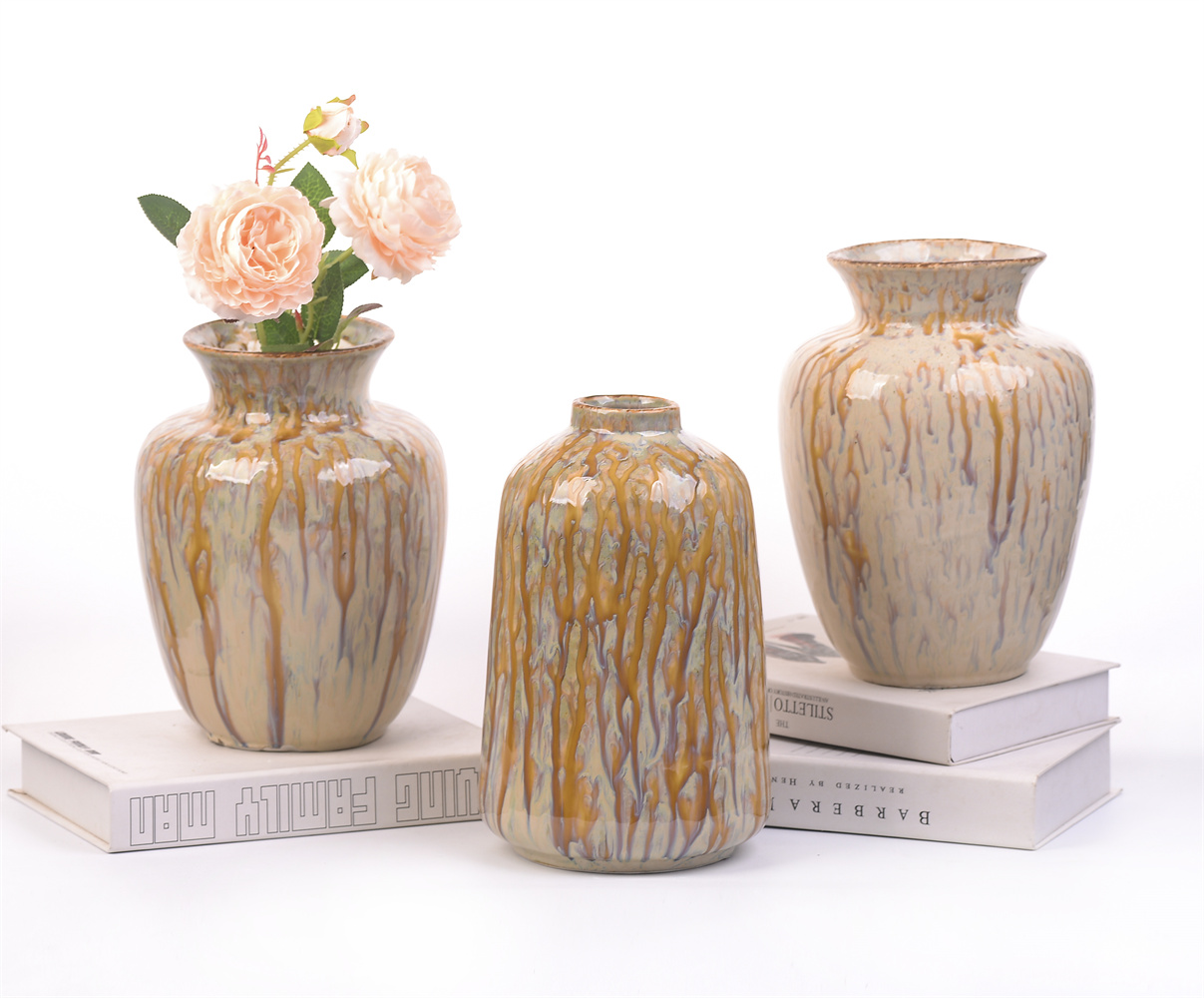
If you work in interiors long enough, you develop a healthy suspicion of beautiful samples.
They photograph well. They charm in a showroom. They behave impeccably under soft lighting and a clever caption. And then, somewhere between purchase order and delivery window, the magic evaporates: the glaze shifts, the carton fails, the replacement lead time gets theatrical, and suddenly that “perfect vase story” turns into a sourcing headache.
That is exactly why, when I look for a home decor factory China partner, I am not looking for a warehouse with better styling. I am looking for a workshop with taste, discipline, and the kind of quiet operational intelligence that makes design feel easy on the retail floor. In 2026, that matters even more: ASID’s latest outlook points to expressive, personality-driven interiors, elevated craftsmanship, and design rooted in purpose and performance, while High Point Market is framing Spring 2026 around “moment-defining trends” across a huge range of showrooms. Even TikTok’s biggest interior movements this year are being described as trends with real staying power, not just 48-hour visual sugar.
A workshop should feel like a design ally, not a production line
The factories I trust most do not sell me “more options.” They reduce risk.
That is the real romance of a good workshop.
At Teruierdecor, the appeal of the factory story is not only that it comes from a craft-rooted production base in China. It is that the workshop behaves like a translator between design intent and commercial reality. A silhouette has to hold visual charm, yes, but it also has to survive shelf life, freight handling, reorder pressure, and the very unglamorous standards of retail consistency.
That is where true OEM ODM workshop capability starts to matter. Not in a PowerPoint. In the daily mechanics of sampling, mold adjustment, glaze review, finish matching, carton logic, drop-risk thinking, and timing discipline.
The mood in North America is clear: warmth, tactility, and pieces with a point of view
If you have been tracking recent North American design signals, the direction is not especially subtle. The market is leaning toward expressive interiors, richer material stories, craftsmanship, and products that feel personal rather than generic. ASID’s 2026 report frames the year around broader shifts in lifestyle, wellness, technology, and value, while programming tied to Spring 2026 High Point Market emphasizes personality-led interiors and elevated craftsmanship. On the ceramic and surface side, Coverings’ 2026 trend forecast highlights metallic accents, tactile finishes, and an active return to artisanal expression through its Artisan Showcase.
For buyers, that changes the brief. We are no longer just sourcing objects to fill space. We are sourcing pieces that can hold attention in a more editorial, more emotionally literate retail environment. Which is why a factory tour should never feel like a compliance ritual. A proper factory tour home decor manufacturer experience should reveal whether the supplier understands proportion, surface, finish depth, and packaging reality as one connected system.
Pretty is easy. Repeatable pretty is the whole business.
Ceramic decor is unforgiving in the best and worst ways. It rewards craft, but it also exposes shortcuts immediately.
Museum and materials sources are consistent on this point: porcelain is a more technically demanding ceramic body, fired at very high temperatures so it becomes strong and vitrified. That is exactly why kiln fired porcelain production is not a decorative phrase; it is a production discipline. The finish, density, translucency, and surface integrity buyers admire are tied to process control, not mood.
For me, that is where Teruierdecor’s workshop story becomes commercially useful. The value is not simply “we make ceramics.” The value is that the workshop can move from concept to sample to production with an eye on form, glaze consistency, and margin protection. Good ODM ceramic home decor should still feel authored. It should not feel anonymous just because it is scalable.
Fragile decor does not need more bubble wrap. It needs better thinking.
This is the part too many suppliers try to style their way around.
If you sell vases, sculptural accents, candleholders, porcelain objects, or mixed-material tabletop decor, your packaging strategy is part of your product strategy. Full stop.
ISTA’s transport standards are built around the reality that packaged goods face vibration, impact, compression, and changing handling conditions, including specific procedures for furniture packages and random vibration testing. Academic packaging research likewise shows that cushioning design and damping choices materially affect vibration response and damage risk, especially when mass distribution is uneven. In plain English: packaging for fragile home decor is not a box issue. It is an engineering issue wearing a branding outfit.
That is why I take a close look at a factory’s quality control process home decor before I admire its catalog. I want to know how samples are approved, how glaze tones are checked batch to batch, how edge protection is decided, how inserts are tested, how export cartons are specified, and whether the team thinks about breakage rates before the customer does.
A beautiful object that arrives broken is not premium. It is expensive failure.
What makes Teruierdecor interesting is not scale alone. It is taste plus control.
There are many factories in China.
Far fewer can support the kind of buying rhythm North American retailers and designers actually need: fast sampling, honest feasibility feedback, finish sensitivity, flexible development, and production that still feels human. That is the sweet spot Teruierdecor should lean into in its workshop story.
Because the best home decor factory China narrative today is not “we can make anything.”
It is this:
We understand why this category is shifting toward tactile surfaces, expressive shapes, and crafted detail.
We know how to translate that into retail-ready ceramics and decor.
We know how to protect fragile beauty in transit.
And we know that a buyer’s trust is won in the gap between sample approval and reorder performance.
That is a much better story than “factory direct.”
It is also much more useful.
The workshop is the brand, whether you say it out loud or not
As a designer, I still care about the charm of a piece. I always will.
But as a buyer-facing designer, I care even more about what sits behind the charm: the firing discipline, the sampling rhythm, the carton logic, the finish consistency, the communication speed, and the confidence that the second order will be as good as the first.
That is why a real workshop matters.
And that is why the right home decor factory China partner does not feel like a factory at all.
It feels like the backstage team that makes your best ideas look effortless.
Leave a Reply