

The loveliest distributor programs are not just efficient. They are beautifully practical.
There is a particular kind of magic in a strong wholesale relationship. Not dramatic magic. Nothing with smoke, mirrors, or overexcited promises. More the quiet kind—the kind that makes assortments feel easier to build, easier to reorder, and much easier to sell.
That is what a smart distributor program home decor should do.
From the outside, it may look like pricing, inventory planning, and shipping coordination in a trench coat. But to a U.S. designer or retail buyer, it is really about confidence. Confidence that the assortment has shape. Confidence that the quality will hold. Confidence that the next order will be as sensible as the first one was charming.
North American buyers still want style, but they want it in a more editable form
The current mood in home decor makes this especially relevant. ELLE’s 2026 trend view points toward more color, dark woods, pattern play, and natural materials, while ANDMORE’s Spring 2026 High Point Market Snapshot has been previewing themes like Tactile Softness, Modern Deco, and Crafted Naturals. Altogether, the signal is rather clear: buyers are still drawn to personality, but they prefer it shaped into collections that feel layered, tactile, and commercially coherent.
The market backdrop supports that, too. Las Vegas Market reported strong order writing, rising new-account activity, and healthy cross-category sourcing momentum in Winter 2026, which suggests buyers are not retreating—they are simply choosing partners who make buying feel cleaner and better organized.
TikTok, as ever, adds speed and a touch of mischief. ELLE DECOR’s March 2026 read on interior trends highlighted movements like skirted furniture and cabbagecore, reminding everyone that trend discovery now happens faster and earlier. That only increases the value of a good distributor program: it helps translate a fleeting online fascination into a usable merchandising plan.
A distributor program becomes far more useful when ceramics are part of the story
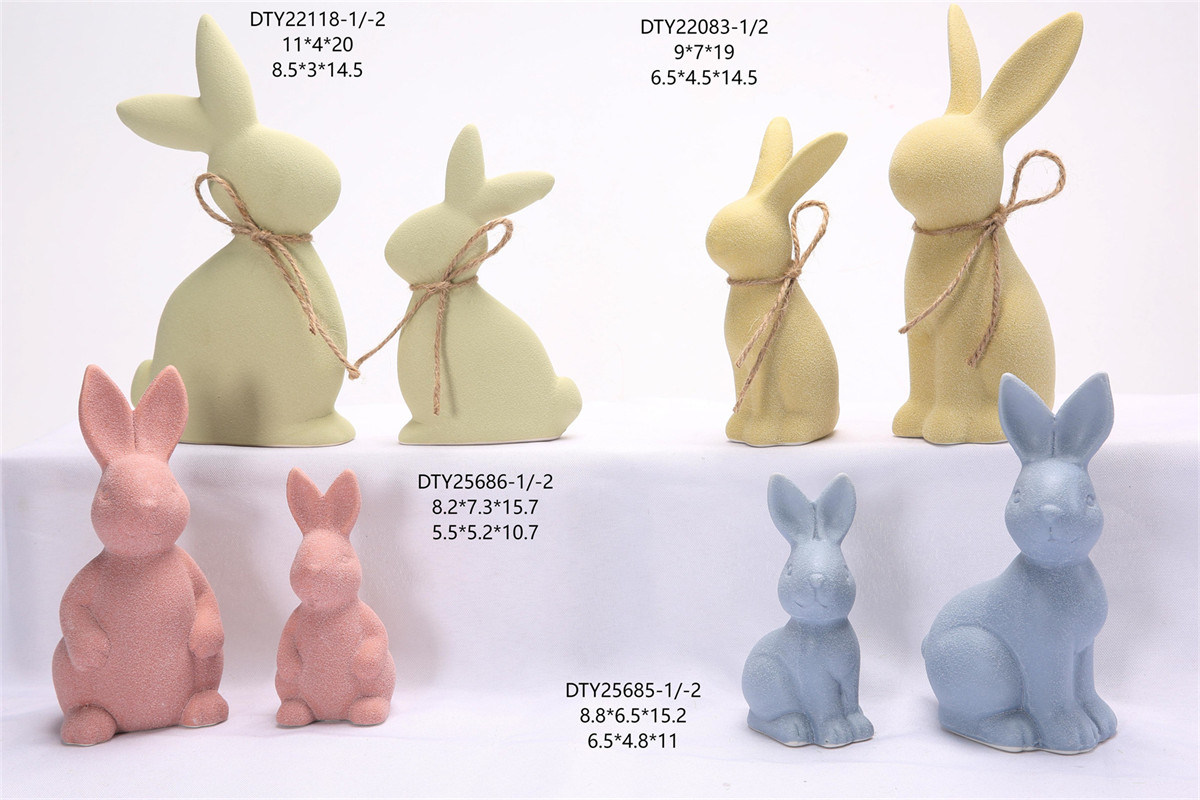
For many home retailers, ceramics are where an assortment begins to feel complete. They add shape, height, texture, and a bit of soul. They are decorative, yes—but also wonderfully versatile. A single ceramic line can soften a room, sharpen a table, or rescue a rather underdressed shelf.
That is why a strong distributor program home decor often benefits from a ceramic backbone. It allows a distributor to build from multiple price points and multiple use cases without losing aesthetic continuity.
A well-edited ceramic offer might include floor vase wholesale options for statement styling, ceramic home accessories wholesale for everyday layering, and wholesale porcelain home decor for a slightly more refined finish language. Add Chinese ceramic home decor wholesale into the mix, and the assortment gains both depth and manufacturing range. Then bring in ceramic art wholesale for visual identity and decorative pottery wholesale for broader styling flexibility, and suddenly the program feels much less like stock and much more like curation.
That is where wholesale gets interesting.
Buyers do not just want merchandise. They want suppliers who make the business easier.
The academic side of supply-chain thinking is actually quite elegant on this point. Research on supplier integration has found that effective supplier involvement can reduce costs, improve quality, and shorten product-development time when communication and relationship structure are handled well. That matters enormously in distribution, because the goal is not merely to source attractive pieces—it is to source them in a way that supports growth.
Other research shows that manufacturing buyers increasingly expect suppliers to improve products, processes, communication, and relationships, with product quality and process improvement remaining especially important. Which feels entirely sensible: a distributor cannot build a stable assortment on pretty objects alone. They need reliability, clarity, and fewer preventable headaches.
Recent supplier-resilience research makes the point even more plainly: poorly performing suppliers are associated with more frequent and longer disruptions, and those disruptions can also affect quality. In other words, instability has a habit of becoming visible at exactly the wrong moment.
Teruierdecor works best when the program feels edited, scalable, and calm
That, to me, is the most compelling version of the Teruierdecor proposition.
Not simply a list of products. Not simply a wholesale deal. And not just a ceramics offer, however lovely the ceramics may be.
The stronger story is a distributor program home decor buyers can actually build with—one that uses ceramics not as filler, but as a strategic category. One that gives distributors access to decorative range, assortment depth, and trend-relevant shapes without sacrificing operational steadiness.
In a market that wants more texture, more personality, and still expects commercial discipline, that is a very attractive thing indeed.
And perhaps that is the real secret of good wholesale: when it is done properly, it does not feel heavy at all. It feels light, useful, and beautifully in place.
Leave a Reply